
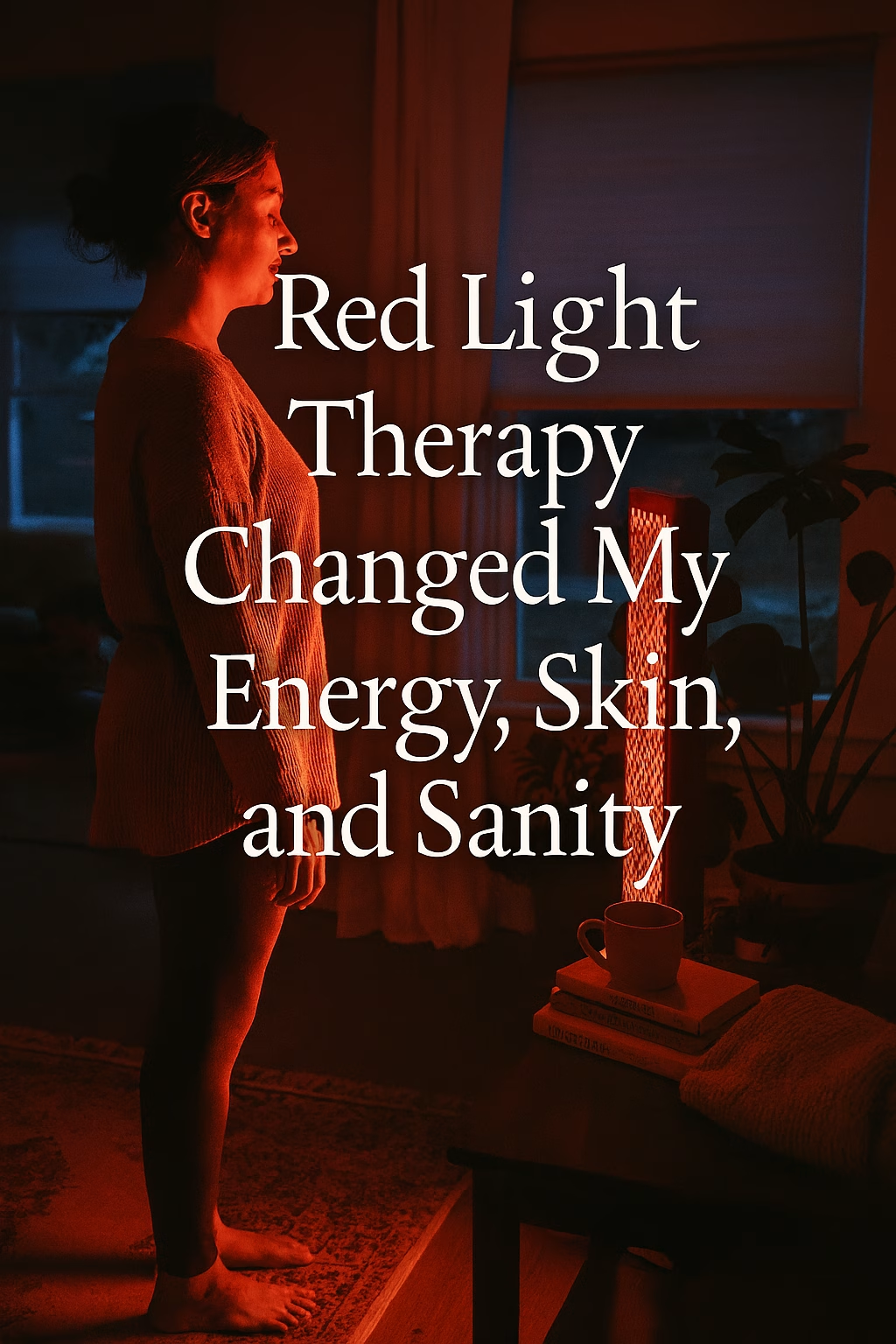
Why I Stand in Front of a Red Light Like a Houseplant (And Why You Might Want To) Let’s get one thing straight: I’m not here to sell you on another wellness gadget that promises to fix your life while quietly collecting dust next to your mushroom-shaped diffuser and that one unopened bag of chia seeds. Nope. I’m here to tell you why I—an emotionally attuned, slightly crunchy, occasionally overwhelmed homeschool mama—stand in front of a glowing red light panel like it’s my job. Because it kind of is. So… What’s the Deal with Red Light? If you’ve ever Googled “why am I tired even though I slept?” or “how to feel like a human again,” you’ve probably stumbled across red light therapy. Specifically, I use a Mito Red Light, and let me tell you—it’s not just hype. It’s like sunshine’s emotionally intelligent cousin who doesn’t burn you or judge your vitamin D levels. And as someone who lives in North Dakota, where winter sometimes feels like a six-month-long emotional test, this red light has become my secret weapon. It’s my gentle savior for coping with the winter blues—especially when the sun clocks out at 4:30 p.m. and my motivation follows. While I’m not a medical professional, I can say this: red light therapy helps me feel brighter, calmer, and more like myself when the days get shorter and darker. But let’s skip the science-y jargon and get to the good stuff. The Real-Life Benefits of Using a Mito Red Light (That I Actually Notice) 1. My Energy Feels… Real Again Not manic. Not caffeine-fueled. Just that grounded, “I can do this” kind of energy that makes folding laundry feel slightly less tragic. Red light therapy supports mitochondrial function (aka your body’s energy factories), and yes—I feel the difference. 2. My Skin Is Less Angry I’m not chasing flawless skin. I’m chasing calm. And this red light? It’s like a weighted blanket for my face. It supports collagen production and reduces inflammation, which means fewer flare-ups and more “I woke up like this” moments. 3. Mood Magic I don’t know if it’s the ritual, the warmth, or the way it makes me pause—but my mood lifts. Like, noticeably. Especially in winter. Red light therapy has become part of my emotional regulation toolkit, right next to magnesium and not answering emails after 8 p.m. Before You Try: Is Red Light Therapy Right for You? Red light therapy might be your next gentle upgrade if: You feel tired even after a full night’s sleep Your skin throws tantrums when stressed You crave rituals that feel grounding, not overwhelming You want something that works quietly in the background You’re building a wellness toolkit that supports—not overstimulates You’re bracing for winter and want something that helps you feel lit from within My Gentle Wellness Toolkit (That Actually Helps) I’m not into wellness that feels like punishment. These are the tools I reach for when I want to feel better without needing a spreadsheet: Mito Red Light – my daily dose of glow and calm Magnesium glycinate – for sleep, mood, and muscle tension Herbal teas – especially lemon balm, tulsi, and rooibos Sensory-friendly weighted blanket – for regulation and rest Nature walks – even if it’s just to the mailbox Essential oils – but only the ones that don’t make my kids gag Gentle movement – like the ones I share in Gentle Exercise Ideas That Help Families Focus and Regulate These aren’t just products—they’re rituals. And they’ve helped me build a rhythm that feels like me again, especially when the seasons shift and my nervous system needs extra care. But Is It Worth It? Let me put it this way: I’ve bought a lot of wellness things. Some worked. Some were… aspirational. But this red light? This is the one I keep coming back to. Because it helps me feel like me—the grounded, glowy version who remembers her supplements and doesn’t cry over spilled oat milk. You Might Also Like… If this post made you exhale, you’ll love these gentle reads: How to Teach Fall Gently The Autumn Pause: Why Slowing Down Is the Best Thing You’ll Do This Season The Gentle Reset: How to Recalibrate When You’ve Lost Your Spark Fall Rituals for Sensitive Souls: How to Feel Good The Sleep Hack I Never Saw Coming in a Space Toy How to Feel Good Again—Without Changing Your Whole Life The Emotionally Safe Way to Dream Big—Without Self-Sabotage How to Recover When the Day Starts in Meltdown Mode Homeschool Mom Self-Care That Actually Works Feeling Burned Out? A Survival Guide for Overstimulated Moms Final Thoughts (and a Gentle Nudge) If you’re curious, tired, inflamed, or just craving a wellness ritual that doesn’t feel like punishment, red light therapy might be your next gentle upgrade. And if you’re anything like me, you’ll appreciate that it works quietly in the background—no drama, no detox symptoms, just light. Want to peek at the exact one I use? I’ve linked it here at Mito Red Light (affiliate, because mama’s gotta fund her herbal tea habit). ✨ Mama Reset Rituals Want more rituals that actually help? I’ve gathered my favorite gentle tools in one cozy place—from red light therapy to magnesium, teas, and sensory supports. Explore the Mama Reset Rituals shelf and build your own feel-good rhythm.

How to Teach Fall Gently
Gentle Fall Learning: Nature Walks, Leaf Math & Cozy Storytime Teach fall through movement, curiosity, and emotional connection—with tools that support, not overwhelm. Fall isn’t just a season—it’s a curriculum.It’s crunchy leaves, breezy moods, and the kind of wonder that makes a child stop mid-step and whisper, “This leaf looks like fire.” If you’re homeschooling sensitive kids (or just trying to survive the seasonal shift with your sanity intact), this post is packed with gentle, sensory-rich ways to teach fall without forcing it. Plus, I’ve tucked in a few affiliate picks that support the flow—no pressure, just cozy tools that actually help. Nature Walks That Invite Wonder We don’t do “unit studies.” We teach fall by following the leaves. Try this: Ask your child to find a leaf that matches their mood Use a “feelings forecast” chart with leaf metaphors (breezy, crunchy, golden) Bring a soft backpack and a nature journal with thick pages that don’t fight back Let them collect, sort, and sketch—no agenda, just noticing Supportive pick: Amazon’s Sensory-friendly backpack – soft straps, no scratchy seams, and a fidget built right into it For more ways to teach emotional literacy while you teach fall, read: How to Use Fall Sensory Metaphors to Teach Emotional Literacy Why Leaves Change Color: A Mystery Science Moment We used this Mystery Science lesson to teach fall science—and it was so fun. The mini-lesson explains how trees prepare for winter by stopping the production of chlorophyll (the green pigment), which reveals the yellows, oranges, and reds that were hiding underneath all along.Cue the metaphor: Even trees have layers. We paired it with crayon rubbings, leaf sorting, and a “community tree” mural. It was science, art, and emotional connection all rolled into one crunchy afternoon. Supportive pick: Pandia Press’s REAL Science Odyssey – gentle, nature-based science that complements outdoor learning For more ways to teach fall through curiosity and connection, try: Surprise Science: What Happens When You Skip the Curriculum but Not Curiosity Leaf Math That Feels Like Play Teach fall math without the tears.It doesn’t have to be loud or linear—it can be quiet, crunchy, and full of patterns. Ideas to try: Sort leaves by size, color, or edge shape Create repeating patterns with acorns and pinecones Estimate how many leaves fit in a mitten (then test it!) Graph how many red vs. yellow leaves you find on your walk Supportive pick: All About Learning Press – hands-on literacy and math that doesn’t overwhelm For more gentle rhythm ideas to help you teach fall with ease, read: How to Build a Gentle Homeschool Rhythm This Fall (That Actually Works) This Is What Learning Really Looks Like (And Why It’s Enough) Cozy Storytime That Builds Emotional Literacy Teach fall feelings through storytime.Let’s name them, hold them, and read about them in soft socks. Try this: Read under a blanket with warm drinks and dim lights Use leaf metaphors to talk about emotions (“This one feels crunchy like my morning”) Pair stories with drawing or movement—let the story live in their body Supportive picks: Honest History – stories that build empathy and curiosity Tea Time Together – emotional literacy through ritual For more cozy rituals to teach fall with warmth and regulation, read: Fall Rituals for Sensitive Souls: How to Feel Good The Gentle Reset: How to Recalibrate When You’ve Lost Your Spark Turn Tea Time into a Weekly Ritual of Beauty: Art, Poetry & Music Made Simple Sensory-Friendly Tools That Support the Whole Flow Sometimes the best way to teach fall is to pause and regulate. Try this: Create a cozy corner with layered textures and soft lighting Use gentle movement breaks to reset before transitions Keep a few regulating tools nearby—just in case Supportive picks: Mama Reset Rituals shelf – tools for moms modeling regulation Layered Texture: Sensory-Friendly Workspace Essentials – for learning spaces that soothe Training Aliens – social skills that feel like play, not pressure For more ways to teach fall with emotional safety and sensory support, read: How to Help Sensitive Kids Learn: 7 Brain-Based Shifts for Focus, Regulation, and Healing Sensitive Kids Aren’t Broken—These DNA Markers Helped Me See Why That Toy Isn’t a Distraction. It’s a Sensory Survival Tool Final Thought To teach fall well, you don’t need a perfect plan.You need presence.You need softness.You need socks and snacks and sacred work. So go outside. Count leaves. Ask questions.And if all else fails—make tea and call it science. For more gentle encouragement as you teach fall with heart, explore: The Autumn Pause: Why Slowing Down Is the Best Thing You’ll Do This Season How to Feel Good Again—Without Changing Your Whole Life You’re More Than a To-Do List: Join the 30-Day Ritual Reset for Moms Who Need a Minute
The Autumn Pause: Why Slowing Down Is the Best Thing You’ll Do This Season
The Autumn Pause: How to Let Yourself Slow Down Without Guilt Because rest isn’t laziness—it’s leadership in loungewear. Let’s just say it:If you’ve ever felt guilty for sitting down while the laundry stares at you like it’s personally disappointed… you’re not alone. We live in a culture that glorifies hustle, multitasking, and productivity spreadsheets color-coded by urgency. But autumn?Autumn whispers something different. It says: “Let it fall. Let it soften. Let it wait.” And if you’re ready to listen, this post is your permission slip to take an autumn pause—without guilt, without shame, and definitely without folding that fitted sheet perfectly. Why Autumn Is the Season of Slowing Down Nature doesn’t rush.Trees don’t apologize for shedding what no longer serves them.They drop their leaves, stand still, and trust the process. Autumn is a built-in invitation to recalibrate.To shift from doing to digesting.To trade urgency for softness, and chaos for clarity. And when we align with this seasonal rhythm, we don’t fall behind—we fall into ourselves. This is the essence of the autumn pause—a gentle, seasonal reset that honors your nervous system and your humanity. If you’re craving a deeper emotional reset, The Gentle Reset: How to Recalibrate When You’ve Lost Your Spark offers a soft, healing-centered way to come back to yourself. What Slowing Down Actually Looks Like (Hint: It’s Not Just Bubble Baths) Slowing down isn’t about quitting your life.It’s about creating space inside it. It might look like: Saying “not today” to one more commitment Wearing soft pants that don’t judge you Reading a book that doesn’t teach you anything except how to breathe again Sitting in silence long enough to hear your own thoughts (and not immediately fix them) It’s not laziness. It’s nervous system stewardship.It’s the autumn pause in action. If you’re homeschooling through this season, How to Build a Gentle Homeschool Rhythm This Fall (That Actually Works) offers practical ways to align your teaching with your energy. Cozy Tools for Slowing Down (Without Guilt or Guesswork) These are my go-to companions when I need to embrace the autumn pause without spiraling into productivity shame: Soft Loungewear That Feels Like a Hug Amazon Essentials Fleece Joggers – because jeans are for people who haven’t met burnout Modal Lounge Set – breathable, stretchy, and emotionally supportive Chunky Knit Cardigan – for layering warmth and wisdom Cozy Slipper Socks – sensory-friendly and meltdown-resistant The Soft Fall Capsule – curated layers that regulate, not irritate Calming Books That Don’t Demand Anything From You Wintering by Katherine May – a poetic guide to seasonal rest The Comfort Book by Matt Haig – short, soothing reflections for tired brains Big Magic by Elizabeth Gilbert – for when you want creativity without pressure The Ruthless Elimination of Hurry – because slowing down is spiritual, too Sensory Tools That Support the Autumn Pause Fun and Function – sensory tools for regulation and focus Mito Red Light – gentle energy for foggy mornings Magic Hour Tea – blends that soothe without sedate Art of Tea – for Tea Time Together rituals that restore Mama Reset Rituals Shelf – for moms modeling emotional regulation Layered Texture Workspace Essentials – create a cozy, emotionally safe learning space Staples for a Low-Tox Home – because emotional safety starts with what surrounds us But What About the Guilt? Ah yes, the guilt gremlin.It shows up with phrases like: “You should be doing more.” “Other moms don’t rest.” “You’re wasting time.” Here’s the truth:Guilt is often a leftover script from a life that didn’t honor your nervous system.It’s not your fault—but it is your opportunity. Try this reframe: “Rest isn’t what I earn after I’ve done enough. It’s what I need to be enough.” You don’t have to prove your worth through exhaustion.You can model regulation, softness, and self-trust—for your kids, your community, and yourself. This is the deeper work of the autumn pause—rewriting the story that says rest is weakness. If this hits home, Feeling Burned Out? A Survival Guide for Overstimulated Moms might be the next post to read. Pause Prompt: What Would It Feel Like to Stop? Before you scroll on, take 30 seconds.What would it feel like to pause right now?Not forever. Just for a moment.What would soften? What would stay? This is your autumn pause in miniature.You don’t need a printable tracker or a perfect plan.You just need permission—and maybe a soft cardigan. What You Might Notice After a Few Days of Softening Less reactivity More clarity Fewer “why am I crying in the pantry” moments A quiet return to your own rhythm A deeper connection with your kids, because you’re not rushing past their feelings Want to explore how sensory metaphors can help kids name their emotions too? How to Use Fall Sensory Metaphors to Teach Emotional Literacy is a beautiful next step. Related Posts That Support Your Autumn Pause Comfortable Fall Capsule Wardrobe: Easy Outfits That Actually Feel Good Fall Rituals for Sensitive Souls: How to Feel Good Gentle Exercise Ideas That Help Families Focus and Regulate How to Teach Through Tears: Calming Tools for Overwhelmed Homeschool Days How to Feel Good Again—Without Changing Your Whole Life You’re More Than a To-Do List: Join the 30-Day Ritual Reset for Moms Who Need a Minute How to Create a Sensory-Friendly Workspace That Honors Your Brilliance The Sleep Hack I Never Saw Coming in a Space Toy How to Be Seen Without Feeling Exposed: Branding for Sensitive Moms and Creators Final Thought: You Don’t Have to Earn Your Pause Autumn doesn’t ask permission to slow down.It just does. So, this season, let yourself soften.Let yourself shed what’s heavy.Let yourself rest—not because you’ve earned it, but because you exist. And if anyone asks why you’re curled up in fleece joggers reading poetry instead of alphabetizing your pantry? Just say: “I’m practicing leadership in loungewear.”
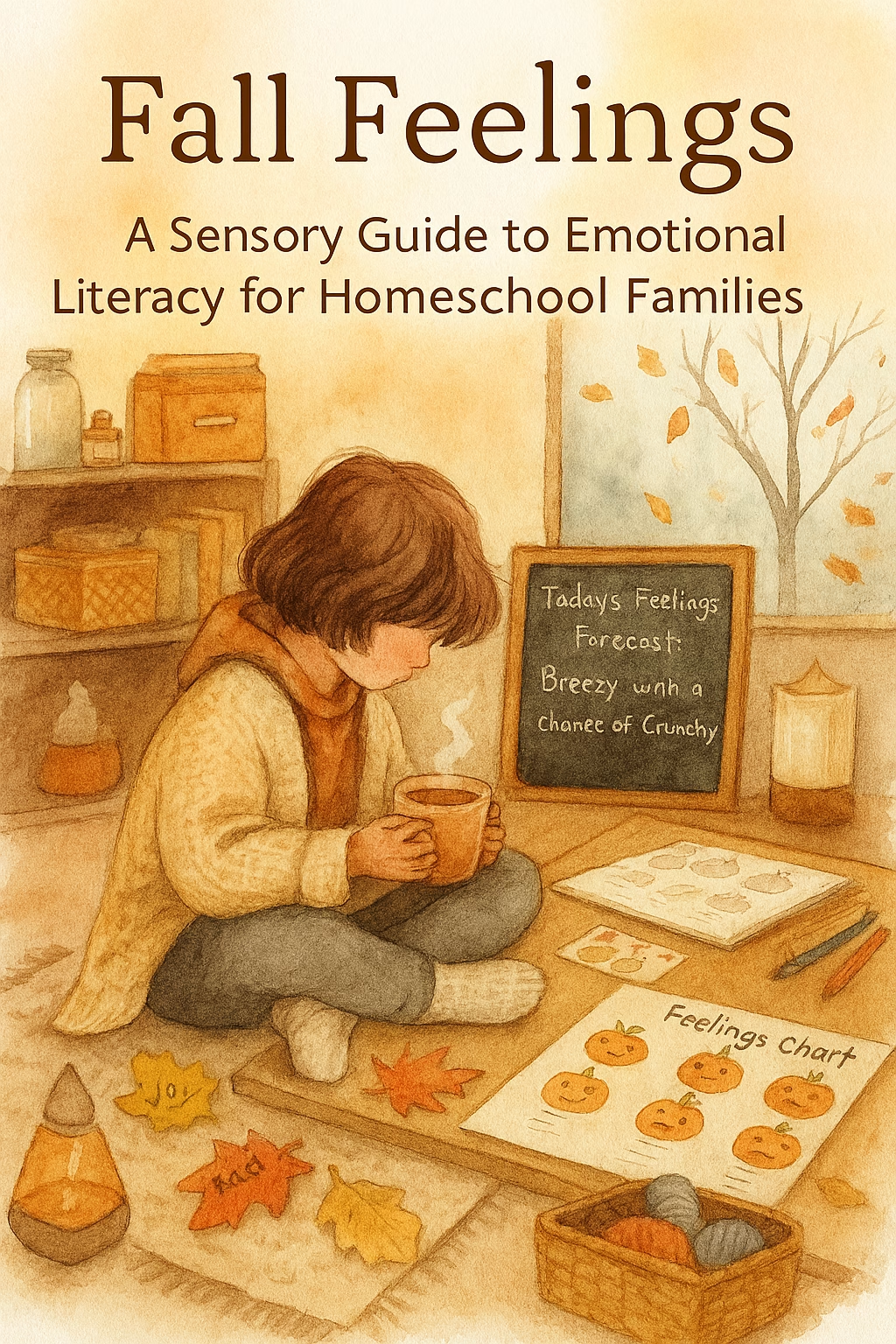
How to Use Fall Sensory Metaphors to Teach Emotional Literacy
- Sensory-Friendly Living, Emotional Intelligence in Learning, Emotional Literacy at Home, Emotional Regulation, Emotional Safety in Daily Routines, Emotional Safety in Learning, Emotional Wellness, Emotional Wellness in Homeschool, Emotionally Attuned Learning, Sensory Parenting, Sensory Support, Sensory-Friendly Education, Sensory-Friendly Learning, Social-Emotional Learning
Fall Feelings: A Sensory Guide to Emotional Literacy Helping Kids Name What They Feel—Without Meltdowns or Mood Mysteries Let’s be honest.Fall is basically the moodiest season.One minute it’s crisp and golden, the next it’s foggy and weirdly damp.Kind of like your child’s emotional state when you ask them to put on socks. But here’s the thing:Those crunchy leaves, foggy mornings, and cozy layers?They’re not just seasonal vibes—they’re fall sensory metaphors.And they’re the perfect way to teach emotional literacy in a way that actually sticks. Why Emotional Literacy Matters (Especially in Fall) Fall is full of transitions:New routines. New subjects. New social dynamics.And for sensitive kids, that means new emotional terrain—often without the vocabulary to navigate it. Emotional literacy isn’t just about naming feelings.It’s about regulating, connecting, and feeling safe enough to be seen. And when we teach it through fall sensory metaphors and playful rituals?Kids don’t just learn—they embody it. For parents navigating this terrain too, The Gentle Reset: How to Recalibrate When You’ve Lost Your Spark offers a soft, nervous-system-friendly way to come back to yourself. Foggy Mornings & Mixed-Up Moods Start with this metaphor: “Some mornings feel foggy. You’re awake, but your feelings haven’t caught up yet.” Use this to introduce the idea of emotional confusion or low regulation.Pair it with a fall sensory classroom activity like: Feelings Forecast Chart: Let kids “check the weather” inside their bodies. Foggy, sunny, stormy, breezy? Signing Time: Use Signing Time to teach emotion words in ASL—great for visual and kinesthetic learners. Tea Time Together: Create a weekly ritual where kids sip warm tea (or apple cider) and share one feeling from the week. Try Art of Tea or Magic Hour Tea for sensory-safe blends. Crunchy Leaves & Big Emotions Crunchy leaves are loud, messy, and satisfying.So are big emotions—when they’re allowed to be expressed safely. Try this metaphor: “Some feelings are crunchy. They need to be stomped, tossed, or danced out.” Fall sensory activities to try: Leaf Sorting Game: Use printable leaves with emotion words. Kids sort them into “pleasant” and “unpleasant” piles, then crumple or smooth them based on how they’d like to respond. Pumpkin Faces SEL Lesson: Try this Fall Pumpkin Feelings Activity for matching emotions to pumpkin expressions. Outside the Box sensory tools: Offer fidget-friendly options for kids who need to crunch, squeeze, or stretch their way to regulation. Cozy Layers & Emotional Safety Fall layers aren’t just fashion—they’re emotional armor.When kids feel safe, they can explore their feelings without fear of judgment or shutdown. Use this metaphor: “Feelings are like layers. Some are close to the surface, others are tucked underneath.” Fall sensory rituals to support emotional safety: Feelings Journal Slides: Use this Fall Emotions Journal to help kids explore what’s underneath their surface mood. Soft Fall Capsule: For sensory-sensitive kids, clothing matters. My Soft Fall Capsule includes cozy layers that regulate, not irritate. Training Aliens: Use this playful social skills program to teach emotional safety through imaginative role play. Science + Story = Emotional Mastery Want to go deeper?Blend emotional literacy with science and storytelling: MEL Science: Explore the biology of emotions—like heart rate, breath, and sensory input. Honest History: Read stories of historical figures navigating big feelings and change. Pandia Press: Integrate emotional themes into your fall unit studies. Grammar Galaxy: Use narrative-based grammar lessons to explore emotional vocabulary. Logic of English: Teach feeling words with phonics and spelling patterns that stick. Bonus: Fall Sensory Literacy Playlist Music helps kids regulate, reflect, and reset. Try this fall sensory-themed playlist for classroom transitions or quiet moments: Foggy: Instrumental piano (think Ludovico Einaudi) Crunchy: Upbeat percussion or nature sounds with leaf crunch Cozy: Acoustic warmth (like Iron & Wine or soft folk) Breezy: Ambient nature tracks with wind and birdsong Pair this with Gentle Exercise Ideas That Help Families Focus and Regulate for movement-based emotional support. Fall Sensory Favorites from Amazon These Amazon picks support emotional literacy through texture, movement, and cozy regulation: Weighted Lap Pad – Great for grounding during journaling or transitions Textured Fidget Balls – Crunchy, squishy, and regulation-ready Fall Emotion Cards – Visual aids for sorting and naming feelings Soft Knit Sensory Socks – Gentle layers that don’t irritate Fall-Themed Scented Putty – Smell + touch = sensory win Fall-Themed Coloring Book – Combine creativity with calming rituals Nature Sound Machine – Breezy background for quiet time Emotions Activity – Hands-on tools for emotional categorization Related Posts That Deepen the Journey The Gentle Reset: How to Recalibrate When You’ve Lost Your Spark Comfortable Fall Capsule Wardrobe: Easy Outfits That Actually Feel Good Fall Rituals for Sensitive Souls: How to Feel Good How to Build a Gentle Homeschool Rhythm This Fall (That Actually Works) How to Teach Through Tears: Calming Tools for Overwhelmed Homeschool Days How to Help Sensitive Kids Celebrate Who They Are—Without Apology How to Create a Sensory-Friendly Workspace That Honors Your Brilliance How to Use Art Subscription Boxes to Support Emotional Safety and Sensory Needs This Simple Sensory Setup Changed Everything—Here’s How We Use It You’re More Than a To-Do List: Join the 30-Day Ritual Reset for Moms Who Need a Minute Final Thought: Emotional Literacy Is a Fall Sensory Experience Kids don’t learn feelings from flashcards.They learn them from foggy mornings, crunchy leaves, cozy layers, and the way we respond when they say “I don’t know what I feel.” So, this fall, let emotional literacy be a fall sensory guide.Let it be playful. Let it be layered. Let it be safe.And let it start with one crunchy leaf and one gentle conversation.
The Gentle Reset: How to Recalibrate When You’ve Lost Your Spark
- Cozy Tools for Overwhelmed Moms, - Cozy Tools for Sensitive Families, - Gentle Morning Rhythms, - Gentle Productivity Tools, - Workspace Rituals & Reset Tools, Cozy Home Routines, Cozy Living & Seasonal Rituals, Cozy Organization & Visual Calm, Cozy Self-Care for Sensitive Moms, Gentle Goal Setting, Gentle Joy Rituals, Gentle Productivity for Moms, Gentle Style & Sensory Fashion, Healing & Transformation
The Gentle Reset: How to Recalibrate When You’ve Lost Your Spark Let’s be honest.Sometimes your spark doesn’t just flicker—it full-on vanishes.You’re staring at your to-do list like it personally offended you.You’ve got 47 tabs open and zero motivation.And the worst part? You’ve already tried being grateful, drinking water, and “just pushing through.” But here’s the truth:You don’t need a productivity hack.You need a Gentle Reset—a nervous system-friendly way to recalibrate without burning out or bulldozing your own needs. First, Let’s Name It: You’re Not Lazy. You’re Dysregulated. If you’ve lost your spark, it’s not because you’re lazy, unmotivated, or “bad at life.”It’s because your nervous system is waving a little white flag. When your body’s in survival mode, creativity, joy, and clarity go offline.So instead of shaming yourself into action, let’s gently guide your system back to safety—where your spark actually lives. Where’s Your Spark Today? (Mini Spark Scale) Before we reset, let’s check in: Full Flame: I’m creating, connecting, and caffeinated Flickering: I’m functioning, but meh Dim: I’m tired and uninspired Out: I’m in survival mode Wherever you land, you’re not alone. And you’re not stuck. Let’s begin your Gentle Reset. The Gentle Reset Framework: No Hustle Required This isn’t a checklist. It’s a rhythm.A soft recalibration that helps you feel like you again—without the pressure to “optimize” every second. 1. Interrupt the Loop (Without Drama) If your days feel like Groundhog Day with more laundry, it’s time to break the cycle.Try a micro-shift: Move your body in a new way (even 3 minutes counts—see my Regulate and Recharge: Fitness Essentials) Change your environment (light a candle, open a window, rearrange one shelf—my Layered Texture Workspace Essentials are designed for this) Say something out loud that feels true: “I’m allowed to pause.” These tiny shifts signal safety to your nervous system—and safety is where your spark lives. 2. Reclaim One Ritual That Used to Feel Good Not all routines are dead. Some are just buried under overwhelm.Think back: Was there a tea you used to love? (I rotate between Art of Tea for grounding blends and Magic Hour Tea when I need a little sparkle.) A playlist that made you feel like the main character? A 5-minute stretch that felt like a hug? Resurrect one. Not all. Just one.Because momentum starts with remembering what worked. That’s the heartbeat of a Gentle Reset. 3. Create Before You Consume This one’s spicy, I know.But if you’re scrolling before you’re sipping, your spark is probably drowning in other people’s noise. Instead, try this:Before you check your phone, create something tiny. A sentence A sketch A voice memo A breakfast that doesn’t involve crumbs from your kid’s granola bar (I love Cafe Borbone for espresso that feels like a small win.) This isn’t about output. It’s about reclaiming your inner voice before the algorithm hijacks it. 4. Dress Like You’re Worth Showing Up For No, you don’t need a full face of makeup or a capsule wardrobe curated by Gwyneth.But your clothes are part of your regulation toolkit. Soft textures. Breathable fabrics. Outfits that whisper “you’re safe here.”Because when you feel good in your skin, your spark doesn’t have to fight its way out. Start with my curated Soft Fall Capsule—a shelf full of emotionally safe layers that support your Gentle Reset from the outside in. A Personal Moment: When My Spark Went Silent Not long ago, I sat in my workspace surrounded by everything I’d built—blog posts, affiliate shelves, homeschool plans, content calendars.And instead of feeling proud, I felt… hollow.Like none of it was worth the time, energy, or emotional labor I’d poured into it. I almost shut it all down. But then I turned on The Greatest Showman.And something shifted. The music, the message, the unapologetic celebration of being “too much” lit a match in me.I remembered why I started.I remembered that my spark doesn’t need to be loud—it just needs to be mine. That moment was my Gentle Reset. And it changed everything. What Happens When You Reset Gently Here’s what you might notice—slowly, quietly, beautifully: You start making decisions without spiraling Your creativity returns in whispers, then waves You feel less like a background character in your own life You stop apologizing for needing softness You remember that your spark isn’t gone—it’s just waiting for safety Related Reading That Supports Your Gentle Reset If this post speaks to your nervous system (or your child’s), you might also love: Comfortable Fall Capsule Wardrobe: Easy Outfits That Actually Feel Good Fall Rituals for Sensitive Souls: How to Feel Good Gentle Exercise Ideas That Help Families Focus and Regulate The Sleep Hack I Never Saw Coming in a Space Toy How to Build a Gentle Homeschool Rhythm This Fall (That Actually Works) How to Teach Through Tears: Calming Tools for Overwhelmed Homeschool Days How to Be Seen Without Feeling Exposed: Branding for Sensitive Moms and Creators How to Feel Good Again—Without Changing Your Whole Life The Emotionally Safe Way to Dream Big—Without Self-Sabotage You’re More Than a To-Do List: Join the 30-Day Ritual Reset for Moms Who Need a Minute These posts layer beautifully with your Gentle Reset—because healing isn’t just about what we do. It’s about how we feel while doing it. Gentle Reset Favorites That Help Me Feel Like Me Again The Soft Fall Capsule – Cozy layers that regulate, not irritate Mama Reset Rituals Shelf – Soft tools, cozy comforts, and emotional safety in product form Autism Support Favorites – For families navigating sensory overwhelm Staples for a Low-Tox Home – Because your spark deserves clean air and gentle ingredients Global Healing – Supplements that support clarity and calm Mito Red Light – For gentle energy and cellular support Outside the Box – Sensory tools that support emotional regulation NameHero – Hosting that supports your creative spark Shopify – If your reset includes building something new You Don’t Need to Hustle Back to Yourself You just need a Gentle Reset.With softness. With intention. With clothes that feel like

Comfortable Fall Capsule Wardrobe: Easy Outfits That Actually Feel Good
The Soft Autumn Capsule: Clothes That Feel Like Home Let’s be real.Some outfits look amazing on Pinterest—but feel like betrayal in real life.If you’ve ever peeled off a scratchy sweater mid-meltdown or stared at your closet wondering why everything feels like a costume, this post is for you.Because sensitive moms (and their sensory-rich kids) don’t need “statement pieces.”We need soft armor.We need clothes that regulate, not irritate.We need a fall capsule wardrobe that feels like home.Welcome to the Soft Autumn Capsule: a curated fall capsule of cozy, emotionally safe outfits that help you feel like yourself again—even when the day starts in meltdown mode. Why “Soft” Isn’t Just a Texture—It’s a Nervous System Strategy This isn’t about fashion.It’s about function.And not the “pockets!” kind (though yes, we love those too).Soft autumn dressing is about choosing clothes that support your sensory system, emotional regulation, and daily rhythm. Because when your clothes feel good, you move differently. You parent differently. You breathe differently.And no, you don’t need 37 pieces or a color-coded closet to make your fall capsule work. The Soft Autumn Capsule Staples (That Actually Feel Good) You might want to check out these fall capsule essentials: Oversized Knit SweaterMEROKEETY Chunky Knit Pullover – Feels like a hug, looks like you tried. Soft, breathable, and roomy enough for layering without bulk. High-Waisted JoggersAmazon Essentials Fleece Joggers – No pinching, no waistband betrayal. Just soft stretch and emotional safety. Ribbed Long Sleeve TeeOthread Modal Rib Tee – Gentle on skin, perfect for layering under cardigans or cozy coats. Soft Lounge SetPRETTYGARDEN Two-Piece Set – Basically pajamas, but socially acceptable. Comes in muted tones that won’t overstimulate. Neutral Trench CoatCreatmo Belted Trench – Structured enough to feel polished, soft enough to feel safe. Ideal for sensory-sensitive transitions. These pieces aren’t just soft—they’re strategic. They help you regulate your body temperature, reduce sensory overwhelm, and move through yur day with more ease. And when layered intentionally, they create a fall capsule wardrobe that supports both style and sanity. Choose Your Fall Capsule Based on How You Want to Feel Not every soft piece works for every nervous system. That’s the magic of a fall capsule—it’s customizable. Here’s how to choose based on your sensory style: If you crave grounding: Reach for ribbed knits, earthy tones, and weighted textures. Think chunky cardigans and fleece joggers that feel like a hug. If you need lightness: Go for flowy layers, breathable cotton, and soft neutrals. Modal tees and lounge sets are your best friends. If you’re overstimulated: Choose neutral palettes, minimal seams, and soft structure. A trench coat over a ribbed tee can feel like emotional armor. If you’re sensory-seeking: Mix textures—knits, fleece, terry—and add playful accessories like cozy socks or a soft scarf. You’re not “too much.” You’re beautifully alive. This isn’t just a wardrobe. It’s a regulation toolkit you can wear. And your fall capsule can be the foundation for feeling good again—without needing a whole new life. Mini Quiz: Is Your Closet Helping You Regulate? Answer these quick questions: Do you reach for the same 3 outfits every week because everything else feels “off”? Do you avoid certain fabrics, waistbands, or necklines because they make you feel tense or overstimulated? Do you feel more emotionally grounded when your clothes are soft, breathable, and neutral-toned? If you answered yes to any of these, your nervous system is begging for a soft fall capsule. And you deserve one. Amazon Favorites That Feel Like Home These fall capsule staples are easy to mix, emotionally safe to wear, and gentle on both budget and body: MEROKEETY Chunky Knit Cardigan – A fan favorite for texture and warmth Sinophant High Waisted Yoga Pants – Soft, stretchy, and sensory-safe Lomitract Mini Crew Socks – Gentle on skin, great for crisp fall days PRETTYGARDEN Lounge Set – Neutral tones, soft fabric, and no waistband drama Hooever Women’s Winter Wool – Structured enough to feel polished, soft enough to feel safe Whether you’re building your first fall capsule or refining one that already works, these pieces are here to support your rhythm—not sabotage it. Related Reading You’ll Love If this post speaks to your nervous system (or your child’s), you might also love: Fall Rituals for Sensitive Souls: How to Feel Good Gentle Exercise Ideas That Help Families Focus and Regulate The Sleep Hack I Never Saw Coming in a Space Toy How to Build a Gentle Homeschool Rhythm This Fall (That Actually Works) How to Teach Through Tears: Calming Tools for Overwhelmed Homeschool Days How to Be Seen Without Feeling Exposed: Branding for Sensitive Moms and Creators How to Feel Good Again—Without Changing Your Whole Life The Emotionally Safe Way to Dream Big—Without Self-Sabotage These posts layer beautifully with your fall capsule—because healing isn’t just about what we wear. It’s about how we move, how we teach, and how we show up. 🧺 Shop the Soft Fall Capsule These cozy, emotionally safe pieces are handpicked to help you feel good again—without the overwhelm.
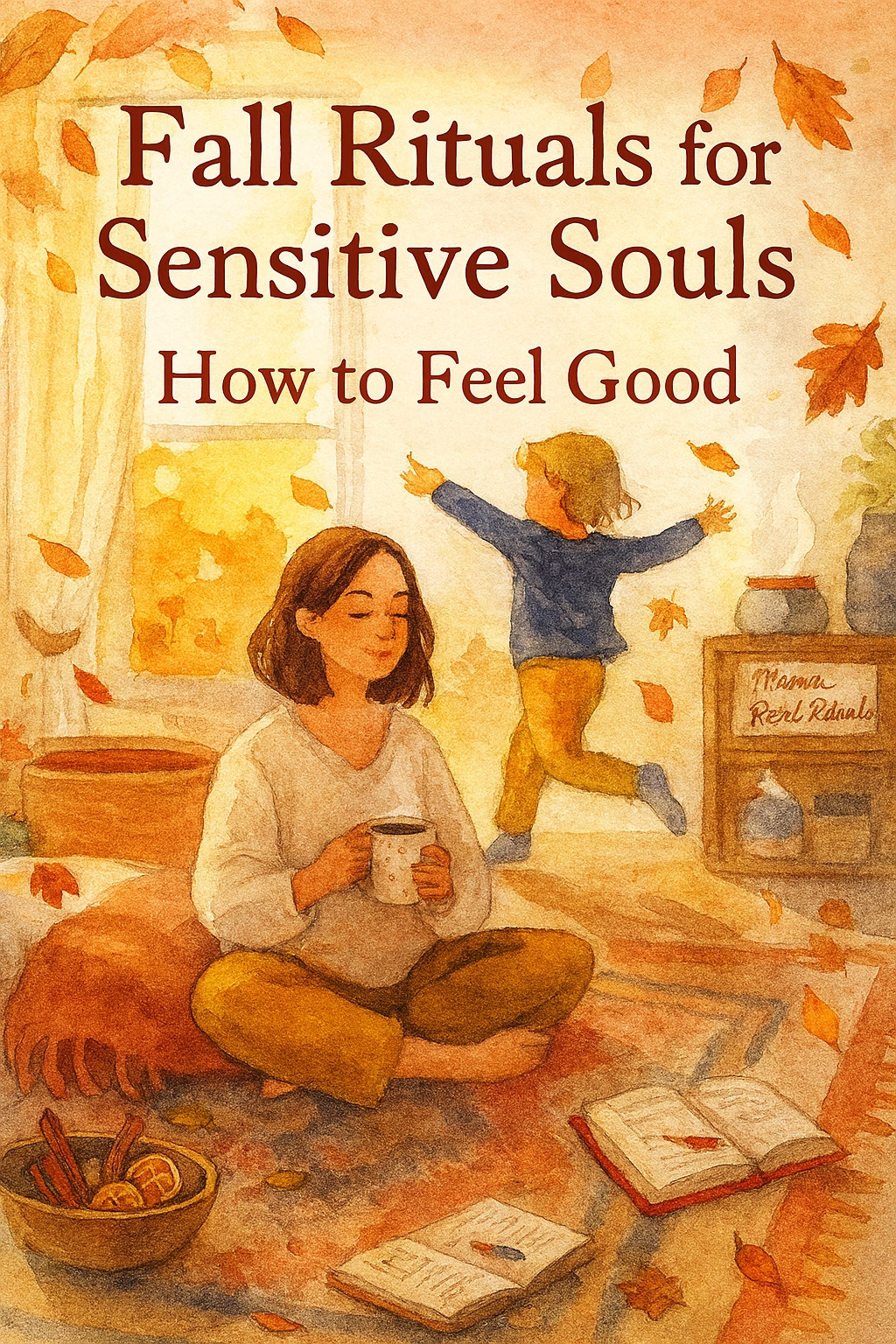
Fall Rituals for Sensitive Souls: How to Feel Good
Fall Rituals for Sensitive Souls: How to Feel Good Again (Without Burning Sage or Your Sanity) Fall is beautiful.But for sensitive souls, it’s also a sensory ambush wrapped in crunchy leaves and cinnamon marketing. Sudden schedule shifts. Dry air. Meltdowns over socks.And don’t even get me started on the emotional whiplash of back-to-school energy. If you’re a sensitive mom—or raising one—this season can feel like a slow unraveling. But it doesn’t have to. With the right fall rituals, you can turn autumn into a soft landing instead of a spiral. And no, you don’t need matching mugs or a pumpkin patch photoshoot to make it work. Why Fall Rituals Matter More Than Routines Routines are rigid. Fall rituals are rhythmic. Sensitive families thrive on rhythm—not rigidity. Rituals offer predictability without pressure. They regulate the nervous system, build emotional safety, and create micro-moments of connection that actually stick. And in fall, when everything’s shifting—light, temperature, expectations—rituals become your anchor. If you’ve ever felt like your homeschool rhythm was unraveling by mid-September, you’ll love How to Build a Gentle Homeschool Rhythm This Fall (That Actually Works). Morning Fall Ritual: Warmth Before Words Before you speak, sip. Start your day with a sensory-friendly beverage ritual. Not just caffeine—but comfort.Try: Magic Hour Tea for dreamy blends that feel like a hug Cafe Borbone for rich, low-acid espresso that won’t spike anxiety Art of Tea for seasonal favorites like Dark Chocolate Peppermint or Cinnamon Fig Or my go-to Mama Reset Rituals shelf for cozy mugs, adaptogens, and low-tox morning tools Pair it with silence, soft music, or a whispered affirmation. (“I’m allowed to start slow.”) Need help recovering when the day starts in meltdown mode? How to Recover When the Day Starts in Meltdown Mode is your lifeline. Midday Fall Ritual: Movement That Regulates Forget workouts. Think gentle exercise that feels like play. Sensitive bodies need movement that soothes, not stresses. Try: Wall pushes between homeschool subjects Freeze dance with gratitude prompts Laundry lunges with dramatic narration Or explore my Regulate & Recharge: Fitness Essentials shelf for sensory-safe gear that actually works Bonus: Red light therapy with Mito Red Light can help regulate circadian rhythms and reduce inflammation—especially during seasonal transitions. Want more ideas? Gentle Exercise Ideas That Help Families Focus and Regulate is packed with movement that heals. Learning Fall Ritual: Cozy Curriculum Moments Fall is a great time to lean into emotionally safe learning. That means no pressure, no perfection—just connection. Here’s what we love: All About Learning Press for gentle, mastery-based reading Grammar Galaxy for story-driven language arts that spark joy Pandia Press for secular science and history that feel like adventures Honest History for beautifully illustrated magazines that make history feel human Training Aliens for social-emotional learning that actually works (and doesn’t feel like therapy homework) Want more curriculum clarity? How to Choose Curriculum That Supports Neurodivergent Brains (Not Breaks Them) is a must-read. Creative Fall Ritual: Texture, Light, and Low-Pressure Art Sensitive souls often regulate through creativity—but only when it feels safe. Try: Watercolor journaling with soft music Signing songs with Signing Time to build connection through movement Gentle science experiments with MEL Science (no explosions, promise) Or build a sensory-friendly workspace with my Layered Texture shelf—think soft lighting, cozy textures, and tools that don’t overstimulate Need inspiration? How to Use Art Subscription Boxes to Support Emotional Safety and Sensory Needs is full of ideas. Evening Fall Ritual: Wind Down Without Meltdown Evenings are where regulation goes to die—unless you ritualize them. Here’s what helps: Tea time with Tea Time Together or Christian Book devotionals Storytime with Outside the Box or Logic of English readers Gentle detox support with Global Healing (especially magnesium and liver support) A warm bath, soft playlist, and a “no expectations” bedtime routine And if your kid needs a little extra sensory support? My Staples for a Low-Tox Home shelf has everything from weighted blankets to calming oils that won’t trigger sensitivities. Choose Your Fall Ritual Based on Your Sensory Style Not every ritual works for every nervous system. That’s the magic of fall rituals—they’re flexible, layered, and deeply personal. Here’s how to find the ones that actually help: If you’re an Overstimulated SeekerYou crave quiet, softness, and space to breathe. Try rituals that include weighted blankets, red light therapy, and silent tea time. Your nervous system needs less noise, more grounding. If you’re an Understimulated WandererYou need novelty, motion, and sensory input to feel alive. Think freeze dance, vibrant visuals, and outdoor walks with crunchy leaves underfoot. Your rituals should spark curiosity and movement. If you’re an Emotional SpongeYou absorb everyone’s energy—especially in co-op chaos or sibling squabbles. Gentle affirmations, soft music, and cozy textures help you release what’s not yours and reconnect with what is. If you’re a Sensory AvoiderYou’re easily overwhelmed by smells, textures, and noise. Choose rituals with low-scent environments, dim lighting, and slow, predictable movement. Less is more—and that’s not a flaw, it’s wisdom. If you’re a Sensory CraverYou seek bold flavors, deep pressure, and vibrant stimulation. Layer your rituals with texture-rich art, dramatic storytelling, and movement breaks that feel like play. You’re not “too much”—you’re beautifully alive. Need help decoding your child’s sensory style? That Toy Isn’t a Distraction. It’s a Sensory Survival Tool might surprise you. Mini Quiz: What Fall Ritual Do You Need Most? Answer these quick questions to find your perfect ritual: 1. Your ideal fall morning starts with… Silence and tea Dancing in the kitchen Reading aloud under a blanket Journaling with soft music 2. When you feel overwhelmed, you… Retreat and crave quiet Get restless and need movement Cry or shut down emotionally Seek sensory input (textures, smells, flavors) 3. Your child’s biggest fall challenge is… Transitions and schedule changes Meltdowns over clothing or noise Emotional dysregulation Sensory-seeking behaviors Mostly A’s: Try a Morning Fall Ritual with tea, affirmations, and soft lightingMostly B’s: You need a Movement
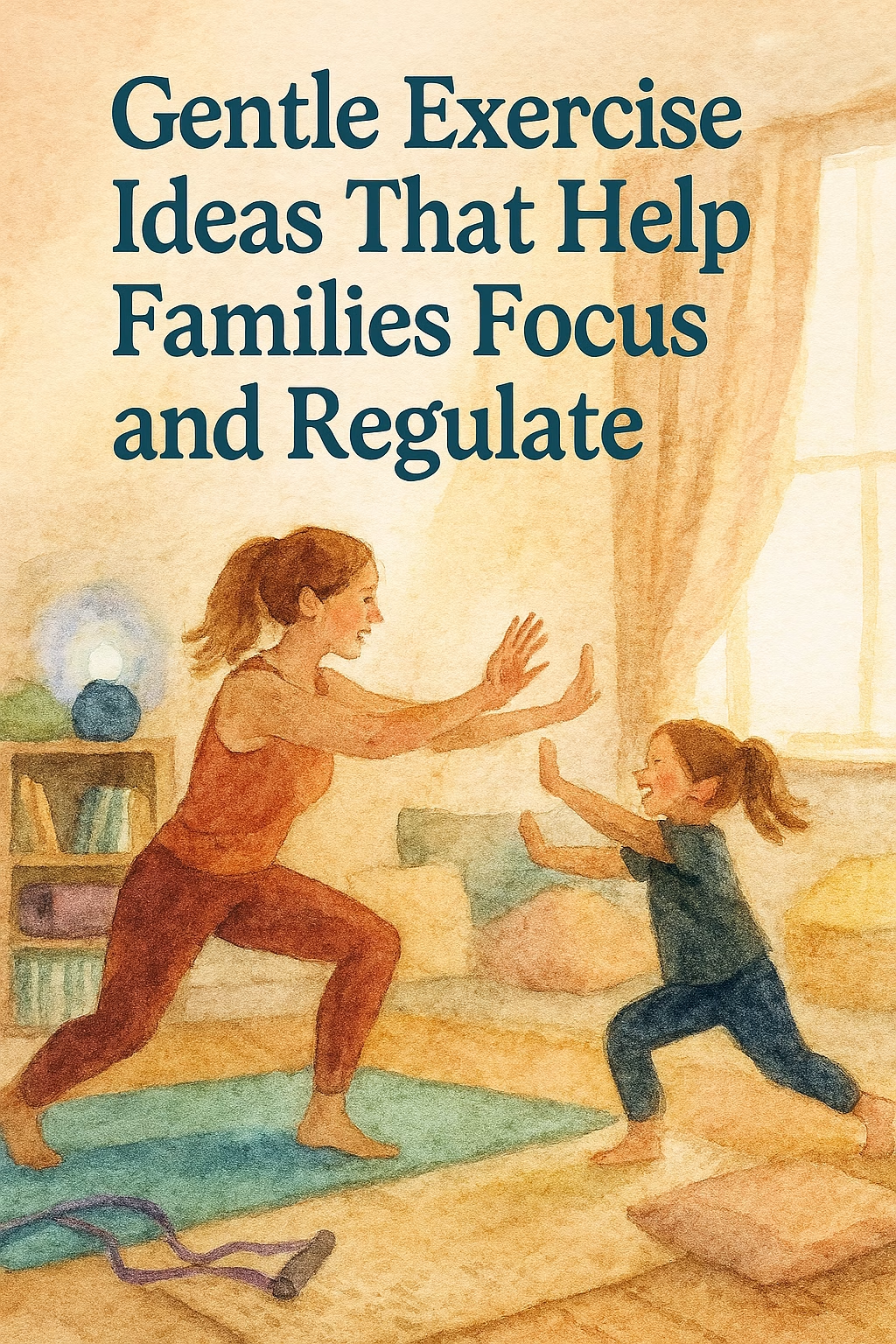
Gentle Exercise Ideas That Help Families Focus and Regulate
Gentle Movement for Sensitive Families: The Surprising Truth I Learned as a Certified Group Fitness Instructor I didn’t get certified to yell at people in spandex.I got certified because I believe movement should feel like a hug—not a punishment.And now that I’m officially a Group Fitness Instructor (GFI), I can say this with full confidence:Most sensitive families don’t need louder workouts.They need quieter invitations.Gentle exercise that feels safe, doable, and emotionally supportive.Because here’s the truth no one tells you when you’re navigating sensory needs, emotional regulation, and homeschool chaos:Movement isn’t just physical.It’s nervous system support.It’s connection.It’s healing.And yes—it can be fun. Even if your kid refuses socks and your morning started with a meltdown. What I Thought Fitness Was (And What It Actually Is) Before certification, I thought fitness meant choreography, timers, and playlists that made my ears cry.Now? I know it can mean: Rocking side to side while stirring oatmeal Stretching while reading aloud Dancing like a jellyfish to regulate after a hard homeschool moment Breathing deeply while folding laundry (yes, that counts) Gentle movement isn’t less than.It’s more than—because it meets you where you are.And when gentle exercise is woven into your day, it becomes a rhythm of regulation—not just a routine. Why Sensitive Families Need Movement That Feels Safe Here’s what I learned during certification that changed everything: Gentle exercise helps regulate cortisol, dopamine, and sensory overwhelm It builds proprioception and body awareness (especially for neurodivergent kids) It supports emotional release—without needing words It can be layered into homeschool days without disrupting your rhythm And most importantly?It doesn’t have to look like a workout.It can look like play. Like ritual. Like rest.Gentle exercise meets the body with kindness—and that’s where healing begins. 5 Gentle Movement Ideas You Can Try Today These are real-life tested in our home—no timers, no guilt, no matching leggings required. Just gentle exercise that feels like a breath of fresh air: The “Wiggle & Whisper” ResetWiggle your whole body for 10 seconds, then whisper affirmations like “I’m safe,” “I’m strong,” or “I’m allowed to rest.” Sensory Stretch CircleSit in a circle and stretch toward different objects—pillows, books, toys—naming them as you reach. Great for co-ops or sibling bonding. Laundry LungesLunge between laundry piles while narrating your heroic journey. Bonus points for dramatic flair. Wall Pushes for RegulationPush against a wall with both hands for 10 seconds. It’s grounding, calming, and surprisingly effective. “Freeze Dance” with a TwistWhen the music stops, everyone names one thing they’re grateful for. Gentle exercise + emotional safety = magic. Gentle Fitness Tools We Actually Use (And Love) These products support sensitive bodies, overstimulated moms, and homeschoolers who need gentle exercise that feels like a hug—not a hustle: Resistance Bands Set – latex-free, fragrance-free, and perfect for sensory-sensitive strength work Fitness Resistance Bands Pedal Puller – gentle tension and stable foot base for full-body movement Adjustable Workout Aerobic Step Platform – great for low-impact cardio and homeschool movement breaks Ignite 3-in-1 Resistance Band Kit – clip-in system for customized tension and sensory-safe handles Hugger Mugger Yoga Wedge – wrist support for floor work and gentle stretching Adjustable Grip Trainer – builds hand strength with ergonomic comfort Cute Workout Clothes for Sensitive Moms Because gentle exercise feels better when your clothes don’t fight you: MathCat Tank Top – flowy, soft, and perfect for movement that doesn’t take itself too seriously Mom Hustle Workout Shirt – relaxed fit with a wink of motivation Fitness Mom Sporty Tee – casual enough for homeschool, strong enough for movement HeathYoga High-Waisted Capris – light control and super stretch for sensory comfort Mamasaurus Yoga Tank – soft jersey blend with water-based ink print CHRLEISURE 3-Piece Leggings Set – seamless compression and high-rise waistband that feels secure without squeezing Movement Isn’t Just for Moms—It’s for Everyone Who Feels Too Much If you’ve ever felt overstimulated, under-supported, or just plain tired of trying to “do it all,” gentle exercise might be your missing piece.It’s not about burning calories.It’s about building capacity.For joy. For regulation. For connection. And now that I’m certified, I’m not just teaching movement.I’m inviting families into a rhythm that feels like home.Gentle exercise isn’t a trend—it’s a lifeline. Related Reading for Movement & Regulation If this post speaks to your nervous system (or your child’s), you might also love: The Sleep Hack I Never Saw Coming in a Space Toy How to Build a Gentle Homeschool Rhythm This Fall (That Actually Works) How to Teach Through Tears: Calming Tools for Overwhelmed Homeschool Days How to Feel Good Again—Without Changing Your Whole Life The Emotionally Safe Way to Dream Big—Without Self-Sabotage How to Help Sensitive Kids Celebrate Who They Are—Without Apology 🧺 Regulate & Recharge: My Fitness Essentials These are the gentle fitness tools I actually use and love—perfect for sensitive families, cozy workouts, and movement that heals.
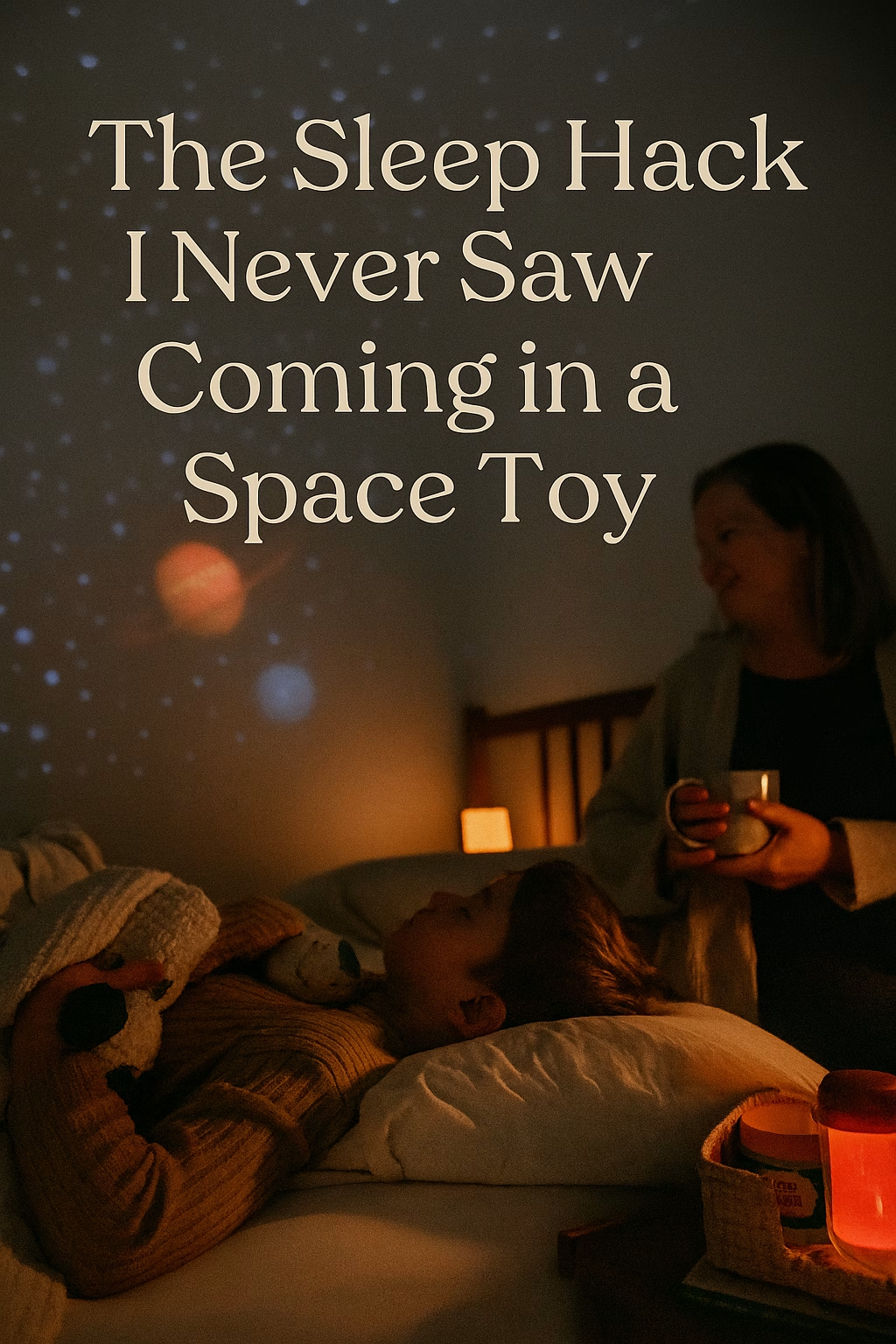
The Sleep Hack I Never Saw Coming in a Space Toy
- Mama-to-Mama Encouragement, - Nervous System Support, - Parenting with Intention, - Practical Tips for Families, - Real-Life Education Moments, - Real-Life Strategies, - Sensitive Families, Compassionate Parenting, Connection Over Correction, Cozy Family Routines, Cozy Hacks for Busy Days, Cozy Home Routines
The Sleep Hack I Never Saw Coming (Thanks to a Toy I Bought for Social Skills Class) I bought this toy for Training Aliens.You know—the social skills class where we pretend to be extraterrestrials learning how to make eye contact and not interrupt each other mid-sentence. It was supposed to be a visual aid.A conversation starter.A way to say, “Hey, even aliens need emotional regulation.” But what happened next?Wasn’t just social-emotional learning.It was a sleep hack I didn’t even know I needed. The Toy That Accidentally Tucks Us In It’s called the Learning Resources Shining Stars Projector—a solar system toy that beams planets and stars onto your ceiling. I bought it thinking:“This will be perfect for our alien-themed empathy lesson.”Instead, it became the most effective sleep hack I’ve ever accidentally purchased. Why This Sleep Hack Works (Even If You’re Not Teaching Aliens) This little projector does something no lavender spray or white noise app has ever managed:It slows us down. The soft glow? Hypnotic. The rotating planets? Predictable and soothing. The quiet hum of the motor? Like a lullaby from NASA. It’s not just calming—it’s regulating.And for sensitive kids (and overstimulated moms), that’s the real win. This sleep hack doesn’t just help us fall asleep—it helps us feel safe enough to fall asleep. From Social Skills to Sleep Skills Here’s the twist:The projector did help with our Training Aliens class.It gave us a shared focus, a visual anchor, and a metaphor for emotional regulation. But then bedtime rolled around…And instead of winding up, my kids wound down.They stared at the stars.They asked gentle questions.They fell asleep mid-Mercury. And I did too.This sleep hack didn’t just soothe—it sparked curiosity and connection. Who Needs This Toy (Besides Me) If you’re a parent who: Homeschools sensitive or neurodivergent kids Uses social-emotional tools like Training Aliens or Zones of Regulation Struggles with bedtime transitions Wants learning tools that double as nervous system support This toy is your new best friend.It’s a sleep hack disguised as a STEM tool—and it works. Where to Get It (And Why You’ll Love It) You can grab the Learning Resources Star Projector for around $25. It’s simple, portable, and surprisingly powerful. Affiliate note: I earn a small commission if you purchase through my link—but I’d recommend this even if I didn’t. Because when a toy helps your kids learn empathy and fall asleep? That’s not a purchase. That’s a parenting miracle.And when it doubles as a sleep hack for moms who never get enough rest? That’s just mercy. Why This Sleep Hack Matters (Even More Than Sleep) Sometimes the best tools aren’t the ones we planned for—they’re the ones that meet us where we are.This little toy reminded me that learning and rest aren’t opposites. They’re partners. It’s the same rhythm I try to build in our homeschool days—gentle, sensory-safe, and emotionally attuned.If you’re craving more of that, you might love: How to Build a Gentle Homeschool Rhythm This Fall (That Actually Works) How to Teach Through Tears: Calming Tools for Overwhelmed Homeschool Days How to Help Sensitive Kids Learn: 7 Brain-Based Shifts for Focus, Regulation, and Healing The Emotionally Safe Way to Dream Big—Without Self-Sabotage Other Unexpected Wins for Bedtime & Regulation If you’re building a bedtime ritual that feels like a hug, here are a few cozy companions that pair beautifully with this sleep hack: Mito Red Light – gentle red light therapy for moms and kids Art of Tea’s Sleep Blend – calming herbal tea that tastes like a hug Weighted Eye Mask – sensory-safe and surprisingly effective Kids Soak & Sleep Epsom Salts – magnesium-rich bath soak that helps calm the nervous system and ease into sleep Pin This Sleep Hack for the Next Foggy Night Because you won’t always remember what helped when the bedtime chaos hits. And that’s okay.You’re building a rhythm that honors your brilliance—even when the stars are the only thing keeping everyone calm.
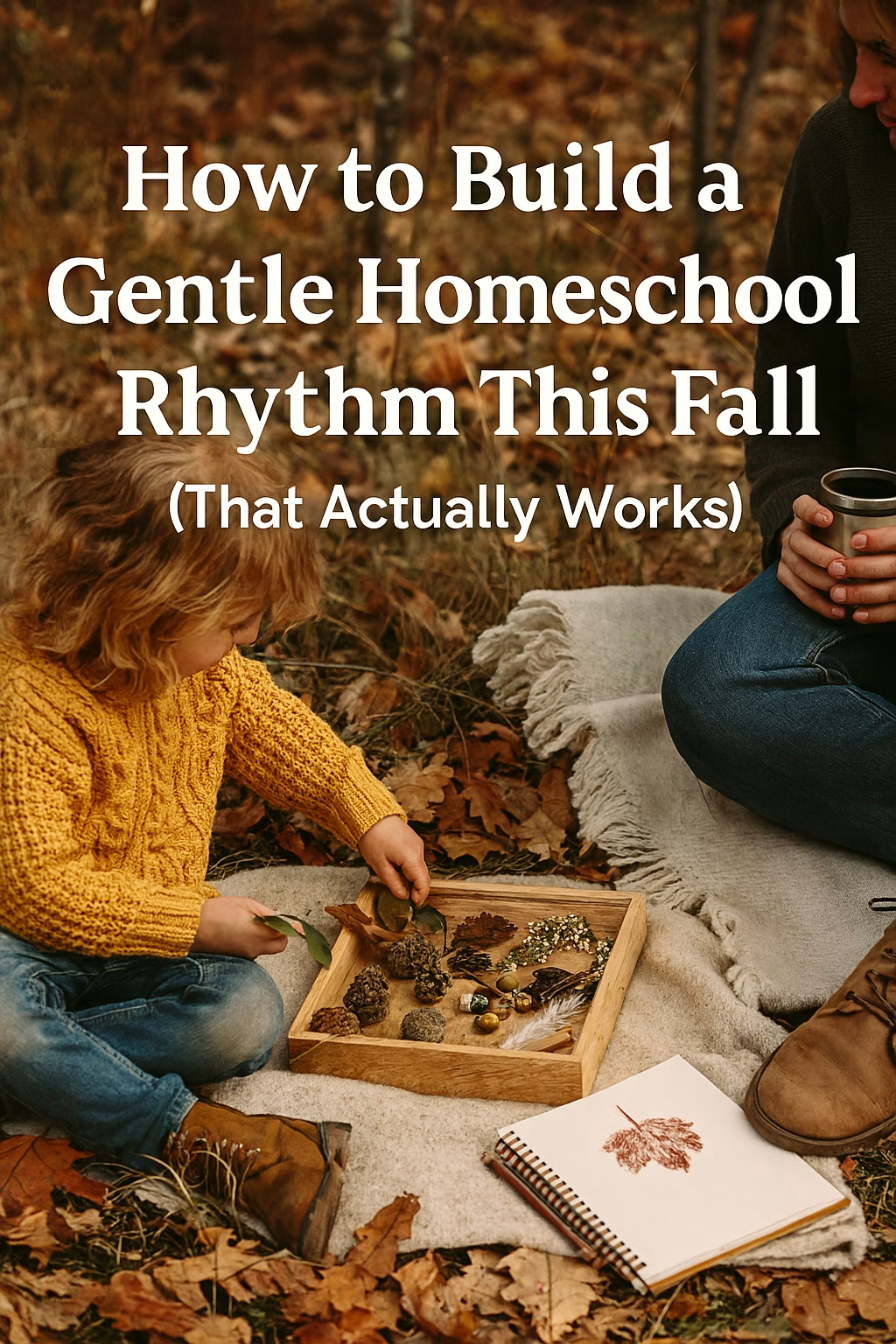
How to Build a Gentle Homeschool Rhythm This Fall (That Actually Works)
- Fall Tea & Texture Favorites, - Gentle Homeschool Rituals, - Gentle Homeschooling, - Homeschool Inspiration & Encouragement, - Homeschool Planning & Organization, - Real-Life Homeschool Tips, - Seasonal Homeschool Planning, - Special Needs Homeschooling, Emotional Wellness in Homeschool, Holistic Homeschooling, Homeschool Rhythms
The Cozy Curriculum: Building a Gentle Homeschool Rhythm for Fall A healing-centered guide to planning homeschool days that feel like a hug—not a hustle. Why Fall Deserves a Different Kind of Curriculum Fall isn’t just a season—it’s a nervous system invitation. The light softens, the pace slows, and sensitive families begin craving rhythm over rigor. But most curriculum planning skips this entirely. It jumps straight into structure, bypassing the emotional scaffolding that makes learning possible. This post is your permission slip to plan differently. To build a homeschool rhythm that’s gentle, seasonal, and emotionally attuned—without sacrificing growth, credibility, or curiosity. If you’ve ever felt like your curriculum was asking more than your nervous system could give, you’re not alone. And you’re not failing. You’re just ready for something cozier—a homeschool rhythm that feels like it belongs to you. Start With the Nervous System, Not the Scope and Sequence Before you choose a curriculum, ask:“What does our nervous system need to feel safe enough to learn?” For some families, that means: Predictable transitions Visual calm Movement breaks Emotional check-ins Tools that regulate, not overstimulate When you start here, everything else—reading fluency, math confidence, executive function—has a place to land. A homeschool rhythm built on regulation becomes a foundation for real learning. If this resonates, you’ll love How to Help Sensitive Kids Learn: 7 Brain-Based Shifts for Focus, Regulation, and Healing and That Toy Isn’t a Distraction. It’s a Sensory Survival Tool. For families exploring sensory-friendly support, my ShopMy Shelves: Autism Support Favorites and Layered Texture Workspace Essentials offer curated tools that soothe and spark. Gentle Tools That Support Real Learning (and Real Life) These picks aren’t just “educational.” They’re emotionally intelligent, sensory-safe, and designed for slow growth—perfect for anchoring your homeschool rhythm: The Soft Planner Ritual – A weekly planner with visual cues, emotional check-in boxes, and flexible pacing. It’s not just a schedule—it’s a rhythm keeper. The Texture Tray – A seasonal sensory bin with natural textures (acorns, felt leaves, smooth stones) for tactile regulation and thematic play. The Movement Mat – A Montessori-style mat with prompts for bilateral coordination, cross-body movement, and proprioceptive input. Ideal for pre-lesson resets. The “One Thing” Board – A magnetic board where kids choose one meaningful task per day. It builds autonomy, reduces overwhelm, and sparks intrinsic motivation. Looking for curriculum that supports this kind of gentle homeschool rhythm? All About Learning Press and Grammar Galaxy offer structured literacy tools that feel playful, not pressured. For science that sparks curiosity without chaos, MEL Science is a favorite in our fall rotation. Planning That Honors Slow Growth Forget rigid schedules. Try these gentle planning rituals to shape a homeschool rhythm that feels emotionally safe and seasonally aligned: The Seasonal Shelf – Rotate books, tools, and prompts weekly based on curiosity—not curriculum mandates. The Monday Map – Instead of a full week plan, sketch a loose map of themes, moods, and sensory needs. Adjust daily. The Friday Reflection – End the week with a cozy ritual—tea, music, and a “what felt good?” conversation. It builds emotional literacy and models self-awareness. These rituals don’t just support learning—they build trust. And trust is the foundation of every meaningful homeschool rhythm. If you’re craving more ritual, Turn Tea Time into a Weekly Ritual of Beauty and Tea Time Together are beautiful ways to begin. Curriculum as Connection, Not Control Instead of asking “What should we teach this week?” ask:“What helps us feel connected while we learn?” This reframes curriculum as a relational tool—not just an academic one. It’s the heartbeat of a homeschool rhythm that prioritizes emotional safety. You can include: Connection Cues – Build in moments of eye contact, shared laughter, and physical closeness (like reading under a blanket or doing math with a sensory board between you). Co-Regulation Rituals – Start lessons with a shared breath, a grounding scent, or a movement break. Emotional Check-Ins – Use emojis, color cards, or simple phrases like “I feel like a foggy cloud today” to name feelings before diving into content. For families working on social-emotional growth, Training Aliens is a refreshingly playful social skills program that supports connection without overwhelm. Designing a Week That Honors Your Energy Most planners assume consistent energy. But sensitive families know that motivation, regulation, and emotional bandwidth fluctuate. Let’s name that—and build a homeschool rhythm that flexes with real life. Try these: The Energy Map – Sketch your week with symbols for high-energy, low-energy, and flexible days. The Anchor Day – Choose one day for deeper focus (like nature journaling or project-based learning) and let the rest orbit gently around it. The Gentle Buffer – Always leave one day open for rest, catch-up, or spontaneous joy. It’s not “falling behind”—it’s building in grace. This isn’t just helpful—it’s healing. If you’re navigating burnout, Feeling Burned Out? A Survival Guide for Overstimulated Moms and You’re More Than a To-Do List: Join the 30-Day Ritual Reset are powerful companions. And for moms rebuilding their own energy, Mama Reset Rituals and Mito Red Light have been game-changers in my personal homeschool rhythm. Sensory-Friendly Learning Invitations (Not Tasks) Instead of assigning work, invite exploration. These cozy, sensory-safe invitations feel like play—but build executive function, emotional literacy, and academic skills. They’re perfect for weaving into your homeschool rhythm: “Would you like to build a leaf collage or sort them by texture?” “Want to listen to a story while threading beads?” “Let’s do math with snacks—grapes as counters, anyone?” “Want to write a poem about the wind while wrapped in a blanket?” These invitations spark curiosity without pressure. For more ideas, explore How to Use Art Subscription Boxes to Support Emotional Safety and Sensory Needs and Surprise Science: What Happens When You Skip the Curriculum but Not Curiosity. Looking for history that feels like storytelling? Honest History and Pandia Press offer beautifully written, emotionally safe options that spark wonder without overwhelm. Matching Curriculum to Emotional Archetypes Instead of pushing through hard days, match