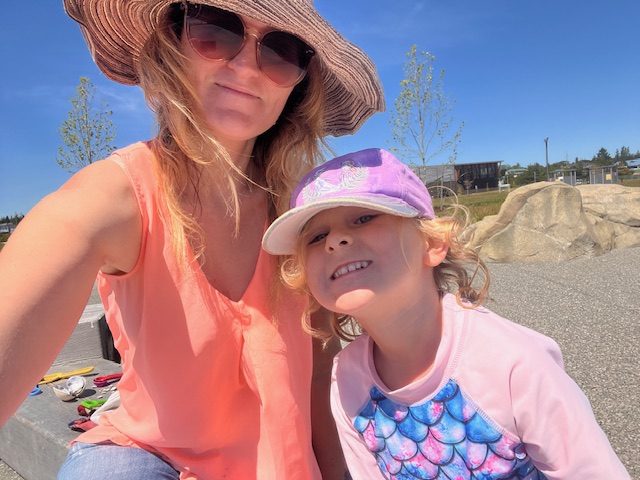
Play isn’t a break from learning- it is learning. Especially for families embracing hands-on learning at home, these activities nurture deep understanding, emotional resilience, and joyful curiosity. Whether you’re homeschooling full time or simply infusing creativity into everyday routines, these 7 activities actually work—and they’re easy to adapt for diverse ages, learning styles, and small spaces.
Unlike many “just keep them busy” lists, everything here ties back to real learning goals, without sacrificing fun.
1. Story Stones for Creative Narration & Language Development
How it works:
Paint or draw simple images (a tree, a dragon, a backpack) on small stones or wood discs. Prompt your child to pull three and weave a story around them.
Why it works:
- Boosts oral language, sequencing, and creativity
- Especially effective for reluctant writers—turns talking into storytelling
- Can double as a quiet-time activity for siblings
Try this:
For materials, check out the MindWare Paint Your Own Story Stones Kits or Smooth Craft Stones—ideal for creating your own set.
2. Hands-On Math Confidence: Dramatic Play Cash Register
How it works:
Set up a home “shop” with items labeled in prices. Add play money and a DIY cash register made from cardboard or a calculator. Children take turns shopping and making change.
Why it works:
- Builds number sense, addition, and subtraction
- Encourages real-life math conversations
- Great for multi-age groups—older kids can roleplay bank tellers or create store signs
Bonus idea:
Use actual pantry items for a grocery theme. Link it to real budgeting lessons or cooking prep!
Make it magical:
Download our free printable Ember Bucks to use in your shop setup—they add a cozy touch of Prairie Ember flair while giving your kids tangible math practice. Just print, cut, and start spending!
Try this: Pair your Ember Bucks with the Learning Resources Pretend & Play Cash Register for added interaction and durability.
3. Hands on Science Fun: Water Lab Station
Fill containers with water, food coloring, droppers, funnels, and “mystery ingredients” like baking soda or cornstarch. Invite free exploration.
Why it works:
- Encourages observation, hypothesis-making, and sensory exploration
- Turns kitchen chaos into scientific inquiry
- Naturally lends itself to journaling or sketching what they discover
Extend the learning:
Grab the Splashology Water Lab Kit—perfect for messy science play at home or grab a Mel Science Kit for super science fun!
4. Laundry Basket Geography Game
How it works:
Tape country/state names or flags to laundry baskets. Call out trivia or clues, and kids toss a beanbag into the matching basket.
Why it works:
- Reinforces location-based learning through kinesthetic movement
- Great for review games or unit wrap-ups
- Easily adapted to spelling, math facts, or language learning
Link it up:
Try the Skillmatics Guess in 10: States of America or Race Across the USA Board Game build foundational geography knowledge.
5. Sensory Build & Tell: Hands-On Construction for Storytelling
How it works:
Fill a bin with tactile materials—playdough, blocks, pipe cleaners, pebbles. Ask kids to build something that matches a prompt (“build a cozy animal habitat”) and then explain it.
Why it works:
- Supports engineering and spatial reasoning
- Encourages expressive language and presentation skills
- Fantastic for mixed-age siblings working at their own level
Homeschool tie-in:
Use materials like the National Geographic Sensory Science Kit or Pipe Cleaner Craft Set to stock your bins with hands-on magic.
6. Nature Scavenger Hike with Embedded Learning Prompts
How it works:
Design a scavenger hunt with prompts like “find something softer than your shirt” or “locate a plant with jagged leaves.” Add notebooks or sketchpads for recording.
Why it works:
- Deepens observation and comparison skills
- Builds descriptive vocabulary
- Connects science to personal experience
Make it your own:
Check out this Nature Scavenger Kit—complete with magnifying glasses, bags, and cards—or the Craft-Tastic Scavenger Hunt Potions Kit for a magical twist.
7. Feelings Theater for Emotional Literacy
How it works:
Grab stuffed animals or puppets. Act out scenarios: “Bear is feeling nervous about trying something new. What happens next?” Invite kids to narrate or improvise responses.
Why it works:
- Supports SEL (social-emotional learning) through roleplay
- Gives space for kids to externalize and process tricky feelings
- Encourages empathy and collaborative storytelling
Extension idea:
Try the Melissa and Doug Hand Puppet Set and the Melissa and Doug Hand Puppet Theater to create a storytelling space that invites expression.
Curriculum That Feels Like Play—But Teaches Deeply
If your kids thrive with storytelling, sensory play, and curiosity-led learning, Pandia Press offers history and science programs that feel like an extension of your homeschool rhythm.
Their History Quest series is packed with narrative read-alouds, map work, and “Hygge History” weeks—perfect for cozy learners who love snuggling up with stories. And Real Science Odyssey turns everyday wonder into structured exploration, with experiments and journaling prompts that feel like play but build real understanding.
 Why We Love It:
- Secular, flexible, and multi-age friendly
- Designed for hands-on, heart-forward families
- Encourages deep learning through storytelling and tactile engagement
 Explore Pandia Press Curriculum
It’s one of our favorite ways to keep learning playful—and purposeful.
Final Thoughts
Play-based learning isn’t a replacement for structured curriculum—it’s a rhythm that invites curiosity, connection, and joy. These activities aren’t just Pinterest-perfect ideas; they’re field-tested in our homeschool and designed to spark real learning, even in pajamas and snack-strewn living rooms.
After the messy magic of learning through play, we lean into routines that soothe and reset. Grove’s low-tox sprays and Honest’s gentle skin care let us clean up and wind down—without the sensory overwhelm. It’s all part of keeping our homeschool joyfully sustainable.
If your family loves learning through story as much as play, we’re obsessed with Honest History Magazine. Its beautifully illustrated, curiosity-driven issues make history feel like an adventure, not a lecture. We tuck it into quiet-time baskets, road trip bags, and nature nook shelves. Use code PRAIRIE10 to save 10%—your homeschool deserves story-powered wonder.
Want more child-led ideas?
Explore our guide to Homeschool Hacks or browse our free printable collection to support hands-on learning at every stage.
Let’s keep learning playful—and personal.

MEL Science is a hands-on science subscription that turns your kids into curious chemists and mini physicists—all from the comfort of your homeschool space. Each box includes real lab tools, guided experiments, and interactive lessons that make learning feel like play.
 Why Homeschool Families Love It Real science gear in every box
 Supports visual, tactile & inquiry-based learners
 Monthly themes keep curiosity alive
 Great alternative to traditional textbook science
Explore MEL Science Kits and spark discovery at home.