

How to Plan a Date Night When You Have Kids and Miss Connection (But Also Haven’t Showered in 3 Days) A slightly unhinged guide to reconnecting—with your partner, yourself, or someone who might actually text back. Let’s be real:You love your kids.You also love feeling like a human.But lately, your life feels like a sensory tornado with a side of snack crumbs—and your idea of romance is someone else doing the dishes without being asked. You miss connection.Not just in a “we should talk more” way.In a “I want to laugh again and maybe make out in the pantry” kind of way. But between bedtime chaos, homeschool planning, and the fact that your toddler thinks your armpit is a pillow, planning a date night feels like trying to schedule a spa day inside a tornado. → Related: You’re Not Lazy—You’re Overstimulated: A Nervous System Survival Guide→ Related: How to Keep Your Feral Child from Constantly Getting Sick This Season Why You Miss Connection (And Why It’s Not Your Fault) You’re not dramatic. You’re disconnected. And that disconnection isn’t because you’re bad at relationships—it’s because you’re drowning in logistics.Between immune support rituals, sensory meltdowns, and trying to remember if anyone brushed their teeth today, your emotional bandwidth is fried.You miss being seen.You miss laughing until you snort.You miss the version of you that wasn’t always multitasking or emotionally crispy.And yes—you miss the idea of a date night that doesn’t involve folding laundry or watching Bluey in the background.→ Related: Motherhood Isn’t a Personality—Here’s How to Find Yourself Again→ Related: “Why Am I Like This?” The Hidden Patterns You Inherited—and How to Heal Them in Motherhood The Secret to Planning a Date Night That Doesn’t Feel Like a Chore Here’s the trick:Don’t aim for perfect. Aim for connection. Instead of waiting for the stars to align (and the babysitter to not cancel), try this: Schedule a “micro date night” after bedtimeLight a candle. Eat something that didn’t come from a kid’s plate. Ask each other weird questions. Use a printable Date Night MenuChoose from “Low-Energy Laughs,” “Deep Talk & Dessert,” or “Let’s Just Watch Something and Cuddle.” Make it sensory-safeCozy blankets. Warm drinks. No pressure. Just presence. Say what you miss—out loudVulnerability is hot. So is emotional safety. → Related: The Emotionally Safe Way to Dream Big—Without Self-Sabotage→ Related: How to Be Seen Without Feeling Exposed: Branding for Sensitive Moms and Creators Printable Date Night Menu (For Real-Life Moms Who Miss Connection) Choose your vibe. Pick one item. No pressure, just presence. Low-Energy Laughs For when you want to connect but your brain feels like mashed potatoes. “Would You Rather?” book for couples Watch a nostalgic show and roast the fashion Share your weirdest childhood snack combo Read one page of a spicy romance novel—dramatically Deep Talk & Dessert For when you crave intimacy but also chocolate. Fondue mug set + flirty questions Scratch-off date card + cozy drinks “Open When…” letters with real feelings Share one thing you miss about each other (or yourself) Flirty Pantry Moments For when you want to laugh, touch, and maybe make out near the canned goods. Leave a sticky note dare on the fridge Massage oil + 5-minute shoulder rub swap Color a page from the flirty couple’s coloring book Dance in the kitchen with Silent Disco headphones Solo But Sparkly For when you’re flying solo but still want to feel romanced by life. Light a candle and eat something beautiful Write a love letter to your future self Do a red light therapy session while listening to your “I Miss Me” playlist Try one adaptogen that helps you feel like a person again → Related: The Gentle Reset: How to Recalibrate When You’ve Lost Your Spark→ Related: Fall Rituals for Sensitive Souls: How to Feel Good What If You’re Too Tired to Plan Anything? That’s okay.Date night doesn’t have to be fancy. It just has to be intentional. Try this: Text a meme that made you snort Leave a sticky note that says “I miss us” Sit next to someone while folding laundry and ask, “What’s something you wish we did more?” Even a five-minute date night counts when it’s rooted in presence. → Related: The Autumn Pause: Why Slowing Down Is the Best Thing You’ll Do This Season→ Related: Tired but Wired? Signs of High Cortisol in Women—and How to Lower It Gently Cozy Couple Essentials Shelf: Reconnect Rituals for Real-Life Moms You don’t need a five-course meal or a babysitter who doesn’t ghost you.You just need a spark—and a few cozy tools that make date night feel doable. No pressure. No perfection. Just presence. → Shop the Cozy Couple Essentials Shelf Includes: Soft lighting Mocktail mixers Couple’s card decks for deep or silly conversations Cozy robes Essential oil rollers with calming or flirty blends Massage oils Sticky notes for love bombs and pantry flirting → Related: Comfortable Fall Capsule Wardrobe: Easy Outfits That Actually Feel Good→ Related: These Adaptogens Help Moms Regulate, Focus, and Actually Sleep—Without a Wellness Retreat Actually Fun (and Slightly Risqué) Picks for Impromptu Date Nights For moms who miss connection—and maybe want to make out in the pantry. These aren’t your typical “watch a movie and hold hands” ideas. They’re cozy, connective, and just spicy enough to remind you you’re more than a snack-fetcher with a side of burnout. “Open When…” Letters Kit for Couples Scratch-Off Adventure Date Cards (Clean + Flirty) Fondue Mug Set for Two Couple’s Scrapbook Massage Oil with Lavender & Jojoba Silent Disco Headphones (2-pack) “Would You Rather?” Book for Couples (Clean but Ridiculous) → Related: Red Light Therapy Changed My Energy, Skin, and Sanity Final Thoughts from a Mom Who Misses Connection (But Also Her Sanity) You don’t need a reservation.You don’t need a babysitter who doesn’t ghost you. You don’t even need clean hair. You just need a moment.A spark.A tiny ritual that says, “We matter too.” So, light the candle.Make the chocolate.Scratch the silly

How to Keep Your Feral Child from Constantly Getting Sick This Season
How to Keep Your Feral Child (and Yourself) from Constantly Getting Sick This Season A slightly spicy guide to surviving fall without becoming a walking tissue dispenser. Let’s be honest:Your child is a germ magnet with questionable hygiene and Olympic-level nose-picking skills.You? You’re the exhausted snack-fetcher who hasn’t had a full REM cycle since 2017. And every fall, like clockwork, your household becomes a rotating petri dish of sniffles, coughs, and “Mom, I don’t feel good.” But this year? We’re not doing that.This year, we’re building a cozy, immune-supporting fortress—without turning into a wellness influencer or spending $400 on mushroom powder. → Related: Tired but Wired? Signs of High Cortisol in Women—and How to Lower It Gently Why You’re Always Getting Sick (And Why It’s Not Your Fault) Here’s the thing:You’re not weak. You’re overstimulated.And your immune system is just as fried as your nervous system. Between sleep deprivation, sensory chaos, and the emotional labor of parenting, your body’s defenses are waving a tiny white flag. Add in seasonal stress, food sensitivities, and the fact that your kid licks shopping carts for fun—and yeah, it’s a miracle you’re upright. → Related: Feeling Burned Out? A Survival Guide for Overstimulated Moms The Elderberry Syrup That Actually Works (And Turns Into a Homeschool Lesson) If you’ve tried elderberry gummies that taste like sadness and sugar, I see you.But this DIY Organic Elderberry Syrup Kit? It’s a game-changer—and not just for immune support. Makes 24oz of syrup Includes a free brew bag (no mess, no drama) Packed with elderberries, ginger, cloves, cinnamon sticks, and actual spices—not mystery goo Supports immune function naturally, gently, and effectively And the best part?Your kids will actually want to help make it. Mine treat it like a potion lab—measuring spices, sniffing cinnamon sticks, stirring gently while narrating like woodland apothecaries.It’s sensory-rich, rhythm-friendly, and sneakily educational. You can turn it into a full homeschool moment: Math: Measuring ingredients, doubling batches Science: Talking about antioxidants, herbal properties, and how heat extracts nutrients Literacy: Reading the instructions, writing a “recipe scroll” Sensory regulation: Smelling, stirring, and watching the color shift as it simmers We brew it together while listening to music or poetry, then bottle it like we’re stocking a medieval pantry.It’s cozy, connective, and immune-supporting—without the chaos of trying to get them to swallow a chalky pill. → Shop the Organic Elderberry Syrup Kit on Amazon→ Related: Turn Tea Time into a Weekly Ritual of Beauty: Art, Poetry & Music Made Simple Other Immune-Support Picks That Don’t Feel Like a Wellness Cult I’m not here to sell you on 17-step routines.I’m here to help you survive fall with your dignity and sinuses intact—and maybe even stop getting sick every other week. What’s actually helped: Grove’s Immunity Gummies Vitamin D Drops for Kids + Moms Probiotic Powder You Can Sneak into Applesauce Eucalyptus Shower Steamers from Grove Adaptogen Teas That Feel Fun Plant Therapy Immune Boom KidSafe Roll-On → Related: These Adaptogens Help Moms Regulate, Focus, and Actually Sleep—Without a Wellness Retreat Feral Kid Hygiene Hacks That Actually Stick You can’t stop your child from licking the window.But you can build habits that reduce the germ parade and help everyone stop getting sick so often. Try these: Make handwashing a sensory ritual:Use foaming soap, warm water, and a silly song.→ Related: Sensitive Kids Thrive in Chaos—Here’s How to Help Them Feel Safe Use essential oil rollers before co-op, errands, or playdates:Immune support + calming scent = win-win.→ Shop Plant Therapy Immune Boom Roll-On Teach “sneeze into your elbow” like it’s a ninja move:Bonus points if you name it something ridiculous. Homeschool Integration: Immune Support as Learning You don’t need a curriculum overhaul—just a little creativity.Here’s how immune support becomes homeschool magic (and helps prevent getting sick): Potion Lab: Elderberry syrup = science, math, sensory Gut Health 101: Probiotics = microbiome exploration Tea Time Literacy: Adaptogen blends + poetry = ritual literacy Hygiene Habits: Social-emotional learning + health Nature Walks: Movement + immune boost + seasonal rhythm → Related: How to Build a Gentle Homeschool Rhythm This Fall (That Actually Works)→ Related: How to Teach Fall Gently Last Year’s Spiral (And Why We’re Doing Things Differently) Last October, we went through four boxes of tissues, three jars of vapor rub, and one full week of “Mom, I can’t taste anything.”We skipped antibiotics, but we didn’t skip the spiral.I was overstimulated, underslept, and one sneeze away from a breakdown.This year?We’re doing things differently.We’re building rituals, not just routines.We’re supporting our bodies before they crash.We’re choosing cozy immunity over chaos—and we’re done getting sick every time the wind changes.→ Related: The Gentle Reset: How to Recalibrate When You’ve Lost Your Spark→ Related: You’re Not Lazy—You’re Overstimulated: A Nervous System Survival Guide Feral Kid Sick Season Survival Checklist This printable-style checklist is designed for overstimulated homeschool moms who want immune support without overwhelm. It’s cozy, clear, and rhythm-friendly—perfect for taping inside a pantry door or slipping into your homeschool binder. Daily Rituals for Resilience: Brew elderberry syrup together—make it a homeschool potion lab Take daily vitamin D drops (yes, moms too) Sneak probiotics into applesauce or smoothies Make handwashing a sensory ritual with silly songs Use essential oil rollers before co-op, errands, or playdates Use eucalyptus steamers for sinus-clearing showers Sip adaptogen tea instead of caffeine doom Prioritize sleep like it’s your side hustle Say no to energy-draining obligations Turn immune support into homeschool magic → Related: Comfortable Fall Capsule Wardrobe: Easy Outfits That Actually Feel Good→ Related: Fall Rituals for Sensitive Souls: How to Feel Good Fall Apothecary Shelf: Immune Support That Feels Good Explore cozy, sensory-safe picks that help your family feel supported, regulated, and gently resilient this season. No wellness cult vibes. Just tools that work. → Shop the Fall Apothecary Shelf Includes: Organic Elderberry Syrup Kit Grove Immunity Gummies Vitamin D Drops Sneaky Probiotic Powder Eucalyptus Steamers Adaptogen Teas Sensory-Safe Hand Soap Plant Therapy Immune Boom Roll-On 🍂 Fall Apothecary Shelf
You’re Not Lazy—You’re Overstimulated: A Nervous System Survival Guide
- Emotional Development, - Emotional Regulation, - Emotional Wellness, - Highly Sensitive Motherhood, - Mental Health & Motherhood, - Mindful Motherhood, Emotional Safety for Sensitive Families, Emotional Safety in Daily Routines, Emotional Wellness, Generational Trauma & Healing, Motherhood & Emotional Patterns, Motherhood & Mental Health, Validating Motherhood
You’re Not Lazy—You’re Overstimulated: A Nervous System Survival Guide A cozy, slightly spicy guide for moms who feel like they’re failing—but are actually just fried. Let’s get one thing straight:You’re not lazy. You’re not unmotivated. You’re not “bad at adulting.”You’re overstimulated.And your nervous system is throwing a toddler-level tantrum in a trench coat. If you’ve ever stared at a pile of laundry like it personally offended you, or felt your soul leave your body when someone asked “What’s for dinner?”—this post is for you.→ Related: Feeling Burned Out? A Survival Guide for Overstimulated Moms What Overstimulation Actually Feels Like It’s not just noise.It’s the mental traffic jam when your kid’s asking for a snack, the dog’s barking, your phone’s pinging, and your bra is suddenly the enemy. It’s the freeze response that makes you scroll instead of shower.It’s the guilt spiral that whispers, “You should be doing more.”It’s the invisible weight of sensory input your overstimulated body can’t process—so it shuts down. → Related: The Truth About Sensory-Seeking Kids: How to Support Their Behavior→ Related: The Sensory Breakthrough That Changed Our Days—After Years of Struggle Why Your Nervous System Is Freaking Out Your nervous system isn’t broken—it’s just overstimulated and maxed out.And motherhood? It’s a full-contact sport for your senses.Every sound, texture, demand, and decision adds to the load.And when there’s no buffer—no pause, no ritual, no regulation—your overstimulated system goes into survival mode.That’s not laziness.That’s biology.→ Related: Tired but Wired? Signs of High Cortisol in Women—and How to Lower It Gently→ Related: These Adaptogens Help Moms Regulate, Focus, and Actually Sleep—Without a Wellness Retreat What Actually Helps (Spoiler: It’s Not Hustle Culture) You don’t need a productivity planner. You need a weighted blanket and permission to exhale.You need tools that speak directly to your overstimulated nervous system. Here’s what helps: Weighted Calm:A weighted blanket isn’t just cozy—it’s a nervous system hug for the overstimulated mom.→ Try This weighted blanket or explore my Mama Reset Ritual Shelf Red Light Rituals:Red light therapy helps regulate cortisol, soothe inflammation, and signal “you’re safe now.”→ I use Mito Red Light while journaling or sipping tea.→ Related: Red Light Therapy Changed My Energy, Skin, and Sanity Intentional Texture:Soft socks, cozy cardigans, and layered blankets aren’t aesthetic—they’re regulation tools for overstimulated bodies.→ Explore Layered Texture: Sensory-Friendly Workspace Essentials Tea That Feels Like a Nap:Sip something warm while you do nothing.→ Art of Tea and Magic Hour Tea are my go-tos for sensory rituals that soothe overstimulated nerves.→ Related: Fall Rituals for Sensitive Souls: How to Feel Good Gentle Movement:You don’t need a workout. You need a nervous system reset that meets you where your overstimulated body is. → My Regulate and Recharge Fitness Essentials shelf includes tools for movement that feels like medicine. → Related: Gentle Exercise Ideas That Help Families Focus and Regulate Nervous System Check-In Prompts Feeling overstimulated and stuck? Start here: “What sensory input is overwhelming me right now?” “What does my body need to feel safe?” “What can I soften, silence, or skip today?” “What would feel good—not productive, just good?” → Related: The Gentle Reset: How to Recalibrate When You’ve Lost Your Spark→ Related: How to Recover When the Day Starts in Meltdown Mode Want to Go Deeper? If this post made you whisper “Oh… that’s me,” you’re not alone.Here are a few books that helped me understand overstimulation, inherited patterns, and how to heal without shame: It Didn’t Start with You by Mark Wolynn Rest Is Resistance by Tricia Hersey What Happened to You by Bruce Perry & Oprah The Highly Sensitive Parent by Elaine Aron Burnout by Emily and Amelia Nagoski → Related: “Why Am I Like This?” The Hidden Patterns You Inherited—and How to Heal Them in Motherhood→ Related: Motherhood Isn’t a Personality—Here’s How to Find Yourself Again Final Thoughts from a Fried Nervous System You’re not lazy. You’re layered.You’re not broken. You’re overstimulated.You’re not failing. You’re feeling—a lot. So, the next time you find yourself hiding in the pantry or rage-folding towels, pause.Ask: What would help my overstimulated nervous system feel safe right now?Then choose something soft. Something slow. Something that feels like a hug. Because healing doesn’t start with hustle.It starts with safety. → Related: The Autumn Pause: Why Slowing Down Is the Best Thing You’ll Do This Season→ Related: Comfortable Fall Capsule Wardrobe: Easy Outfits That Actually Feel Good Keep Exploring How to Use Fall Sensory Metaphors to Teach Emotional Literacy Sensitive Kids Thrive in Chaos—Here’s How to Help Them Feel Safe How to Build a Gentle Homeschool Rhythm This Fall (That Actually Works) How to Teach Through Tears: Calming Tools for Overwhelmed Homeschool Days How to Be Seen Without Feeling Exposed: Branding for Sensitive Moms and Creators How to Feel Good Again—Without Changing Your Whole Life The Emotionally Safe Way to Dream Big—Without Self-Sabotage How to Help Sensitive Kids Celebrate Who They Are—Without Apology How to Create a Sensory-Friendly Workspace That Honors Your Brilliance 🌿 Mama Reset Rituals: Tools for Overstimulated Moms Explore cozy, sensory-safe picks that help you feel safe, regulated, and gently supported—no hustle required.

“Why Am I Like This?” The Hidden Patterns You Inherited—and How to Heal Them in Motherhood
“Why Am I Like This?” The Hidden Patterns You Inherited—and How to Heal Them in Motherhood A gentle, slightly spicy guide to spotting generational trauma and breaking cycles—without burning sage in a panic. Let’s be honest:You didn’t just wake up one day with a fear of confrontation, a compulsion to overfunction, and a deep need to be liked by everyone including the mail carrier. That’s not random.That’s generational trauma—wearing a trench coat and pretending to be your personality.It’s a collection of hidden patterns passed down like mismatched Tupperware: confusing, persistent, and somehow always showing up when you least expect it. What Is Generational Trauma (And Why It’s Not Just a Buzzword) Generational trauma is the emotional baggage your ancestors didn’t have the tools to unpack—so they handed it down like a family heirloom.It’s not your fault. But it is your invitation. If your great-grandmother lived through war, poverty, or emotional neglect, her nervous system adapted to survive.And those adaptations? They echo.Through parenting styles. Through beliefs. Through the way you flinch when someone raises their voice.These hidden patterns don’t announce themselves—they just quietly shape your reactions, relationships, and sense of safety. → Related: Motherhood Isn’t a Personality—Here’s How to Find Yourself Again Sneaky Signs It’s Showing Up in Your Life You might be dealing with generational trauma if you: Feel guilty for resting (even when you’re exhausted) Over-explain yourself to avoid being misunderstood Panic when someone’s disappointed in you Avoid conflict like it’s a venomous snake in a PTA meeting Feel responsible for everyone’s emotions—even the dog’s Can’t stop overthinking, even when nothing’s wrong These aren’t personality quirks. They’re survival strategies.They’re hidden patterns that once kept someone safe—but now keep you stuck. → Related: Feeling Burned Out? A Survival Guide for Overstimulated Moms How Motherhood Makes It Louder Motherhood is a mirror.It reflects everything you’ve inherited, ignored, or tried to outgrow. Suddenly, you’re saying things you swore you’d never say.You’re reacting instead of responding.You’re parenting from a place of fear, not trust. And you’re wondering: Is this mine? Or is this theirs? Spoiler: It’s probably both.But you get to choose what continues. Motherhood doesn’t create these hidden patterns—it just turns up the volume. → Related: Sensitive Kids Thrive in Chaos—Here’s How to Help Them Feel Safe The Parenting Breakthrough Hidden in a Sock Refusal What You Can Do (Without a 12-Week Intensive Healing Retreat) You don’t need to fix everything. You just need to notice.Here’s how to start: Name the pattern. “I feel unsafe when someone’s mad at me.” Ask where it came from. “Did my mom model this? My grandma?” Interrupt it gently. “I’m allowed to rest. I’m allowed to be misunderstood.” Choose a new response. Even if it’s awkward. Even if it’s tiny. → Bonus tip: Journal like you’re writing to your inner ancestor.Ask her what she needed. Tell her what you’re choosing instead.That’s how hidden patterns begin to unravel. → Related: The Gentle Reset: How to Recalibrate When You’ve Lost Your Spark Cycle-Breaker Reflection Prompts Feeling stuck? Start here: “What patterns do I repeat that don’t feel like mine?” “What did my caregivers teach me about safety?” “What do I want my kids to inherit emotionally?” “What does healing look like in my actual life?” “What hidden patterns am I ready to release?” → Related: You’re More Than a To-Do List: Join the 30-Day Ritual Reset Rituals That Help You Rewire Healing inherited patterns isn’t just mental—it’s sensory.Try this: Light a candle and say, “This ends with me.” Wear cozy loungewear while you rest on purpose Use a calming scent when you feel triggered Move your body gently to remind it you’re safe now Sip something warm while you journal—tea, coffee, or even bone broth if you’re feeling crunchy → Explore these supportive tools: Mama Reset Ritual Shelf: cozy, sensory-safe picks for overstimulated moms Regulate and Recharge: My Fitness Essentials: gentle movement tools for nervous system support Layered Texture: Sensory-Friendly Workspace Essentials: for moms who need emotional safety while working or homeschooling Mito Red Light: cellular-level support for energy, mood, and healing Art of Tea or Cafe Borbone: sensory rituals that soothe and ground → Related: These Adaptogens Help Moms Regulate, Focus, and Actually Sleep Red Light Therapy Changed My Energy, Skin, and Sanity Gentle Exercise Ideas That Help Families Focus and Regulate Want to Go Deeper? If this post made you whisper “Oh… that’s me,” you’re not alone.For a deeper dive into the science and stories behind these hidden patterns, I highly recommend the book It Didn’t Start with You by Mark Wolynn. It’s a powerful, accessible guide to understanding how inherited family trauma shapes your reactions, relationships, and parenting—and how to gently end the cycle without shame or overwhelm. → Add it to your nightstand, your audiobook queue, or your “I’ll read this when I stop spiraling” list. It’s that good. FAQ: Generational Trauma in Motherhood What is generational trauma?It’s inherited emotional patterns passed down through family systems—often unconsciously. It shows up in how we parent, react, and regulate. How do I know if I’m affected?If you feel like you’re overreacting but can’t stop, or if motherhood triggers deep emotional spirals, you’re likely responding to hidden patterns. Can I heal without therapy?Yes. While therapy helps, you can begin with awareness, journaling, sensory rituals, and emotionally safe tools. Start small. Start soft. → Related: How to Feel Good Again—Without Changing Your Whole Life Final Thoughts from a Cycle-Breaker in Progress You’re not dramatic. You’re not broken.You’re just living with echoes—and choosing not to pass them on. That’s brave. That’s healing. That’s legacy work. So, the next time you catch yourself spiraling, overfunctioning, or apologizing for existing, pause.Ask: Is this mine? Or is this inherited?And then choose something softer. Because healing doesn’t have to be loud.It just has to be yours. Keep Exploring Motherhood Isn’t a Personality—Here’s How to Find Yourself Again Tired but Wired? Signs of High Cortisol in Women—and How to Lower It Gently The Autumn Pause: Why Slowing Down Is the Best Thing You’ll
Motherhood Isn’t a Personality—Here’s How to Find Yourself Again
Motherhood Isn’t a Personality—Here’s How to Find Yourself Again A gentle, slightly spicy guide for moms who feel like they’ve been replaced by a snack-fetching, appointment-juggling ghost version of themselves. Let’s start with the uncomfortable truth:Motherhood is beautiful. Sacred. Life-altering.But it’s also a sneaky little identity thief. One day you’re a whole person with hobbies, opinions, and a favorite lip gloss. The next, you’re Googling “how to get yogurt out of a car seat” and wondering if you’re still allowed to have a personality. Spoiler: You are.And this post is your permission slip to find her again. Why You Feel Lost (And Why It’s Not Your Fault) Motherhood demands everything—your time, your body, your brain cells, your ability to finish a sentence.And somewhere between the diaper blowouts and the emotional labor of remembering everyone’s shoe size, you stopped asking: What do I want? What do I need? Who even am I anymore? This isn’t selfish. It’s survival.But survival mode isn’t meant to be permanent. Step One: Name What’s Missing (Without Shame) Before you can find yourself, you have to admit you’re missing.Not broken. Not dramatic. Just… buried under the weight of everyone else’s needs. Try this: What did you love before motherhood? What makes you feel like you (not just “Mom”)? What do you miss that you’re afraid to say out loud? Write it down. Whisper it. Text it to a friend.Naming it is the first step back. → Favorite pick: The Five-Minute JournalPerfect for moms who want clarity without a 90-minute journaling ritual. Gentle prompts, quick wins, and zero guilt. Step Two: Reclaim Your Rituals (Even in Chaos) You don’t need a solo retreat in the mountains. You need micro-moments that remind you you’re a person. Try this: Light a candle while you fold laundry Put on music you love during dinner prep Wear the cozy loungewear that makes you feel like a soft goddess, not a sleep-deprived raccoon → Favorite pick: Cozy Earth Bamboo JoggersSoft enough for sensory-sensitive moms. Cute enough to feel like you tried. Machine washable because… obviously. For more fun and cute picks for sensitive moms, check out my Soft Fall Capsule. → Favorite pick: Mama Reset Ritual ShelfCurated for overstimulated moms who need gentle, sensory-safe reminders that they matter. Think: calming scents, soft textures, and emotionally safe self-care. Step Three: Stop Waiting for “Free Time” Here’s the kicker:You don’t need more time. You need more permission. Waiting for a quiet house, a clean kitchen, or a full night’s sleep before you “find yourself” is like waiting for a unicorn to do your dishes. Instead, build identity into the mess: Read one page of a book while your kid builds a fort Say no to something that drains you—even if it’s “easy” Let your partner handle bedtime while you stare at a wall and remember who you are → Favorite pick: “I Am Enough” Guided JournalFor moms who need gentle structure and emotional safety while they rediscover their voice. Step Four: Let Yourself Be More Than “Mom” You are allowed to: Be funny Be weird Be ambitious Be quiet Be creative Be sensual Be you Motherhood is part of your story. It’s not the whole book. And the more you show up as your full self, the more your kids learn that women are allowed to be whole. Lost & Found: Journaling Prompts to Reconnect Feeling stuck? Start here: “I miss feeling…” “I feel most like myself when…” “If I had 10 minutes alone, I’d…” “I’m not just a mom—I’m also…” “I want to remember that…” → These prompts are perfect for your Five-Minute Journal or a sticky note on the fridge. No pressure. Just presence. Final Thoughts from a Mom Who’s Been There You don’t need to reinvent yourself. You just need to remember her. So, light the candle. Put on the joggers. Write the messy journal entry.And when someone asks what you’ve been up to, say:“I’ve been finding myself. Again.” Because motherhood isn’t a personality.And you? You’re still in there. Fierce, funny, and ready to take up space. FAQ: Identity Loss in Motherhood Is it normal to feel lost in motherhood?Yes. Many moms experience identity loss, especially during early parenting years. It’s not weakness—it’s a signal to reconnect. How do I reconnect with myself without guilt?Start small. Use micro-moments, gentle rituals, and emotionally safe tools. You don’t need permission from anyone but yourself. What self-care tools actually help?Journals with prompts, cozy loungewear, calming scents, and sensory-safe items from the Mama Reset Ritual Shelf are great places to start. Keep Exploring Tired but Wired? Signs of High Cortisol in Women—and How to Lower It Gently These Adaptogens Help Moms Regulate, Focus, and Actually Sleep—Without a Wellness Retreat The Gentle Reset: How to Recalibrate When You’ve Lost Your Spark Comfortable Fall Capsule Wardrobe: Easy Outfits That Actually Feel Good Fall Rituals for Sensitive Souls: How to Feel Good Feeling Burned Out? A Survival Guide for Overstimulated Moms How to Feel Good Again—Without Changing Your Whole Life The Emotionally Safe Way to Dream Big—Without Self-Sabotage You’re More Than a To-Do List: Join the 30-Day Ritual Reset for Moms Who Need a Minute 🛍️ Mama Reset Ritual Shelf Feeling lost in motherhood doesn’t mean you’re broken—it means you’re overdue for a gentle reset. This curated shelf is filled with sensory-safe, emotionally affirming tools to help you reconnect with yourself in the middle of the mess. Soft textures that soothe overstimulated skin Calming scents that ground you during chaotic transitions Journaling tools that help you remember who you are Cozy loungewear that feels like a hug (and looks like you tried) Explore the shelf below and choose what feels good—not perfect, just you.
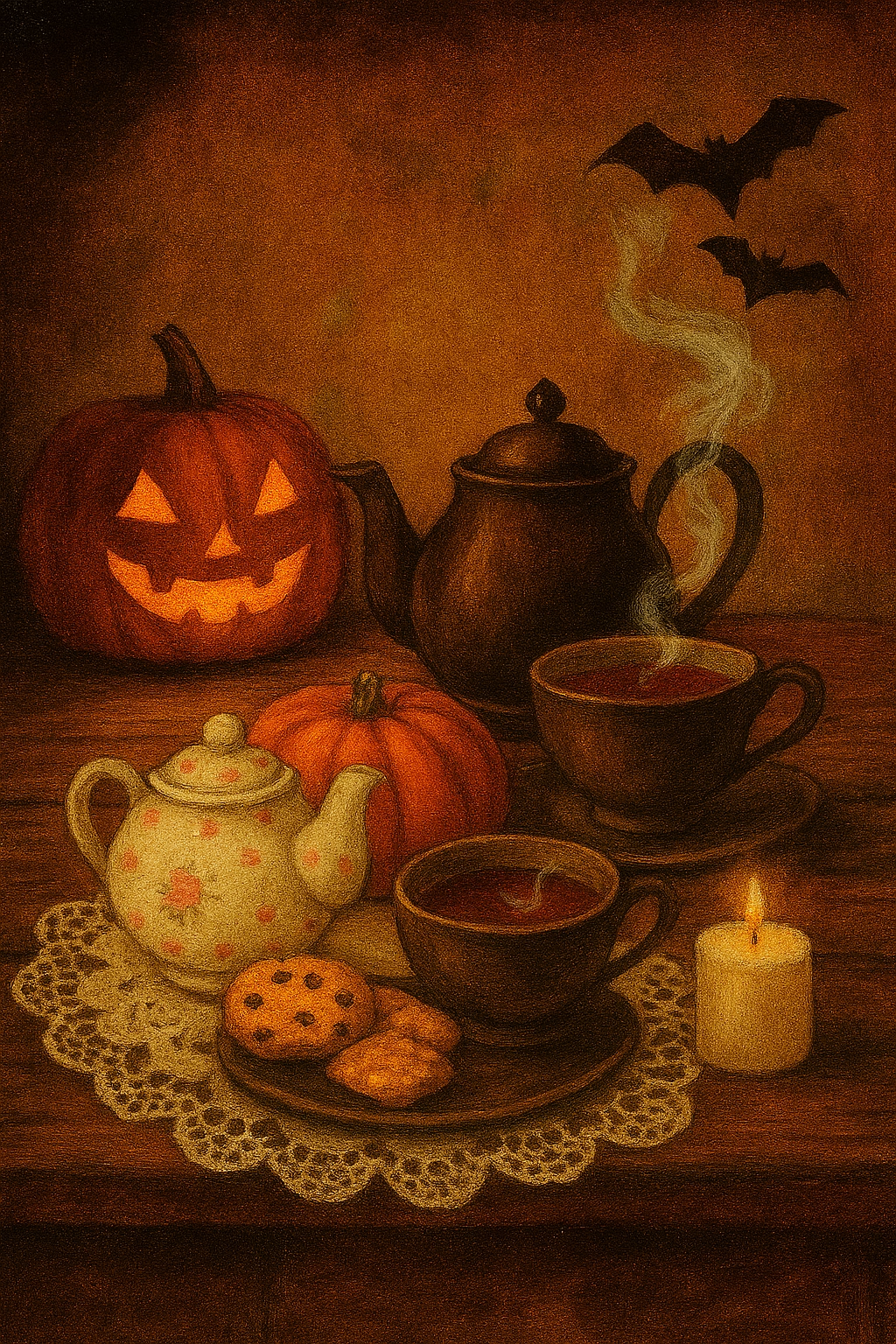
Spooky Halloween Tea Time RSVP
Spooky Halloween Tea Time Fine Art Mysteries Edition Friday, October 31 · 12:00 PM New Hope Church · Williston, ND $10 per child A Cozy, Curious Way to Celebrate Halloween This Halloween, skip the sugar rush and join us for a gentle, mystery-themed tea time designed for sensitive families and curious minds. Inspired by Tea Time Together’s Fine Art Mysteries Week, this gathering blends cozy treats, creative play, and a touch of spooky charm. Whether your child loves dressing up, solving puzzles, or simply sipping tea with friends, this event offers a safe, welcoming space to celebrate the season. What’s Brewing Seasonal tea and gentle snacks Mystery-themed activities and clues to explore Space for connection, creativity, and cozy conversation A chance to wear your favorite costume—spooky, sweet, or artful RSVP Now Spots are limited, and we’d love to prepare with your child in mind. Why Families Love It Emotionally safe and inclusive No loud scares or overstimulation Thoughtfully curated for sensitive kids A calm, creative alternative to traditional Halloween chaos

Sensitive Kids Thrive in Chaos—Here’s How to Help Them Feel Safe
- Affirmations for Sensitive Families, - Cozy Tools for Sensitive Families, - Highly Sensitive Motherhood, - Highly Sensitive Parenting, - Intentional Living for Sensitive Moms, - Parenting Sensitive & Gifted Kids, - Sensitive & Neurodivergent Kids, - Sensitive Family Life, Emotional Safety for Sensitive Families, Resources for Sensitive Families, Sensitive Kids, Supporting Sensitive Kids, Wellness for Sensitive Moms
Sensitive Kids Thrive in Chaos—Here’s How to Help Them Feel Safe Anyway A counterintuitive guide for parents and sensitive adults who regulate through noise, mess, and movement—and what to do when it works… until it doesn’t Let’s start with the plot twist:Sensitive kids—and yes, sensitive adults too—don’t always melt down in chaos. Sometimes, they seek it. They build forts in laundry piles, hum louder when the room gets noisy, and somehow find joy in the exact moment you’re about to lose it. But here’s the catch: thriving in chaos doesn’t mean sensitive kids feel safe. And when safety’s missing, regulation gets shaky fast. So if your child (or your inner child) seems overstimulated, under-responsive, or emotionally unpredictable, this post is for you. We’re diving into: Why sensitive brains sometimes crave chaos What “feeling safe” actually means (hint: it’s not silence) Brain-based ways to support regulation Amazon-accessible sensory tools that help without shame How to gently support sensitive adults who do the same thing And answers to the most common questions parents ask when chaos feels like the only thing that works Why Sensitive Brains Seek Chaos (and What They’re Really Doing) Here’s the counterintuitive truth:Sensitive kids—and adults—often chase chaos because their nervous system is trying to find regulation, not avoid it. When the world feels unpredictable, their brain craves input. Loud sounds, fast movement, messy play—it’s not defiance. It’s a search for sensory scaffolding. And while it looks like overstimulation, it’s often a sign that their body is trying to self-organize. “Regulation doesn’t always look calm. Sometimes it looks like movement, mess, and music.” → Translation: Sensitive kids aren’t “acting out.” They’re trying to feel safe in a world that feels too big. What “Feeling Safe” Actually Means (for Sensitive Kids and Adults) Safety isn’t silence. It’s predictability. It’s knowing what comes next. It’s having tools to regulate when things get loud, messy, or emotionally intense. For sensitive kids and adults, safety looks like: Clear transitions (even if the day is chaotic) Familiar sensory anchors (weighted blankets, chewy necklaces, calming scents) Emotional co-regulation (your calm voice, your gentle presence) Permission to feel big feelings without punishment or shame → Want to help sensitive kids feel safe? Don’t eliminate chaos. Build predictability inside it. What Thriving in Chaos Looks Like for Sensitive Kids Let’s be honest: it doesn’t always look “thriving.” It looks like noise, mess, movement, and a whole lot of behavior that makes you question your parenting. But here’s what’s actually happening: your sensitive kid’s nervous system is trying to find regulation through stimulation. They’re not trying to ruin your day—they’re trying to survive it. Here’s how it might show up: Sensitive kids sing louder when the room gets loud They chew on sleeves, pencils, or toys during transitions They pace, jump, or spin when they’re supposed to be “settling down” They dump out bins, scatter toys, or create elaborate messes They talk fast, interrupt, or repeat phrases when they’re overwhelmed They hyper-focus on one sensory input (a toy, a sound, a movement) to block out others They seem “fine” in chaos but melt down in quiet, structured moments → These aren’t defiant behaviors. Sensitive kids are using sensory survival strategies. And while it might look like they’re thriving in chaos, they’re often just coping. The real magic happens when we offer safety inside the chaos—not by removing it, but by anchoring it. → Related support: How to Help Sensitive Kids Celebrate Who They Are—Without Apology The Truth About Sensory-Seeking Kids: How to Support Their Behavior That Toy Isn’t a Distraction. It’s a Sensory Survival Tool Sensitive Adults Do This Too (And It’s Not Immaturity) Here’s the twist: many sensitive adults seek chaos to regulate—just like sensitive kids. It might look like: Turning on loud music while cleaning Overcommitting to projects or social events Creating clutter or multitasking to feel “productive” Avoiding quiet moments because they feel emotionally unsafe → These aren’t bad habits. They’re nervous system survival strategies. If you grew up without emotional safety, chaos can feel familiar—even comforting. But it’s not sustainable. You deserve regulation that doesn’t require overstimulation. → For more gentle adult support, read: Tired but Wired? Signs of High Cortisol in Women—and How to Lower It Gently The Gentle Reset: How to Recalibrate When You’ve Lost Your Spark How to Feel Good Again—Without Changing Your Whole Life Sensory Tools That Help Sensitive Brains Feel Safe (Even in Chaos) These Amazon picks aren’t just “fun tools.” They’re nervous system anchors—emotionally safe, discreet, and meltdown-approved for sensitive kids and adults alike. Weighted Lap Pad Chewelry Necklace Noise-Dampening Headphones Lavender Roll-On Compression Socks → Related support: This Simple Sensory Setup Changed Everything—Here’s How We Use It The Sensory Breakthrough That Changed Our Days—After Years of Struggle The Sleep Hack I Never Saw Coming in a Space Toy Tools That Support Chaos-Friendly Regulation These partners offer structured stimulation, emotional scaffolding, and sensory-safe learning environments—perfect for sensitive kids who thrive in movement and mess. MEL Science Training Aliens Fun and Function All About Learning Press, Grammar Galaxy, Logic of English, Pandia Press, Honest History → Explore more in my ShopMy Autism Support Favorites and Layered Texture: Sensory-Friendly Workspace Essentials Brain-Based Tips That Actually Help (Without Overhauling Your Life) You don’t need a therapy degree. You need a few gentle shifts that help sensitive kids feel safe enough to regulate: Narrate transitions out loud Offer choices inside structure Use sensory anchors during chaos Validate feelings before redirecting Build rituals that feel safe → These aren’t just calming strategies. They’re nervous system scaffolding for sensitive kids and adults alike. FAQ: Sensitive Kids, Chaos, and Regulation Is it normal for sensitive kids to thrive in chaos?Yes—many sensitive kids seek sensory input to regulate. Chaos can feel familiar, but it doesn’t always mean they feel safe. How do I know if my child is sensory-seeking?Look for behaviors like chewing, jumping, humming, or dumping toys during transitions. These are signs their body is trying to self-organize. What sensory tools actually help?Weighted lap
Tired but Wired? Signs of High Cortisol in Women—and How to Lower It Gently
Cortisol Is Not the Enemy—But Mine Definitely Needs to Chill Signs of High Cortisol in Women (and How to Gently Lower It Without Becoming a Wellness Monk) Let’s start here: if you’ve ever Googled “Why am I so tired but wired?” while eating peanut butter off a spoon in the dark, this post is for you. Because here’s the thing—your body isn’t broken. It’s just trying to keep up with the chaos. And sometimes, it does that by pumping out cortisol like it’s handing out flyers at a stress convention. So, let’s talk about it: What cortisol actually is The most common signs of high cortisol in women (spoiler: it’s not cute) And how to gently, practically, non-overwhelmingly help your body chill out Wait, What Even Is Cortisol? Cortisol is your body’s main stress hormone. It’s like your internal alarm system—designed to help you survive danger, meet deadlines, and occasionally lift a car off a toddler (thanks, adrenaline). But when cortisol stays high for too long—because life is loud, motherhood is relentless, and your nervous system hasn’t had a nap since 2017—it starts to cause problems. And those problems often show up as subtle but persistent signs of high cortisol. Signs of High Cortisol in Women (Real-Life Edition) Forget the textbook symptoms. Here’s how high cortisol shows up in actual women with actual lives: You wake up tired but can’t fall asleep at night Your brain feels like a browser with 47 tabs open You cry when the dishwasher breaks You snap at your kids, then spiral into guilt You crave sugar, salt, and silence Your belly feels bloated no matter what you eat You feel like you’re constantly bracing for impact You forget words mid-sentence and wonder if you’re losing it Sound familiar? These are the everyday signs of high cortisol—and they’re your body’s way of asking for help. Is Your Cortisol Quietly Screaming? (Mini Self-Check) Take a breath and scan this list. How many feel true today? I wake up tired but wired I feel overwhelmed by small tasks I crave sugar, salt, or caffeine constantly I feel emotionally fragile or snappy I forget words mid-sentence I feel bloated even when I eat “clean” I feel like I’m always bracing for something → Score 3 or more? You’re likely experiencing signs of high cortisol. Let’s help it calm down. What Happens When Cortisol Stays High Too Long Here’s a gentle timeline of what chronic stress can do: Week 1: Poor sleep, racing thoughts, wired energy Week 2: Brain fog, cravings, irritability Week 3+: Belly fat, burnout, emotional dysregulation Month 2+: Hormonal imbalance, immune issues, anxiety, exhaustion → These are progressive signs of high cortisol—and the good news is, you don’t need a full lifestyle overhaul. You just need small, consistent shifts that help your body feel safe again. What Helps Lower Cortisol Naturally? Let’s keep this simple, doable, and emotionally safe. These are the tools I reach for when I feel crispy around the edges—especially when signs of high cortisol start stacking up: Mito Red Light Therapy Gentle red light exposure helps regulate your circadian rhythm, reduce inflammation, and calm your nervous system. I use mine for 10 minutes in the morning while sipping tea.→ Shop Mito Red Light Magnesium Glycinate Magnesium is a cortisol-calming mineral that supports sleep, muscle relaxation, and emotional regulation. Glycinate form is gentle and non-laxative.→ Shop Magnesium Glycinate on Amazon Breathwork & EFT Apps Even five minutes of guided breathwork or tapping can lower cortisol fast. I love the Tapping Solution app and Othership for nervous system support. Protein-Rich Snacks Blood sugar crashes spike cortisol. I keep Chomps sticks, nut butter packets, and hard-boiled eggs on hand to stay steady.→ Shop Chomps on Amazon Adaptogens That Help Moms Regulate Ashwagandha, tulsi, and reishi are my go-tos. They don’t sedate—they recalibrate.→ These Adaptogens Help Moms Regulate, Focus, and Actually Sleep—Without a Wellness Retreat How to Gently Lower Cortisol (Without Overhauling Your Entire Life) You don’t need a silent retreat or a $300 supplement stack. You need doable, nervous-system-friendly shifts that actually fit your life—especially when signs of high cortisol are starting to interfere with sleep, mood, and focus. Eat before you’re ravenous Stop hustling through exhaustion Swap intense workouts for gentle movement Go to bed before you’re wired Say no more often→ Explore: Gentle Exercise Ideas That Help Families Focus and Regulate Your Gentle Cortisol Recovery Toolkit Here’s what I reach for when I need to feel like a person again—especially when signs of high cortisol are creeping in: Adaptogens help moms regulate stress without sedation Magnesium and red light therapy for sleep support Herbal teas that feel like emotional scaffolding Breathwork and EFT for emotional regulation Protein-rich snacks to keep blood sugar steady→ Read: Red Light Therapy Changed My Energy, Skin, and Sanity→ Read: Fall Rituals for Sensitive Souls: How to Feel Good Real-Life Testimonial “I didn’t realize my constant bloating and brain fog were stress-related. Once I started eating regularly and added tulsi, I felt like I could exhale again.” → Want more gentle support stories? Read: The Gentle Reset: How to Recalibrate When You’ve Lost Your Spark Feeling Burned Out? A Survival Guide for Overstimulated Moms How to Feel Good Again—Without Changing Your Whole Life Final Thoughts from a Tired, Tender Mama You’re not dramatic. You’re not lazy. You’re not failing. You’re just a woman with a nervous system that’s been working overtime—and cortisol that’s trying to keep up. This post isn’t about fixing you. It’s about helping you feel safe enough to exhale. Because when cortisol calms down, everything else gets easier: sleep, digestion, patience, joy. You deserve that. And you don’t have to earn it. Related Posts You’ll Love Hidden Gluten Foods to Watch Out For How to Teach Fall Gently The Autumn Pause: Why Slowing Down Is the Best Thing You’ll Do This Season How to Use Fall Sensory Metaphors to Teach Emotional Literacy Comfortable Fall Capsule Wardrobe: Easy Outfits
These Adaptogens Help Moms Regulate, Focus, and Actually Sleep—Without a Wellness Retreat
Adaptogens for Busy Moms Who Don’t Even Have Time to Sit Down Let’s be real: if you’re a mom, “rest” is a mythical creature you read about once in a parenting book you never finished. Between the snack negotiations, the laundry vortex, and the emotional labor of keeping everyone alive and regulated, your nervous system is basically running a marathon in flip-flops. So, if you’ve ever thought, “I need something that helps me feel human again—but I don’t have time to meditate in a forest or drink mushroom tea out of a handmade mug,” this post is for you. We’re talking about adaptogens—nature’s chill pills (but make it plant-based, non-drowsy, and actually helpful). These herbs and mushrooms are here to support your body’s stress response, boost your energy, and help you feel like yourself again—even if “yourself” is currently buried under a pile of laundry and existential dread. In short, adaptogens help moms regulate, restore, and show up with a little more grace. Wait, What Are Adaptogens? Adaptogens are herbs and mushrooms that help your body adapt to stress. They don’t sedate you, and they don’t hype you up—they just help your body find balance. Think of them as emotional scaffolding for your nervous system. They work by regulating your HPA axis (that’s the fancy system that controls your stress hormones like cortisol), helping you stay grounded, focused, and less likely to cry in the pantry. That’s exactly how adaptogens help moms—by offering gentle, non-invasive support when everything feels loud and heavy. Gentle Reminder: I’m not a healthcare professional—just a tired mom with a label-reading habit and a passion for nervous system support. Always check with your provider before adding new supplements, especially if you’re pregnant, nursing, or managing a medical condition. The Top Adaptogens for Moms Who Are Just Trying to Function These are the adaptogens I reach for when I’m running on fumes, haven’t sat down in six hours, and need to feel like a person again. They’re all available on Amazon because—let’s be honest—none of us are trekking to a specialty herb shop with toddlers in tow. Adaptogens help moms by meeting us where we are: overstimulated, under-rested, and craving something that actually works. Quick-Scan Comparison: Which Adaptogen Does What? If you’re standing in your kitchen wondering which bottle to grab while someone’s yelling about socks, here’s the fast-track guide: Ashwagandha Best for: Stress and overwhelm Energy vibe: Calming, grounding Use it: In cycles—6–8 weeks on, then take a break Try: Gaia Herbs Adrenal Health (includes holy basil too) → Adaptogens help moms regulate cortisol, and ashwagandha is the queen of calm. Rhodiola Best for: Mental clarity and stamina Energy vibe: Gentle boost without the crash Use it: 5 days on, 2 days off is a common rhythm Try: TruWild Adaptogen Blend → Adaptogens help moms stay focused when brain fog hits hard. Holy Basil (Tulsi) Best for: Mood swings and emotional regulation Energy vibe: Soft, heart-opening calm Use it: Daily is fine for most people Try: Organic India Tulsi Capsules → Adaptogens help moms feel emotionally safe and steady. Reishi Mushroom Best for: Sleep support and immunity Energy vibe: Deep calm, especially at night Use it: Daily, especially during stressful seasons Try: Four Sigmatic Reishi Elixir → Adaptogens help moms sleep like actual humans—not haunted raccoons. Schisandra Best for: Focus, liver support, and emotional resilience Energy vibe: Balanced and clarifying Use it: Often blended with other herbs—best in cycles Try: St. Francis Herb Farm Strest Tincture → Adaptogens help moms reclaim clarity when everything feels scrambled. How You’ll Feel (Real Mom Edition) After two weeks of taking ashwagandha, I didn’t feel “fixed.” I just felt less like I was constantly bracing for impact. My shoulders dropped. I laughed more. I didn’t cry when the dishwasher broke. Rhodiola made me feel like I could finish a sentence without forgetting what I was saying halfway through. Reishi helped me sleep like a human instead of a haunted raccoon. Adaptogens help moms not by changing our lives overnight—but by softening the edges so we can show up with more capacity and less panic. Busy Mom Adaptogen Starter Pack Want to keep it simple? Here’s a gentle bundle to start with: Gaia Herbs Adrenal Health – Ashwagandha + holy basil Four Sigmatic Reishi Elixir – Cozy nighttime support Organic India Tulsi Capsules – Easy daily mood support All gentle. All easy to take. All available on Amazon. Because adaptogens help moms best when they’re accessible and low-maintenance. How to Use Adaptogens Without Adding Stress Let’s keep this simple—because if it feels like another chore, it’s not helping. Start small. One capsule or tincture in the morning is enough. Be consistent. Adaptogens help moms most when taken regularly—not just during meltdowns. Take breaks. Some adaptogens (like ashwagandha and rhodiola) are best used in cycles. Try 6–8 weeks on, then pause for 1–2 weeks. Or go with the classic 5-days-on, 2-days-off rhythm. Rotate based on your needs. Feeling wired? Reach for reishi. Feeling foggy? Try rhodiola. Listen to your body. If something feels off, pause and reassess. You’re the expert on your own nervous system. Pair with something cozy. Add to tea, smoothies, or your “five minutes of peace” ritual. Let’s Talk: What Helped You Feel Like Yourself Again? Have you tried adaptogens? What worked for you—and what didn’t? Drop your story in the comments. I’d love to hear what helped you feel more grounded, more energized, or just a little less crispy around the edges. Let’s build a resource together for sensitive, crunchy families who deserve support that actually fits. Because adaptogens help moms—but community helps even more. Related Posts You’ll Love If this post made you exhale, you’ll love these gentle reads: Hidden Gluten Foods to Watch Out For Red Light Therapy Changed My Energy, Skin, and Sanity The Gentle Reset: How to Recalibrate When You’ve Lost Your Spark Fall Rituals for Sensitive Souls: How to Feel Good Comfortable Fall Capsule
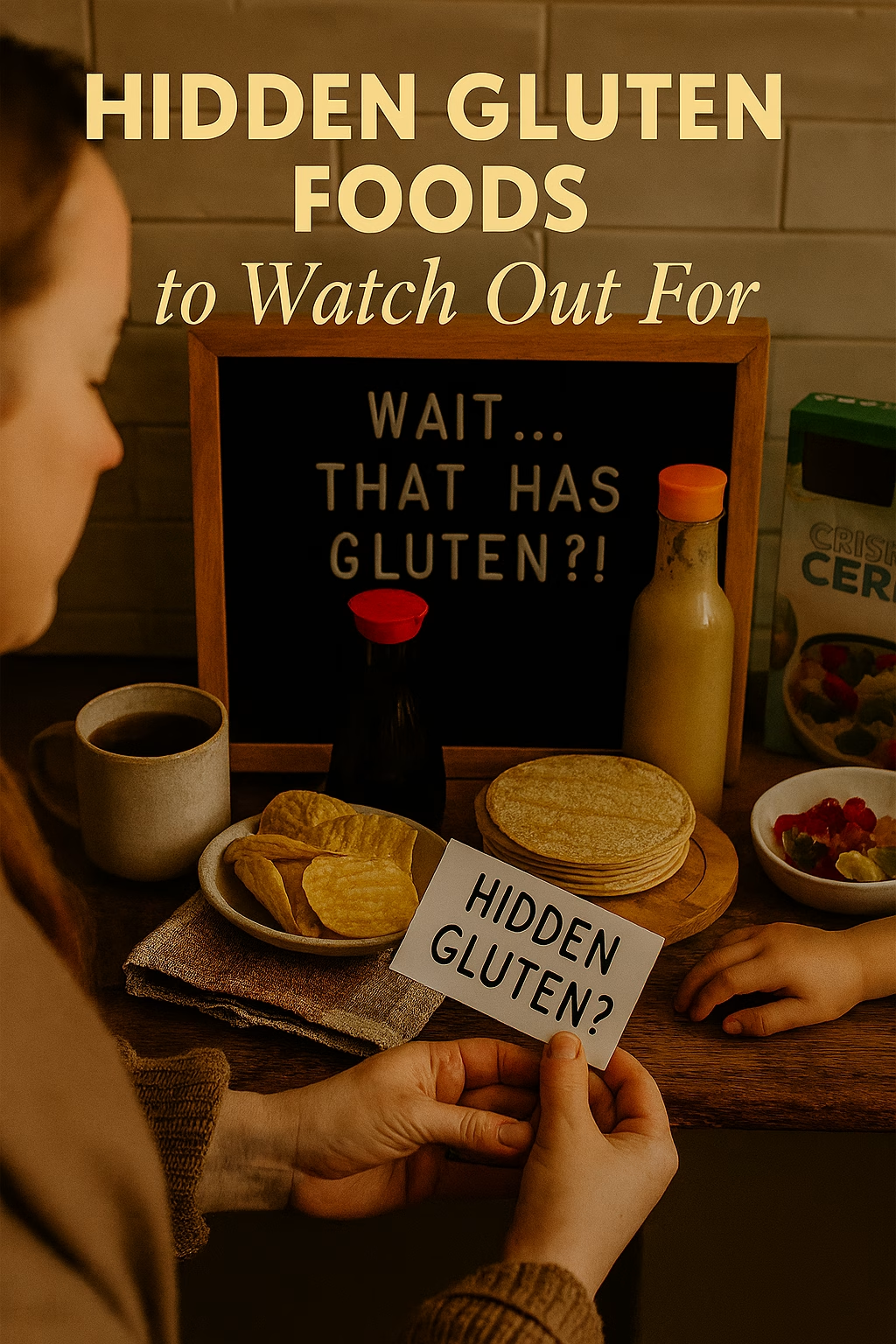
Hidden Gluten Foods to Watch Out For
Wait… That Has Gluten?! Hidden Gluten Foods You’d Never Suspect (And What to Use Instead) Let’s be honest: when you first go gluten-free, you expect to say goodbye to bread, pasta, and maybe that one rogue donut you were emotionally attached to. But then you realize gluten is basically the nosy neighbor of the food world—showing up uninvited in places it absolutely does not belong. I’m talking about soy sauce. Potato chips. Salad dressing. Even gummy bears, for crying out loud. So, if you’ve ever been “glutened” by a snack that looked innocent, this post is for you. I’m breaking down the Hidden Gluten Foods that sneak into your pantry, the ones that shouldn’t but do, and the gentle swaps that actually taste good (and yes, they’re all on Amazon because mama doesn’t have time to chase down obscure brands at four different grocery stores). First, the Usual Suspects: Foods That Commonly Contain Gluten Let’s start with the obvious ones—because sometimes we forget how deep the gluten rabbit hole goes: Bread, pasta, crackers, baked goods Flour tortillas, biscuits, pancakes, waffles Beer, malt vinegar, and anything made with barley Seitan (aka condensed gluten in disguise) Most cereals (especially those with malt or barley) Roux-thickened soups and sauces Play-dough (yes, really—watch those tiny hands!) These are the foods we expect to dodge. But what about the Hidden Gluten Foods that sneak in under the radar? The Sneaky Gluten Offenders You’d Never Expect Here’s where things get spicy. These Hidden Gluten Foods look safe. They sound safe. But they’re not. Soy Sauce – Most brands are brewed with wheat. Potato Chips – Some are dusted with malt vinegar or wheat starch. Salad Dressings – Hidden gluten in malt vinegar, soy sauce, or modified food starch. Corn Tortillas – My first surprise gluten attack came from one of these! Some brands sneak in wheat flour for pliability. Corn Flakes & Crisp Rice Cereals – Often contain barley malt. Veggie Burgers & Meat Alternatives – Many use wheat gluten for texture. Gummy Bears – Haribo uses wheat-based syrup in some varieties. Flavored Nuts & Trail Mixes – Seasonings may include wheat flour or barley. Pre-shredded Cheese – Anti-caking agents can contain gluten. Imitation Crab Meat – Often made with wheat starch. Soup Mixes & Bouillon Cubes – Roux, thickeners, or barley sneak in. These Hidden Gluten Foods are the ones that catch you off guard—and they’re why label-reading becomes a survival skill. Quick Reference: Hidden Gluten Foods Cheat Sheet If you’re scanning labels, here are some red flags to watch for in Hidden Gluten Foods: Malt (malt vinegar, malt extract, barley malt) Wheat starch or hydrolyzed wheat protein Modified food starch (unless labeled gluten-free) Brewer’s yeast Soy sauce (unless labeled gluten-free or tamari) Seitan Barley, rye, triticale “Natural flavors” (can be vague—check with the brand) Gentle Gluten-Free Swaps That Actually Taste Good These aren’t sad substitutes. They’re glow-up swaps that support your body and your sanity. Instead of Soy Sauce Coconut Aminos – Gluten-free, soy-free, and gently sweet Tamari – Same umami flavor, no wheat Liquid Aminos – Gluten-free and great for stir-fries Instead of Sketchy Chips Jackson’s Sweet Potato Chips – Cooked in coconut oil, gluten-free Siete Grain-Free Tortilla Chips – Made with cassava and avocado oil Lesser Evil Paleo Space Balls – Crunchy, clean, and kid-approved Instead of Glutened Cereal Purely Elizabeth Granola – Gluten-free and full of texture Three Wishes Cereal – High protein, no wheat Nature’s Path Organic Corn Flakes – No barley malt Instead of Gummy Bears Black Forest Organic Gummies – Certified gluten-free YumEarth Organic Fruit Snacks – Safe and sweet Instead of Mystery Dressings Primal Kitchen Dressings – Clean, gluten-free, and flavorful Tessemae’s Organic Vinaigrettes – No gluten, no junk DIY with olive oil, lemon, and herbs—because sometimes simple wins My First Gluten Surprise (And Why It Still Haunts Me) I’ll never forget the day I got glutened by a corn tortilla. CORN. TORTILLA. I thought I was safe. I was trying to be careful. But that brand had snuck in wheat flour for texture, and my body let me know immediately. It was the moment I realized gluten hides in places you’d never expect—and that Hidden Gluten Foods are real, sneaky, and sometimes emotionally devastating. If you’ve had a similar experience, you’re not alone. And you’re not crazy. That bloating, brain fog, or skin flare-up? It might be gluten. And it might be hiding in your “safe” foods. Related Posts You’ll Love If this post made you exhale, you’ll love these gentle reads: Red Light Therapy Changed My Energy, Skin, and Sanity The Gentle Reset: How to Recalibrate When You’ve Lost Your Spark Fall Rituals for Sensitive Souls: How to Feel Good How to Build a Gentle Homeschool Rhythm This Fall (That Actually Works) The Sleep Hack I Never Saw Coming in a Space Toy How to Feel Good Again—Without Changing Your Whole Life Top Gluten-Free Snacks for Kids That They Actually Love How We Finally Enjoyed Vacation with Food Allergies—No Stress, Just Magic Have You Been Glutened by a Hidden Gluten Food? Mine was a corn tortilla. I still remember the betrayal. Drop your story in the comments—I’d love to hear what surprised you most. Let’s build a list together and help other sensitive families feel safer. Let me know if you’d like a printable version of the cheat sheet or a cozy email opt-in to go with it. We can also build a seasonal landing page for fall wellness and pantry clarity.