
The Toothbrush That Ended Our Bedtime Battles (And Made My Sensory Kid Beg to Brush His Teeth) There are parenting battles you expect—tantrums over screen time, snack negotiations, the occasional “I hate broccoli” protest. And then there are the ones that blindside you. For us, it was brushing teeth. Every night, Nolan would melt down. Not the whiny kind. The full-body, fight-or-flight, sobbing-on-the-floor kind. I tried everything: silly songs, flavored toothpaste, brushing my own teeth first, letting him choose the toothbrush. Nothing worked. And honestly? I started to dread it. Not because I didn’t care—but because I did. I hated seeing him so distressed over something so small. But it wasn’t small to him. It was sensory overload in minty disguise. If your mornings start like this too, you might find comfort in How to Recover When the Day Starts in Meltdown Mode—a gentle guide for those “I can’t do this” days. The Invisible Struggle At the time, Nolan wasn’t talking much. So he couldn’t say, “This hurts,” or “I hate the way it feels.” But his body said it loud and clear. He’d clamp his mouth shut. Flinch at the bristles. Gag on toothpaste. Run away the second he saw me holding the brush.I thought I was failing him. I wondered if I was too soft. Too strict. Too tired. I googled “how to get autistic kids to brush their teeth” so many times my search history looked like a dental anxiety support group.But here’s what I missed: it wasn’t about behavior. It was about sensation.If you’re navigating similar challenges, The Best Morning Routine for Kids with Sensory Processing Challenges might help you build a rhythm that actually works. The Day Everything Changed One night, after yet another failed attempt, I stumbled across this U-Shaped Electric Toothbrush for Kids. It looked like a cartoon dinosaur and promised “360-degree cleaning,” which sounded suspiciously like marketing fluff. But I was desperate. So I ordered it. And Nolan? He loved it. I mean, loved it. As in, he wanted to brush his teeth five times a day. As in, I had to hide it so he wouldn’t drain the battery before bedtime. As in, he tried to bring it with him to the park like it was a prized possession. I had to explain—gently but firmly—that while it looks like a toy, it’s not exactly playground-approved. I didn’t even have to remind him anymore. He reminded me. Why It Worked (And Why It Matters) This toothbrush didn’t just clean his teeth—it gave him control. It felt gentle. It looked fun. It didn’t trigger his sensory alarms. And most importantly, it helped him feel safe. That’s the real win here. Not just fewer meltdowns, but more trust. More autonomy. More peace in our daily rhythm. And for me? Less guilt. Less dread. More space to breathe. I used to lie awake wondering if I was failing him. But this tiny toothbrush reminded me: sometimes the right tool is the strategy. If you’ve ever been told your child couldn’t—or wouldn’t—do something, Little Letters, Big Spirit is for you. It’s a story about quiet strength, unexpected breakthroughs, and the kind of growth that proves every child is more than a diagnosis. Josie Wanted One Too And because sibling dynamics are never boring, Josie—our sensory-seeking whirlwind—immediately tried to steal it. She declared it “so squishy and fun” and demanded her own. So now we have two. Because apparently toothbrush envy is real. If you’re supporting multiple sensory profiles, The Truth About Sensory-Seeking Kids offers practical ways to meet their needs without losing your mind. If Brushing Teeth Feels Like a Battle… …maybe it’s not about behavior. Maybe it’s about sensation. If your child resists brushing, gags on toothpaste, or turns into a tiny tornado at bedtime, this might be the tool that turns it all around. It’s not magic—but it feels like it. Here’s a quick sensory checklist to help you decide: Does your child… Gag on toothpaste? Cry when brushing? Refuse to open their mouth? Prefer vibration over scrubbing? Get overstimulated by bristle texture? If you nodded to any of these, this toothbrush might be your new bedtime MVP. You can grab the exact one we use right here. It’s affordable, waterproof, and comes with extra heads—which is great, because your kid might wear it out from sheer enthusiasm. A Mama Moment You Deserve And when I say “peace,” I mean the kind you sip slowly, in silence, while the kids are momentarily occupied and no one’s asking for snacks. That’s when I reach for my favorite Art of Tea blend—because autism mamas deserve rituals that refill our cups, too. Whether it’s a floral oolong or a cozy rooibos, there’s something about steeping a beautiful tea that reminds me I’m still a person. Not just a caregiver. Not just a crisis manager. A whole human who needs gentleness, too. If you’re craving a ritual that’s just for you, Turn Tea Time into a Weekly Ritual of Beauty might be the gentle nudge you need. And if you’re feeling burned out, Feeling Burned Out? A Survival Guide for Overstimulated Moms is full of real-life strategies that actually help.

Tea Time Tuesdays: Small Cups, Big Joy
Welcome to Tuesday Tea Time Tuesday Tea Time is a gentle, joy-filled gathering where kids sip tea or lemonade, enjoy a few treats, and explore art, music, and poetry together. We use the Tea Time Together™ curriculum to guide our time. It’s designed for ages 6–15, but easily adapts for younger learners. Whether your child wants to fold napkins, count snacks, or dive into big questions about artists and composers, there’s space for them here. Each session includes: A featured painting to observe and discuss A classical music piece to listen to and reflect on A poem read aloud, with optional sharing Tea, lemonade, and seasonal goodies This isn’t a formal class — it’s a chance to slow down, connect, and enjoy something beautiful together. How It Works Choose your preferred Tuesday of the month on the sign-up form Let us know if you’d like to attend just this month or join us regularly on your selected Tuesday Sessions last 30–45 minutes A small participation fee helps cover materials and snacks Space is limited to keep things cozy Fill out the form below to reserve your spot. We’ll confirm attendance and send payment details via email. If you opt for recurring attendance, we’ll follow up monthly to confirm availability. We can’t wait to share tea and beauty with you. Tuesday Tea Time FAQ Do I need to sign up every month?Nope! On the form, you can choose to attend just this month or join us regularly on your selected Tuesday. If you opt for recurring attendance, we’ll follow up monthly to confirm availability. How much does it cost?Each session is $10 per child. This helps cover snacks, materials, and preparation time. We aim to keep things cozy and accessible — if cost is a concern, feel free to reach out. What ages is this for?The Tea Time Together™ curriculum is designed for ages 6–15, but younger children are welcome with a caregiver’s support. Activities are flexible and sensory-friendly. Can siblings come too?Absolutely! Just include them on the sign-up form so we can plan snacks and seating. Each child’s fee is $10. What if my child is shy or neurodivergent?We welcome all kinds of learners. Kids can participate in whatever way feels comfortable — observing quietly, folding napkins, counting treats, or sharing reflections. There’s no pressure, just gentle invitation. Where does it take place? We’ll share the location details in your confirmation email. Sessions are held in a cozy, welcoming space with room to move, create, and connect. How long is each session?Each gathering lasts about 30–45 minutes, depending on the group’s pace and energy. What if we need to cancel?Life happens! Just let us know as soon as you can so we can offer the spot to another family.

How We Finally Enjoyed Vacation with Food Allergies—No Stress, Just Magic
- Travel with Food Allergies, Allergy-Friendly Dining, Cruise Life with Kids, Dairy-Free Living, Disney Cruise Tips, Disney Magic Moments, Family Travel Stories, Gentle Parenting on the Go, Gluten-Free Adventures, Neurodivergent Family Life, Parenting with Possibility, Real-Life Wins, Sensory-Friendly Travel
How We Finally Enjoyed Vacation with Food Allergies—No Stress, Just Magic Let’s be honest:Vacation with food allergies—especially multiple ones—isn’t always the relaxing escape it’s supposed to be. Instead of soaking in the sights or savoring new flavors, you’re scanning menus for hidden ingredients, Googling “gluten-free near me” while your kids are melting down, and silently praying the waiter actually understands what “dairy-free” means. And while I genuinely love discovering new gluten-free eats in new places, I also miss the days when I could just… order something fun without needing a spreadsheet. If you’ve ever felt that way—exhausted by the planning, the stress, the constant vigilance—I have a secret for you. It’s the most magical place on the ocean.And it changed everything for our family. The Ultimate Food-Allergy-Friendly Vacation: A Disney Cruise Last year, we sailed for five nights on the Disney Magic, and I’m not exaggerating when I say:It was the most relaxing, joyful, and delicious vacation with food allergies we’ve ever had. Here’s why this trip was a total game changer for us—and why it might be for you too: Every menu is clearly labeled with allergy symbols—no guesswork, no awkward questions, no stress The servers are trained and incredibly accommodating—they remember your allergies and go above and beyond to make sure you feel safe and seen You can pre-request anything—gluten-free pancakes, waffles, eggs Benedict (yes, really!) You can even say “surprise me”—and they’ll bring you safe, delicious options you didn’t even know existed There’s always something safe and yummy nearby—from buffets to quick bites to dessert carts Real-Life Magic: What We Ate (and Loved) On one impromptu afternoon, I grabbed fries from the buffet, added garlic aioli, and topped it with schwarma meat.It wasn’t on any menu.It wasn’t planned.It was incredible. And yes—they even have gluten-free ice cream cones. Josie discovered this on day one and never looked back.She had cone after cone, grinning ear to ear, and kept saying, “I can have as many as I want!”For her, that was the game-changer.Not just the treat—but the freedom. Every meal felt like a warm hug.Even when I didn’t know what I wanted, I could say, “Surprise me,” and trust that what arrived would be safe, delicious, and thoughtfully prepared. Rotational Dining = Personalized Magic Disney Cruise Line uses something called rotational dining, where you visit different themed restaurants each night.But here’s the twist:If you loved a side dish from one restaurant, you can request it at another.If you’re craving something not on the menu, your server will make it happen. It’s not just allergy-friendly.It’s emotionally safe, deeply accommodating, and joyfully flexible. The servers get to know your family, who stay with you the entire cruise.They remember your preferences.They anticipate your needs.And they make you feel like you belong. One night, Nolan was feeling overstimulated.Our server quietly offered to bring his meal to-go so we could eat in our cabin.No fuss. No judgment. Just kindness. Why This Vacation Was a Game Changer I didn’t have to plan every bite I didn’t have to explain our allergies over and over I didn’t have to worry about my kids feeling left out I got to relax, enjoy, and say “yes” more than “no” For families like ours—where food isn’t just food, it’s a daily source of stress—this kind of vacation with food allergies is more than magical.It’s liberating. If your days often start in meltdown mode or you’re navigating sensory overwhelm before breakfast, you might love this post: How to Recover When the Day Starts in Meltdown Mode And if you’re raising a sensory-seeking child who craves movement, texture, and novelty, this one might speak right to your heart: The Truth About Sensory-Seeking Kids: How to Support Their Behavior What Helped Us Feel Prepared (Without the Overwhelm) Before we left, I packed a few things that helped us feel grounded and supported—especially with food allergies in the mix. Nothing over-the-top. Just small comforts that made a big difference. I brought along familiar allergy-friendly snacks for the kids (just in case we had a long excursion or a late-night craving), a soft sensory-friendly blanket for downtime on deck, and a small insulated pouch that doubled as a snack station for Josie, and gentle, unscented wipes gave me peace of mind These weren’t just “packing hacks.” They were emotional safety nets. And they helped us show up with more ease, more joy, and way less stress. If you’re planning a homeschool trip or just want to avoid the chaos we once packed, here’s what we learned the hard way: Homeschool Packing Mistakes We’ll Never Make Again—Thanks to These 17 Essentials And if you’re looking for gluten-free snacks that actually pass the kid test, this list might save your sanity: Top Gluten-Free Snacks for Kids That They Actually Love A Note to Parents Who Feel Stuck If you’re reading this while packing safe snacks and wondering if vacation is even worth it—I see you. I know the exhaustion.The constant planning.The fear of getting it wrong. But I also know this:There is a way to travel that feels safe, joyful, and validating.There is a vacation with food allergies that doesn’t feel like a compromise. A Disney Cruise might just be the best-kept secret for families like ours.And if you’ve never considered it before, I hope this post opens that door. Because you deserve a vacation that feels like a deep breath.You deserve to be surprised by dessert.You deserve to say “yes” without hesitation. If you’re feeling burned out or overstimulated lately, this post might be the hug you need: Feeling Burned Out? A Survival Guide for Overstimulated Moms And if you’ve ever wondered what it’s like when everyone in the house is sensitive, this one’s for you: What Happens When Everyone’s Sensitive? A Real-Life Survival Guide to Highly Sensitive Parenting and Emotional Family Life FAQ: Disney Cruise with Food Allergies Can Disney Cruises accommodate multiple food allergies? Yes! Disney Cruise Line is known for its exceptional allergy accommodations. You can note all allergies in your
Curriculum Regret? Here’s How to Reset with Heart and Flexibility
- Emotional Safety in Learning, - Homeschool Mistakes & Lessons Learned, - Homeschooling with Heart, - Inclusive Curriculum Design, - Learning Styles & Adaptation, - Neurodivergent Learning, - Real-Life Homeschooling, - Sensory-Friendly Education, Curriculum Pivots & Planning, Curriculum Regret Stories, Gentle Parenting & Teaching, Homeschool Burnout Recovery, Parenting Through Overwhelm
Curriculum Regret? Here’s How to Reset with Heart and Flexibility I’ll just say it: I bought all the curriculum.Classical philosophy? Check. Story of the World? Sure. First Language Lessons and Phonics Pathways? Oh yes—I had visions of my kids speaking French echoing through my living room and tiny scholars sipping tea while reciting Plato. But reality?My kids were bored to tears.I was bored teaching it.And somewhere between diagramming sentences and trying to make phonics feel magical, I realized I wasn’t homeschooling my kids—I was homeschooling my fantasy self from 2003. Cue the curriculum regret. What Curriculum Regret Really Feels Like It’s not just buyer’s remorse. It’s that sinking feeling when: You spent hours researching… but not the right things You chose based on your learning style, not your child’s You’re halfway through the year, and everyone’s burned out You’re forcing a curriculum that “should” work… but doesn’t And let’s be honest: it’s not just the kids melting down. It’s us, too—wondering if we failed, if we wasted money, if we’re cut out for this. If your mornings start in meltdown mode, you’re not alone. I wrote about that exact spiral in How to Recover When the Day Starts in Meltdown Mode—because sometimes the curriculum isn’t the only thing unraveling. But here’s the truth: curriculum regret doesn’t mean you’re doing it wrong. It means you’re paying attention. The Day I Almost Gave Up I remember one morning when I was desperately trying to teach grammar, and all my kids would do was fight with each other because they were so bored, and I was just… frozen. Every day was ending in tears. No one was enjoying learning—and I left the room crying, wondering if trying to homeschool was really something I would be able to do. I had spent hundreds of dollars and hours planning, and still, no one was thriving. That was the day I almost gave up. But instead, I paused, cried a little, and asked myself: What if the curriculum isn’t broken? What if it’s just not ours? That moment changed everything. Do You Have Curriculum Regret? Take This 60-Second Check-In Let’s find out. If you nod along to 3 or more of these, you’re in good company. You dread opening the curriculum binder Your child zones out, cries, or resists daily lessons You feel guilty for not “sticking with it” You chose based on reviews, not your child’s actual needs You’re teaching how you would learn—not how they do You’ve Googled “how to switch homeschool curriculum” more than once this month If that’s you? You’re not failing. You’re evolving. Why Your Curriculum Flopped (and Why That’s a Good Thing) When I started homeschooling, I thought rigor = results. Classical education felt noble, structured, and smart. But I forgot one tiny detail: my kids aren’t mini versions of me. Nolan needed sensory input, movement, and emotional connection Josie craved play, rhythm, and freedom to explore And I needed something that didn’t make me dread Monday mornings So yes, I had curriculum regret—but it was the best thing that could’ve happened. Because it forced me to ask better questions: What lights my kids up? What makes learning feel safe, fun, and meaningful? What do I need to stay engaged and emotionally present? If you’re parenting a sensory-seeking child, The Truth About Sensory-Seeking Kids might help you decode the behaviors that traditional curriculum often misses. And if mornings feel like a battle, The Best Morning Routine for Kids with Sensory Processing Challenges is packed with gentle, doable ideas. How to Reset with Heart and Flexibility Here’s your gentle permission slip to pivot. No guilt. No shame. Just real-life strategies that work: 1. Ditch the “shoulds” Just because it’s popular, rigorous, or “researched” doesn’t mean it’s right for your family. If it’s draining your joy, it’s not worth it. If you’re wondering what other families actually use, Popular Homeschooling Methods Explained breaks down the big ones—from Charlotte Mason to eclectic—without the overwhelm. 2. Watch your kids, not the curriculum Are they curious? Engaged? Asking questions? If not, the curriculum might be the problem—not them. We learned this the hard way, and it led us to From Frustration to Focus: Using Learning Styles in Our Homeschool—a game-changer for how we teach now. 3. Try sensory-friendly alternatives Swap worksheets for movement, stories, or hands-on play. For Nolan, acting out spelling words or building math problems with blocks made a huge difference. If you’re new to this approach, Neurodivergent Homeschooling Made Simple is a great place to start. 4. Make small pivots before big purchases You don’t need to overhaul everything. Sometimes, adding music, visuals, or humor can revive a “meh” curriculum. We found unexpected joy in Tea Time Together into a Weekly Ritual of Beauty—a simple way to bring poetry, art, and music into our week without adding stress. 5. Trust your gut You know your kids better than any boxed set. If something feels off, it probably is. And if you’re feeling burned out, Feeling Burned Out? A Survival Guide for Overstimulated Moms might be the hug-in-blog-form you need right now. What I Wish I’d Known Before Buying All the Curriculum That sensory needs matter more than structure That engagement beats rigor every time That burnout isn’t a sign of weakness—it’s a sign to pivot That my kids’ joy is the best progress report That I’m allowed to change my mind—and my methods Gentle Curriculum Swaps That Saved Our Sanity If You’re Using… And It’s Not Working… Try This Instead Phonics Pathways Too dry, too rigid All About Reading – sensory-friendly, story-based First Language Lessons Boring, repetitive Grammar Galaxy – playful, narrative-driven Classical History Overwhelming, abstract Honest history books & magazines – real stories, real voices- Get 10% with my code PRAIRIE10 if you want to try it for yourself! Traditional Math Tears, shutdowns Hands-On Learning at Home – play-based math activities How Cozy Rituals Helped Us Heal from Curriculum Regret Weekly tea time with poetry and music (Turn Tea
How to Recover When the Day Starts in Meltdown Mode
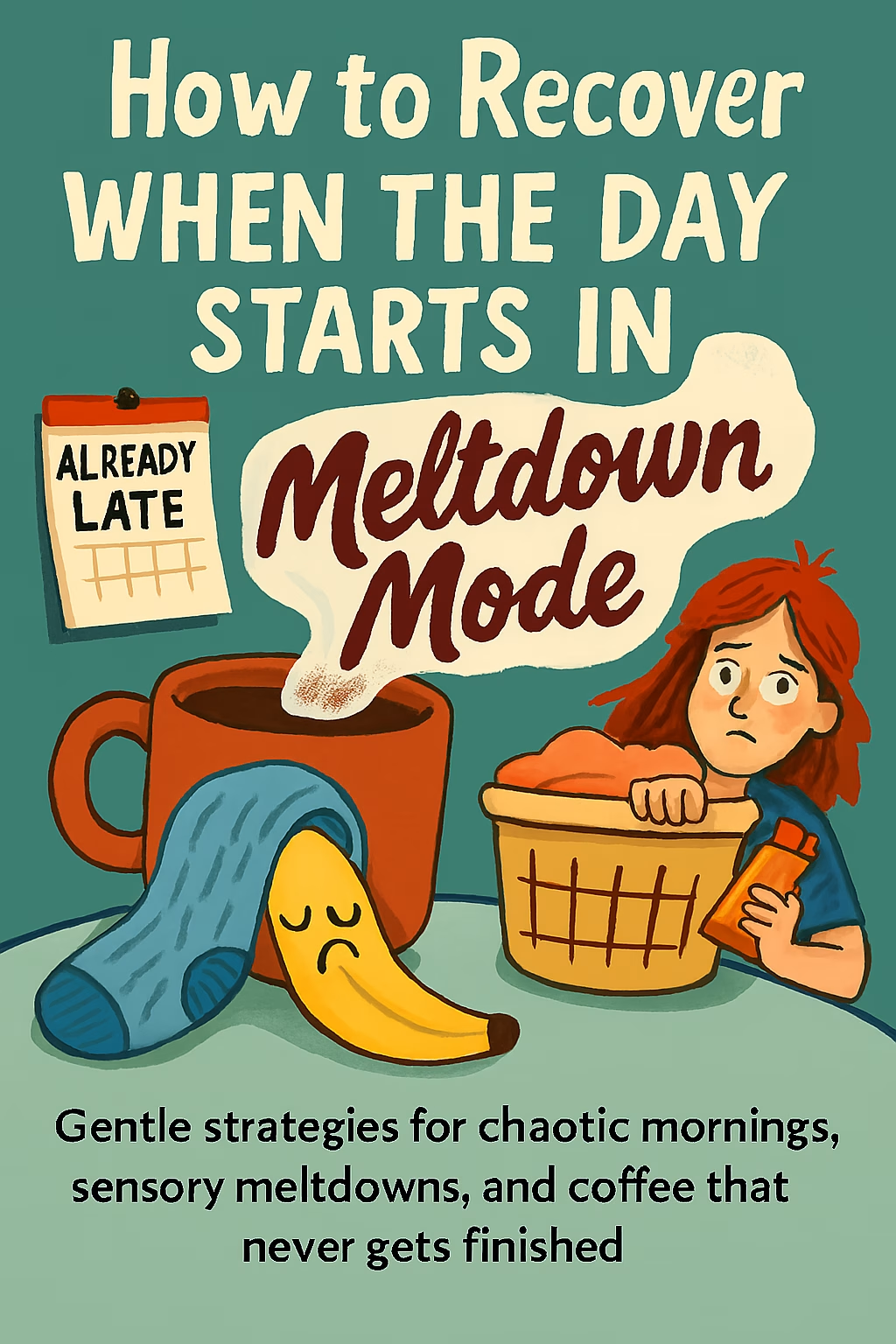
How to Recover When the Day Starts in Meltdown Mode You know the kind of morning.The coffee’s cold, the toddler’s crying because her banana broke wrong, and your sensory-sensitive kid is melting down over socks that “feel spicy.” You glance at the clock and realize you’re already late… and somehow still barefoot. If your day starts in meltdown mode, you’re not failing. You’re parenting. And there’s a way through — not with perfection, but with presence. Let’s talk about how to reset when the routine implodes, the emotions explode, and you’re just trying to make it to 9 a.m. without crying into your cereal. First: Pause the Panic Before you reach for the schedule, the checklist, or the emergency chocolate stash (no judgment), pause.Meltdowns — whether yours or your child’s — are not behavior problems. They’re nervous system overloads. And the fastest way to recover is to regulate before you redirect. Try this: Take three deep breaths. Out loud. Dramatic sighs encouraged. Say one calming phrase: “We’re safe. We can start over.” Offer a sensory tool: a chewy necklace, a weighted stuffie, a song with rhythm. This isn’t about fixing the meltdown. It’s about softening the moment so connection can sneak back in. Need help building a sensory-friendly morning from the ground up? Check out The Best Morning Routine for Kids with Sensory Processing Challenges. Then: Reset the Relationship, Not the Routine Here’s the truth no one tells you:Most routines are built for neurotypical, regulation-ready mornings. Yours? Might need a little more wiggle room. Instead of forcing the original plan, try these micro-pivots: Skip the socks. Let them go barefoot. The world won’t end. Start with movement. Dance party, trampoline, hallway races — anything to release tension. Use humor. “Did the banana betray you again? Should we write it a strongly worded letter?” Meltdown recovery isn’t about getting back on track. It’s about finding a new track that feels safe, doable, and maybe even a little fun. If your child’s behavior feels like a mystery, The Truth About Sensory-Seeking Kids might help decode it with compassion. What Meltdowns Teach Us (Yes, Really) It’s tempting to see meltdowns as setbacks. But they’re actually invitations — to slow down, tune in, and model emotional resilience. When you respond with gentleness instead of urgency, you’re teaching your child: That big feelings aren’t dangerous That connection matters more than control That recovery is always possible, even after chaos And let’s be honest: you’re teaching yourself the same thing. For more on raising kids who defy expectations, read Little Letters, Big Spirit. It’s a love letter to possibility. Tools That Help (and Actually Work) You don’t need a Pinterest-perfect morning basket. You need tools that meet your child’s sensory and emotional needs in real time. Here are a few meltdown-friendly favorites: Sensory Snapshot Tool – helps you understand your child’s triggers, needs, and superpowers Calming playlists – rhythm regulates; silence rarely does Visual schedules with flexibility built in – because “choose your own adventure” beats “stick to the plan” every time Training Aliens – a playful, neurodivergent-friendly social-emotional program that helps kids build regulation and connection skills without shame or rigidity Logic of English – a rhythm-rich, multi-sensory curriculum that supports executive function and emotional regulation, especially on days when focus feels impossible Art of Tea – because meltdown recovery isn’t just for kids. A warm mug of something beautiful is often the soft place we need to land If you’re feeling overstimulated yourself, Feeling Burned Out? A Survival Guide for Overstimulated Moms is a must-read. You Might Be in Meltdown Mode If… You’ve reheated your coffee so many times it’s now legally considered a science experiment Someone’s sobbing over a sock, and spoiler alert: it’s you You’ve declared, “We’re not late, we’re just operating on homeschool standard time” The dog has retreated to its emotional support corner under the table You’ve Googled “how to homeschool from bed” and seriously considered turning your comforter into a curriculum You’ve used a banana as a microphone, a bribe, and a peace offering — all before 8:30 You’ve whispered “I didn’t sign up for this” into a laundry basket You’ve threatened to move into the chicken coop just for the quiet You’ve tried to regulate your own nervous system by hiding in the pantry with a gluten-free granola bar and questionable dignity Love Note to the Parent in the Thick of It Dear parent in meltdown mode:You are not broken. Your child is not broken. This moment is hard, but it’s not the whole story. You’re doing sacred work in the messiest of conditions. And you’re not alone. For those days when everyone’s sensitive, What Happens When Everyone’s Sensitive? is your emotional survival guide. Let’s Keep the Conversation Going What’s your go-to meltdown recovery move?Share it below or on Instagram @Prairieemberadventures— your tip might be the lifeline another parent needs tomorrow morning. And if you’re craving more cozy, heart-centered homeschool support, explore these reader favorites: Neurodivergent Homeschooling Made Simple Homeschool Mom Self-Care That Actually Works (Free Download) Trading Chaos for Calm: How North Dakota Gave Us a New Life Surprise Science: What Happens When You Skip the Curriculum but Not Curiosity Trust, Curiosity, and Connection—This is What Unschooling Really Looks Like
The Best Morning Routine for Kids with Sensory Processing Challenges
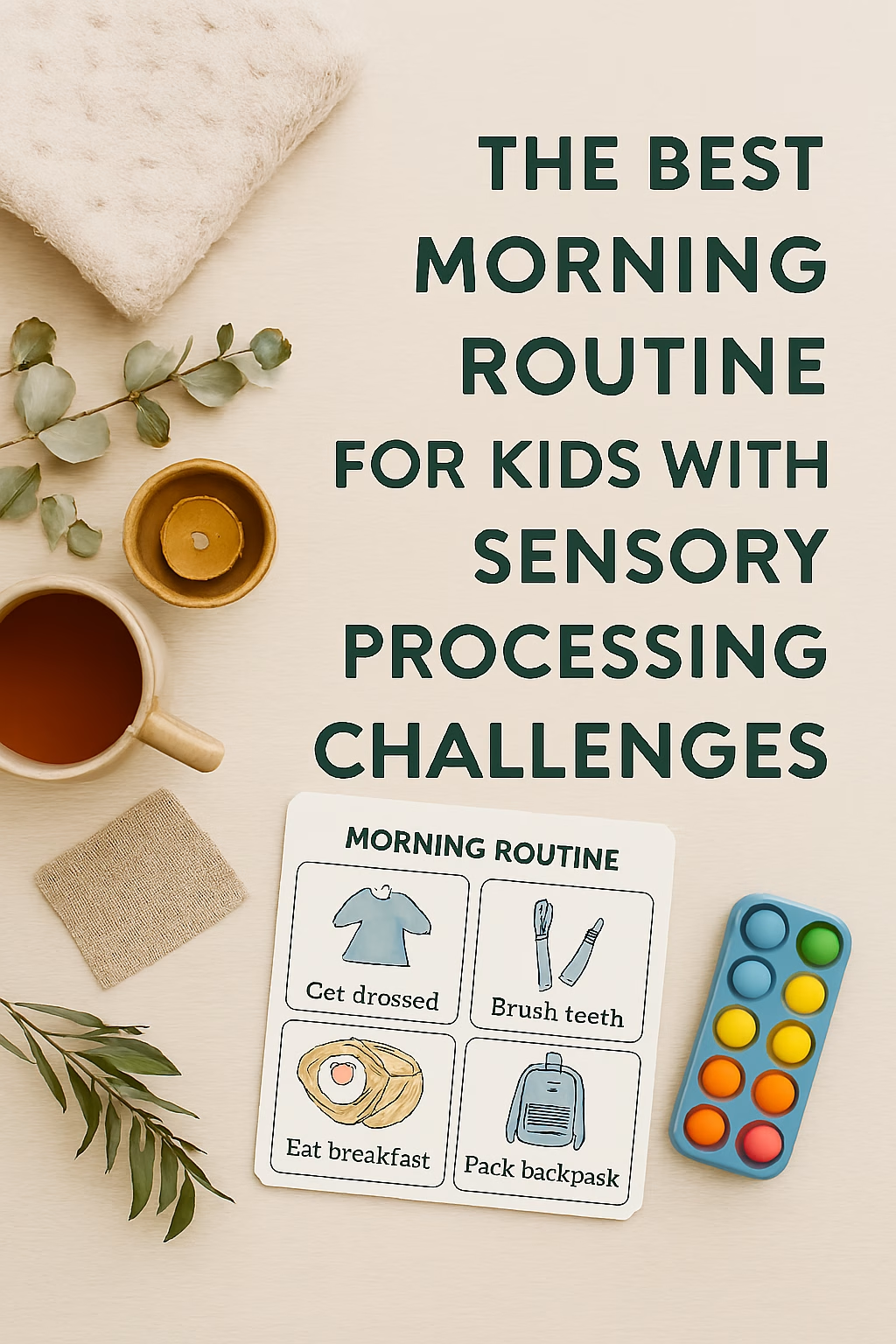
The Best Morning Routine for Kids with Sensory Processing Challenges If mornings feel like a battlefield of socks, cereal, and sensory overload—you’re not alone.For families navigating sensory processing challenges, the first hour of the day can feel like walking a tightrope with no net. But here’s the truth: a sensory-friendly morning routine doesn’t just reduce meltdowns—it builds trust, confidence, and connection. And no, it doesn’t require a color-coded chart or a Pinterest-perfect setup. Why Typical Morning Routines Fail Sensitive Kids Most routines are built for efficiency, not regulation.They assume kids can leap from sleep to stimulation without a buffer. But for children with sensory processing challenges, that transition can feel like being dropped into a tornado. Here’s what often goes wrong: Bright lights and loud voices trigger overwhelm Clothing textures spark discomfort or refusal Rushed transitions spike anxiety Unpredictable steps lead to shutdowns or defiance If you’ve tried sticker charts, timers, or “just get dressed already!” pep talks, you’re not failing—those tools weren’t designed for your child’s nervous system. For more on how sensory-seeking behavior shows up in real life, read The Truth About Sensory-Seeking Kids: How to Support Their Behavior. What a Sensory-Friendly Morning Routine Actually Looks Like Instead of pushing through resistance, this routine invites regulation first.It’s not about doing more—it’s about doing less, with intention. Here’s what changed everything for us: Soft sensory anchors: weighted blankets, dim lighting, gentle music Predictable sequencing: same order every day, visual cues included Movement breaks: jumping, stretching, or animal walks before transitions Clothing choices: pre-approved textures, tagless options, and autonomy Emotional check-ins: “How does your body feel?” before the day begins This morning routine for kids with sensory processing challenges isn’t rigid—it’s rhythmic. It meets your child where they are, not where the clock says they should be. What Most Posts Don’t Tell You Here’s what you won’t find in most blog posts about sensory mornings: Your Calm Is Contagious Before we ask our kids to self-regulate, we have to model it. That might mean waking up 10 minutes earlier to meditate, sip tea, and breathe. It’s not selfish—it’s strategic. Your nervous system sets the tone. We love Art of Tea for their calming morning blends, such as lavender chamomile or rooibos chai—gentle, grounding, and perfect for sensory-sensitive mornings. For more on surviving overstimulation as a parent, read Feeling Burned Out? A Survival Guide for Overstimulated Moms. Bring Nature In Open the curtains for natural light. Play bird sounds or rustling leaves. Use earthy scents like cedarwood or lavender. These cues help reset the nervous system and create a gentle transition from sleep to wakefulness. Want to turn this into a weekly ritual? Try Turn Tea Time into a Weekly Ritual of Beauty: Art, Poetry & Music Made Simple. Sensory Routines Build Skills Predictable steps help kids develop sequencing, memory, and independence. Visual cues like a photo of a packed backpack or a “first-then” chart can turn chaos into clarity. Programs like All About Reading and Grammar Galaxy build on this rhythm beautifully—offering structured, sensory-aware learning that fits right into your morning flow. For more on how we teach history with heart, read A Gentle Way to Teach Big History—Raising Kids Who Ask Better Questions. Visual schedules make a huge difference. We love this large felt board visual schedule — it comes with 109 picture cards, including daily routines, outings, and sensory-friendly tasks. The icons are clear, the board is sturdy, and it’s perfect for homeschool or classroom use. Whether your child is verbal or nonverbal, this tool helps turn chaos into clarity. Words That Regulate “Let’s check in—how does your body feel right now?” “It’s okay to need a minute. I’m here.” “We’re not in a rush. Let’s do one thing at a time.”These phrases help kids feel safe, understood, and empowered—even when the routine isn’t perfect. The Real-Life Impact of a Sensory-Safe Morning Routine Since shifting our mornings, here’s what we’ve noticed: Fewer tears, more smiles Smoother transitions to school or homeschool Less resistance around clothing and hygiene More connection before the day begins And perhaps most importantly: our kids feel seen.They start the day with emotional safety, not stress. And that changes everything—from learning to behavior to family dynamics. For a deeper look at what happens when everyone’s sensitive, read What Happens When Everyone’s Sensitive? A Real-Life Survival Guide to Highly Sensitive Parenting and Emotional Family Life.

Little Letters, Big Spirit: Raising a Child Who Defied Expectations
- Emotional Development, - Mama-to-Mama Encouragement, Autism Parenting, Defying Expectations, Growth Mindset Parenting, Homeschooling with Heart, Neurodivergent & Sensitive Kids, Parenting Stories, Real-Life Learning Journeys, Real-Life Stories, Resilience & Hope, Sensory Support, Sensory-Friendly Education
Little Letters, Big Spirit: Raising a Child Who Defied Expectations It’s easy to assume we know what our children can and can’t do—especially when they’re little, or when their behaviors feel confusing, exhausting, or far outside the norm. “He’s only one.”“Three-year-olds don’t do that.”“Children with this diagnosis struggle with that.”“My child isn’t neurodivergent, so this probably doesn’t apply.” But here’s the truth: every child is capable of defying expectations.Whether they’re neurodivergent or neurotypical, spirited or sensitive, early bloomers or late talkers—our kids are constantly unfolding in ways we can’t predict. My son Nolan defied expectations from the very beginning. At just one and a half, he could identify all of his letters, numbers, and shapes. Long before most toddlers could string together two words, Nolan had memorized visual patterns and symbols with uncanny precision. At age three, he was diagnosed with moderate autism.He could still name all kinds of things, but couldn’t put more than two words together.He refused to wear clothes.He threw colossal tantrums when we had to leave places.In behavioral therapy, they would frequently count him saying the word “no” 300 times in a single hour during a non-preferred task. Most days, I felt crushed.Like I was asking too much.Like maybe I should stop trying.Like maybe the boy who memorized letters at one was slipping away. But something in me held on.Not to perfection. Not to outcomes. But to possibility. Because Nolan was still in there.Even when he couldn’t express it.Even when his nervous system seemed to fight every demand.Even when I felt like I couldn’t do one more hard thing. So, I kept showing up.I kept believing.I kept pouring myself into him—even when it cost everything. And he began to wake up. I remember the moment clearly—after introducing specific supplements, Nolan turned to me and said his brain felt like it was buzzing. Like something inside him was finally turning back on.He told me he was scared of going back. Of losing that clarity.Of returning to the fog that he didn’t know he’d been living in.Now, when I talk to Nolan, he has no memory of who he used to be when things were hardest. He’s vibrant. He’s emotionally attuned.He’s kind, intelligent, funny, and full of curiosity.To most people, you’d never guess he’s on the spectrum.He defied expectations.He defied every limiting belief I almost let settle in.He taught me that children grow in their own rhythm—and that transformation can happen in ways we can’t predict, can’t schedule, and often can’t even understand until we’re looking back at it. For Every Mama — Diagnosis or Not If you’re parenting a child with autism…If you’re parenting a child without a diagnosis but with big feelings, sensory quirks, or unpredictable behaviors…If you’re exhausted, heartbroken, or tempted to give up—please hear this: Your child is in there.Even when they can’t say it.Even when they scream instead of speak.Even when the behaviors feel endless and nothing seems to be working. Don’t stop believing in them.Pour into them even when you’re running on empty.Fight for the child you know is inside, because sometimes they just need you to keep knocking until the door cracks open. Children like Nolan defy expectations every single day.Not because their journey is easy. But because someone stayed—long enough, gently enough, boldly enough—to believe that healing, growth, and connection were possible. And I promise you… they are. Read Next: Posts That Speak to the Heart of Parenting Whether you’re homeschooling, sensory-aware, or just trying to make it through the week, these posts were written for you: The Truth About Sensory-Seeking Kids: How to Support Their Behavior Feeling Burned Out? A Survival Guide for Overstimulated Moms What Happens When Everyone’s Sensitive? A Real-Life Survival Guide to Highly Sensitive Parenting Turn Tea Time into a Weekly Ritual of Beauty: Art, Poetry & Music Made Simple Neurodivergent Homeschooling Made Simple Trust, Curiosity, and Connection—This Is What Unschooling Really Looks Like Homeschool Mom Self-Care That Actually Works (Free Download) Surprise Science: What Happens When You Skip the Curriculum but Not Curiosity Trading Chaos for Calm: How North Dakota Gave Us a New Life Thanks for spending a little time in this space with me. If you ever want to peek behind the curtain of our homeschool days or sensory-friendly adventures, I’m sharing more over on Instagram @prairieemberadventures.
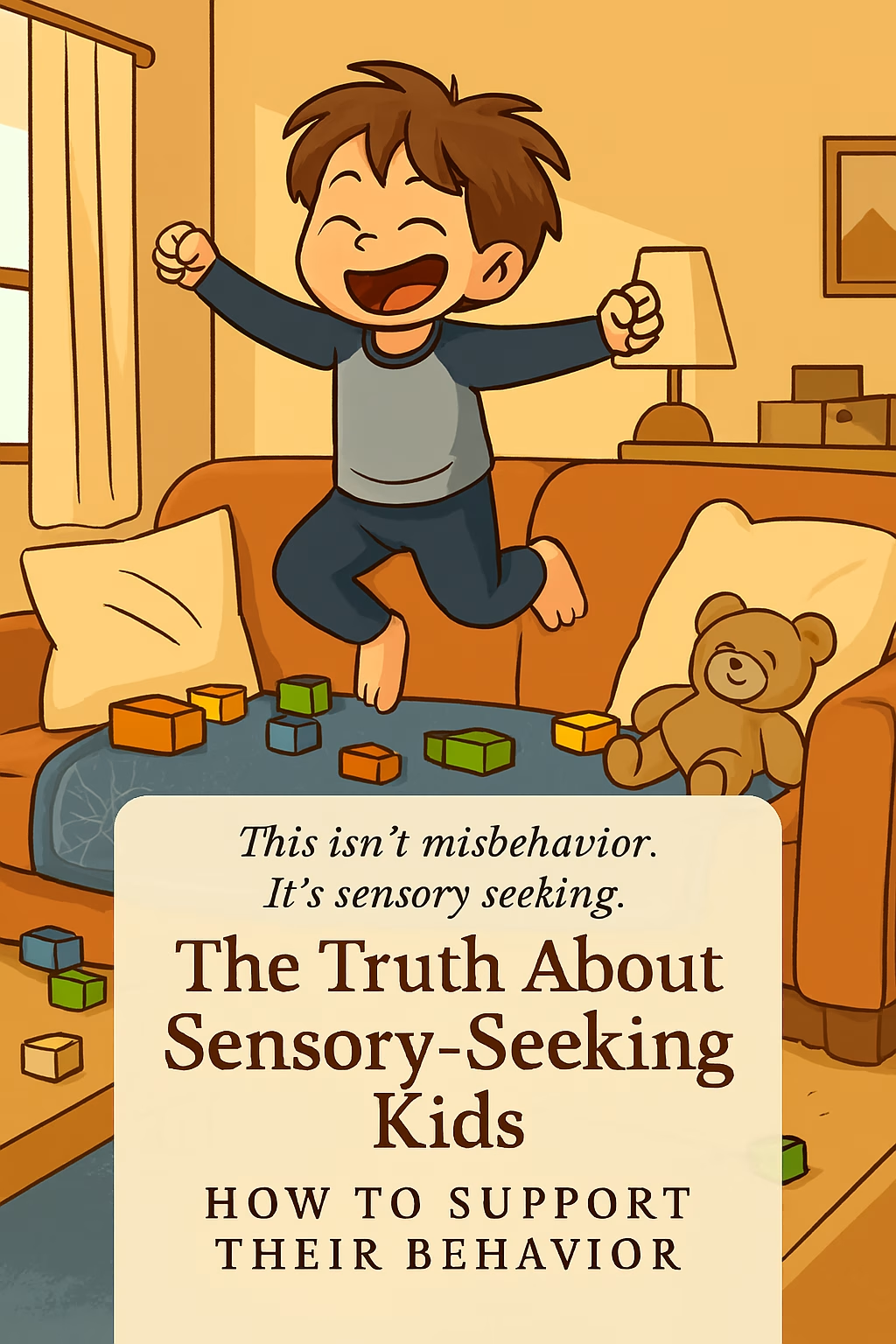
The Truth About Sensory-Seeking Kids: How to Support Their Behavior
- Cozy Tools for Overwhelmed Moms, - Emotional Regulation, - Everyday Parenting Wins, - Homeschool Life, - Real-Life Mess & Magic, Behavior with Connection, Cozy Home Routines, Gentle Homeschooling, Gentle Parenting, Heart-Centered Homemaking, Inclusive Education, Mama Meltdowns & Tiny Wins, Neurodiversity & Learning, Parenting with Purpose, Real-Life Learning Moments, Seen & Supported, Sensory Parenting, Supporting Sensitive Kids
What If It’s Not Misbehavior at All? You ask your child to sit down and focus — and suddenly they’re upside down on the couch, humming, tapping, or melting down. You wonder if they’re just being defiant. But what if they’re not? What if your child’s “acting out” is actually a nervous system trying to regulate? Sensory-seeking behavior isn’t about disrespect. It’s about survival. And once you understand what’s really going on, you can shift from power struggles to peaceful connection — even during learning. If you’re raising a highly sensitive child or navigating emotional intensity in your family, you might also love: What Happens When Everyone’s Sensitive? A Real-Life Survival Guide to Highly Sensitive Parenting and Emotional Family Life What Is Sensory-Seeking Behavior? Sensory-seeking kids crave input — movement, touch, sound, pressure — to feel regulated. Their bodies are asking for stimulation, not trying to cause chaos. Common signs: Constant movement (jumping, crashing, spinning) Touching everything, chewing on objects Loud vocalizations or repetitive sounds Meltdowns after transitions or quiet time Why It’s Not “Bad Behavior” Traditional discipline often misses the mark. Sensory-seeking behavior isn’t about control — it’s about communication. When we respond with punishment, we escalate the dysregulation. But when we respond with understanding, we create space for regulation and learning. If you’re feeling burned out by these moments, you’re not alone. You might find comfort in: Feeling Burned Out? A Survival Guide for Overstimulated Moms How to Support Sensory Needs During Learning 1. Build in Movement Breaks Try jumping jacks, wall pushes, or animal walks between tasks. Use a visual timer to make transitions predictable. 2. Offer Sensory Tools That Actually Help These Amazon finds are perfect for homeschool, co-op, or quiet time: Sensory Activity Board — screen-free, travel-friendly, and OT-recommended Blackout Sensory Tent — create a calm corner for overstimulated kids Squishy Fidget Tubes— triple sensory experience: sight, sound, and touch Textured Sensory Sticks — quiet, bendable, and perfect for classroom or travel Want to understand your child’s sensory profile in real life — not just in theory?Download the Sensory Snapshot Tool, a cozy printable that helps you gently identify your child’s sensory needs across six categories.It’s not a test. It’s a hug in checklist form — designed to help you shift from confusion to clarity, one sensory moment at a time. Print Your Snapshot Tool Real-Life Scenarios: Sensory Needs in Action Josie’s Story: The Pressure Seeker During math lessons, Josie often pushes against me or leans hard into her brother. At first, it felt like she was being disruptive or clingy. But now I know she’s seeking deep pressure — her nervous system is asking for grounding. What helps: Letting her sit next to me with a weighted lap pad Offering wall pushes or bear hugs before starting Saying, “Your body needs to feel strong. Let’s help it get ready to learn.” Nolan’s Story: The Texture Seeker When Nolan feels overwhelmed, he reaches for soft textures — blankets, plush toys, even fuzzy socks. We keep a cozy blanket nearby during school time so he can regulate without words. What helps: Having a designated “comfort corner” with textures he loves Letting him hold a soft item during lessons Saying, “It’s okay to need comfort. Your blanket is here when you’re ready.” If you’re building a homeschool space that honors emotional needs, you’ll love: Homeschool Mom Self-Care That Actually Works (Free Download) Neurodivergent Homeschooling Made Simple Regulate Yourself First You can’t co-regulate if you’re dysregulated. Try: A calming mantra: “This is a nervous system, not a personal attack.” A sensory ritual for yourself — tea, grounding touch, or a cozy corner Need help creating a ritual that works for you? Turn Tea Time into a Weekly Ritual of Beauty: Art, Poetry & Music Made Simple Gentle Scripts That Build Connection “I see your body needs to move. Let’s take a break together.” “It’s okay to feel wiggly. Let’s find a way to help your brain focus.” “You’re not in trouble. You’re having a hard time, and I’m here.” Let’s Build a Village of Support Does your child crash into furniture or chew on everything during lessons? You’re not alone. Share your sensory story in the comments or tag @PrairieEmberAdventures on Instagram.Let’s create a space where overwhelmed parents feel seen, supported, and inspired — one sensory moment at a time. The Prairie Ember Sensory Support Kit Gentle tools to help your child regulate — and help you breathe easier. Tool Why It Helps Amazon Link Weighted Lap Pad Deep pressure for grounding View on Amazon Chewable Necklace Oral input for focus View on Amazon Noise-Reducing Headphones Auditory regulation View on Amazon Fidget Cube Tactile and fine motor input View on Amazon Soft Sensory Blanket Comfort and texture View on Amazon Visual Timer Predictable transitions View on Amazon Cozy Tea for Mom Because regulation starts with you Art of Tea You’re Not Failing — You’re Learning Together Your child isn’t trying to make your day harder. They’re trying to make their body feel safe. When you shift from correction to connection, you unlock real learning — the kind that honors both your child’s needs and your own. You’re not alone. You’re not failing. You’re building something beautiful — one sensory moment at a time. If you’re ready to explore more heart-centered learning, check out: A Gentle Way to Teach Big History—Raising Kids Who Ask Better Questions Raising Earthkeepers: How to Teach Environmental Studies with Heart at Home Surprise Science: What Happens When You Skip the Curriculum but Not Curiosity

A Gentle Way to Teach Big History- Raising Kids Who Ask Better Questions
- Curriculum Reviews, - Slow Learning Practices, Asking Better Questions, Big History for Kids, Building Wonder & Resilience, Connection-Driven Education, Cozy Curriculum Ideas, Curriculum Tips, Emotional Intelligence in Learning, Gentle History Education, Heart-Centered Homeschooling, Homeschool History Resources, Homeschool Philosophy, Inquiry-Based Learning, Learning Through Storytelling, Raising Curious Kids, Teaching Through Curiosity
A Gentle Way to Teach Big History Raising Kids Who Ask Better Questions If you’ve ever wished for history resources that go beyond the textbook—this is it.Honest History is a beautifully designed magazine that offers a gentle approach to teaching big history: truthful, well-researched stories that spark curiosity and inspire action. It’s not just about reading—it’s about rethinking, questioning, and discovering. Why Honest History Stands Out This isn’t your average curriculum. Honest History offers: Untold stories of changemakers, dreamers, and everyday heroes Verified facts that encourage critical thinking Adventure-driven articles that make research feel like a treasure hunt Each issue supports a gentle history experience—one that honors kids’ emotional intelligence and invites deeper conversations. Instead of glossing over complexity, Honest History leans in—with stories that help kids understand context, challenge assumptions, and see history as a living, breathing narrative. History as a Tool for Emotional Intelligence In our homeschool, history isn’t just about what happened—it’s about how people felt, what they feared, and how they found courage. Honest History helps kids build emotional vocabulary by exploring the inner lives of real people. It’s a gentle way to teach empathy alongside facts. If you’re raising sensitive kids (or you’re a sensitive mom yourself), you’ll love how Honest History makes space for nuance and emotional growth. For more support in this area, you might also love: What Happens When Everyone’s Sensitive? A Real-Life Survival Guide to Highly Sensitive Parenting and Emotional Family Life Feeling Burned Out? A Survival Guide for Overstimulated Moms Tea Time Meets Gentle History We’ve started pairing Honest History magazines with our Tea Time Together afternoons. One story, one warm drink, and one big question to explore. It’s become a rhythm that grounds us—and reminds us that learning can be both gentle and brave. If you’re looking to build a cozy ritual around learning, try this: Turn Tea Time into a Weekly Ritual of Beauty: Art, Poetry & Music Made Simple Try This: A Prompt for Curious Kids Ask your child: “Whose story hasn’t been told yet?”Then explore an Honest History issue together and see what questions bubble up. You might be surprised by what they notice—and how deeply they care. This kind of inquiry-based learning is what makes gentle history so powerful. It’s also why we love resources like: Surprise Science: What Happens When You Skip the Curriculum but Not Curiosity Trust, Curiosity, and Connection—This Is What Unschooling Really Looks Like Flexible Options for Every Family for Big History Whether you want to subscribe and receive a new issue every three months, or hand-pick individual editions that match your child’s interests, Honest History makes it easy. Each issue is a stand-alone gem—like: Northern Voyage (Vikings and exploration) A Good Hope (African wildlife and conservation) American Glitter (railroads and innovation) A Land Called Oz (imagination and storytelling) Perfect for homeschool units, cozy afternoon reads, or sparking deep conversations around the dinner table. Why Moms Love This Gentle History Resource Honest History is more than educational—it’s emotionally intelligent.It respects kids’ curiosity and gives them tools to: Ask better questions Understand nuance See themselves as future historians, activists, and leaders And it’s all wrapped in: Gorgeous design that feels like a keepsake Accessible language that honors kids’ intelligence Interactive prompts that encourage independent research and reflection It’s the kind of resource that makes you say, “This is what I’ve been looking for.” If you’re building a curriculum that centers on heart and connection, you might also enjoy: Raising Earthkeepers: How to Teach Environmental Studies with Heart at Home Neurodivergent Homeschooling Made Simple Homeschool Mom Self-Care That Actually Works (Free Download) Ready to Explore the Past and Empower the Future? Whether you subscribe or just grab a few favorites, Honest History is a gentle resource for teaching big history that your family will treasure. [Explore the Honest History collection] and find the stories that speak to your child’s heart. Use code PRAIRIE10 for 10% off your order—because meaningful learning should feel accessible, beautiful, and full of heart. Because history isn’t just what happened.It’s what we choose to remember—and how we choose to respond.

Feeling Burned Out? A Survival Guide for Overstimulated Moms
- Emotional Check-Ins & Self-Care, - Emotional Resilience for Moms, - Highly Sensitive Motherhood, - Mom Life & Self-Care, Compassionate Parenting, Cozy Self-Care for Sensitive Moms, Gentle Coping Strategies, Mental Load & Emotional Labor, Mindful Moments, Mom Burnout & Recovery, Neurodivergent-Friendly Resources, Overstimulation & Sensory Overload, Real-Life Parenting Stories, Resources for Sensitive Families, Restorative Practices, Support for Overwhelmed Moms, Tiny Wins & Tea Rituals, Validating Motherhood
Feeling Burned Out? A Survival Guide for Overstimulated Moms If you’ve ever fantasized about running away to a yurt with nothing but a blanket and a bag of snacks, you might be burned out. And if you’re a homeschool mom, a sensitive soul, or someone who’s been asked “what’s for dinner?” one too many times… this post is for you. Let’s skip the guilt and get straight to the good stuff:gentle tools that actually help. First, Let’s Talk About Your Brain Before we dive into tea rituals and printable lifelines, let’s talk about your brain. Because sometimes burnout isn’t just emotional—it’s neurological. Take Dr. Amen’s BrainMD Stress Quiz to find out your brain type. Are you the “Anxious Brain”? The “Overfocused Brain”? The “Sensitive-to-Everything Brain”? (That last one’s not official, but you get the idea.) Once you know your type, you can explore supplements that support your unique stress patterns—like magnesium, GABA, or adaptogens. It’s not about fixing you. It’s about supporting your nervous system so you can show up as your best, most grounded self. Pair this with: What Happens When Everyone’s Sensitive? A Real-Life Survival Guide to Highly Sensitive Parenting Neurodivergent Homeschooling Made Simple Gentle Tools That Soothe Your Soul Now that we’ve covered the brain stuff, let’s talk about what actually helps when you’re in the thick of it—when the noise is too loud, the day is too long, and your nervous system is waving a white flag. Tea Rituals That Are Comforting Swap the chaos for a warm mug. I love Art of Tea for cozy blends that feel like a deep exhale. Try “Happy Tea” or “Illuminate Tea”—they’re like emotional support in a cup. And if you want to turn tea time into something more intentional, check out the Tea Time Together curriculum. It’s a gentle, beauty-centered resource that weaves art, poetry, and music into your weekly rhythm—without adding pressure. Use my code PRAIRIEEMBERADVENTURES to get 10% of your order! Inspired by: Turn Tea Time into a Weekly Ritual of Beauty: Art, Poetry & Music Made Simple The Mama Meltdown Protocol Card This printable was made just for this post—because sometimes you need more than advice. You need a lifeline. The Mama Meltdown Protocol Card is simple, visual, and designed for those “I can’t even” moments. It’s a fridge-friendly reset button for your nervous system. No judgment. No overwhelm. Just gentle reminders to help you breathe, recalibrate, and feel like yourself again. → Download the Mama Meltdown Protocol here, free—because support should be accessible. Books That Don’t Judge You I keep Honest History magazines on hand for my kids—so I can sneak a moment of peace while they learn something cool. Bonus: they’re screen-free and beautifully designed.Use my code PRAIRIE10 to get 10% off your first order! Training Aliens (aka Emotional Intelligence in Disguise) This isn’t just a distraction—it’s a tool for connection. Training Aliens is a playful, research-backed program that helps kids build emotional vocabulary, empathy, and self-regulation. While they’re busy decoding alien feelings, you get a moment to sip your tea and breathe. It’s screen-free, sensory-friendly, and weirdly magical.Perfect for those “I want to help my kids, but I also need five minutes to remember who I am” kind of days. → Get Training Aliens Curriculum here Pair it with: Neurodivergent Homeschooling Support Made Simple- How to Build Calm Routines Lazy Day Survival Kit (aka “I Can’t Even” Essentials) Some days, you need a full reset. Not a Pinterest-perfect plan—just a few cozy tools that buy you peace and quiet while still supporting your kids emotionally. Here’s what’s in my Lazy Day Survival Kit: Art of Tea’s “Happy Tea” or “Sleep Tea” Amazon fuzzy cloud socks Training Aliens emotional intelligence program Honest History magazine Mama Meltdown Protocol Card Tea Time Together curriculum This kit pairs beautifully with: Homeschool Packing Mistakes We’ll Never Make Again—Thanks to These 17 Essentials Surprise Science: What Happens When You Skip the Curriculum but Not Curiosity Top Gluten-Free Snacks for Kids That They Actually Love Mini Mindfulness Moments for Moms Who Don’t Have Time Mindfulness doesn’t have to be a 90-minute yoga session. It can be: Breathing in for 4, holding for 4, out for 6—while hiding in the laundry room Naming 5 things you can see, 4 you can touch, 3 you can hear… you get the idea Sitting on the porch after bedtime with no phone, just breeze These tiny resets help your nervous system recalibrate. These posts build on the same heart-centered approach to motherhood and learning: Trading Chaos for Calm: How North Dakota Gave Us a New Life Trust, Curiosity, and Connection—This is What Unschooling Really Looks Like From Frustration to Focus: Using Learning Styles in Our Homeschool Tiny Wins & Tea Rituals (Free Printable) Self-care isn’t a spa day—it’s remembering to breathe before you snap. It’s socks that make you smile. It’s noticing your overstimulation before it takes over. That’s why I created this printable:Tiny Wins & Tea Rituals is a weekly tracker designed to help you pause, reset, and feel like yourself again—without guilt or overwhelm. What’s inside: Simple, affirming self-care cues you can actually do Autumn-inspired design that feels warm, not clinical Gentle prompts that guide you toward emotional reset Pin it to your fridge. Tuck it into your planner. Print one for a friend who’s quietly unraveling.It’s your permission slip to pause. → Download Tiny Wins & Tea Rituals (Free Printable) Pair it with: Homeschool Mom Self-Care That Actually Works (Free Download) Final Thoughts: You’re Not Broken—You’re Burned Out You don’t need a personality transplant. You need support, space, and tools that meet you where you are. Try the quiz. Sip the tea. Hang the printable. And know this: You’re doing an incredible job—even when it doesn’t feel like it.