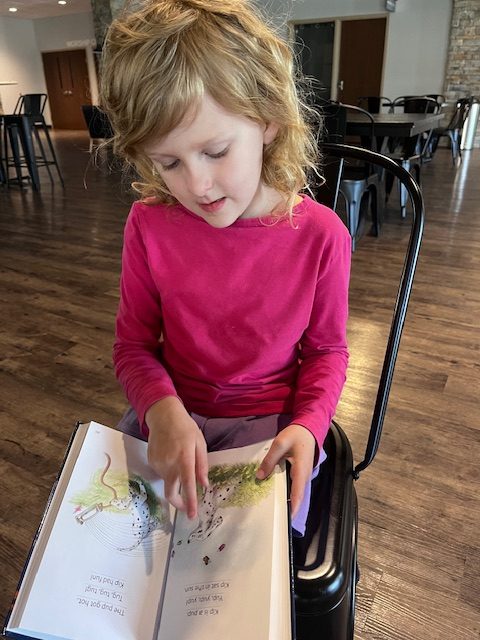
Helping My Struggling Reader Thrive with All About Reading Reading used to end in tears—hers and, honestly, almost mine too. When we began formal reading lessons, my first grader was overwhelmed. Each page felt like a battle. Frustration led to heartbreaking phrases like, “I can’t do this.” At the time, we were using The Good and the Beautiful—a lovely homeschool curriculum, but it just didn’t match her learning style. Something had to change. We needed a program that was gentle, engaging, and supportive.And that’s when we found All About Reading. Why We Switched I kept seeing All About Reading recommended in homeschool forums—especially for kids showing signs of dyslexia or needing multisensory instruction. We didn’t have a formal diagnosis, but my daughter frequently reversed letters and dreaded reading time. What stood out to me was how hands-on this curriculum is. It’s not just another workbook. It’s tactile. Playful. Encouraging. Visit All About Reading’s website to learn more about how it works. A Complete Transformation Within a week, everything shifted.Within a month, reading became joyful. She started picking up her reader books on her own.She wanted to show me how much she could read. Her spark was back. While she curled up with her reader books, I curled up with mine—and a calming cup of Breathe Tea from Art of Tea. It’s an organic blend of peppermint, eucalyptus, and holy basil—like an exhale in a mug.For moms walking through big emotions and tiny victories, this has become my go-to pause. A gentle reminder that growth takes patience—and breath. What’s in the Box Teacher’s Manual – Scripted and crystal clear Student Activity Book – Games, cut-and-paste pages, gentle review Letter Tiles & Cards – Hands-on phonics instruction Decodable Readers – Beautifully illustrated and beginner-friendly Tip: I keep the tiles in a ziplock bag tucked in our pencil case.No board. No setup fuss. Just grab and go. Perfect for small-space homeschooling. Why It Works for Us Open-and-go with minimal prep Readers she genuinely wants to read Structured without being rigid Multisensory (great for tactile learners) Meets diverse needs—including letter reversal challenges Final Thoughts This program changed everything.No more tears. No more battles. In their place?A little girl who believes in herself again. If you’re in a similar season, wondering why reading feels like a struggle…Maybe All About Reading is what helps your child fall in love with reading too. Have you used All About Reading?Or found another reading program that changed everything for your family? I’d love to hear your story in the comments.
Fort Union- The Homeschool History Lesson They’ll Never Forget
This weekend, we stepped straight into 1851. We visited the Fort Union Trading Post National Historic Site for their annual Rendezvous reenactment—and let me tell you, it felt like walking through a living textbook. But better. Because there were no worksheets. No screens. And no “Mom, do I have to?” Just curiosity. Conversation. And the kind of learning that actually sticks. What We Learned at Fort Union Trading Post (Quick Summary): Visited the Fort Union Trading Post National Historic Site in North Dakota Attended their annual Rendezvous living history reenactment Kids participated in hands-on demos like hide tanning, tinsmithing, and Plains Indian Hand Talk No prep required—just real-world, multisensory learning that stuck Hands-On History in the Wild Tents lined the open prairie, each one a tiny time capsule. We browsed handmade trade goods, touched furs and cooking tools, and even saw a real Native American canoe up close. Demonstrations included hide tanning, barrel making, tinsmithing, and pottery, all done the way it would have been in the mid-1800s. My kids were wide-eyed during a flintlock firing demo—and I’ll be honest, I was completely mesmerized by the Plains Indian Hand Talk (sign language) presentation. It was beautiful, intentional, and deeply human. And that’s the thing. History came alive. Not through a textbook, but through touch, sound, and story. Why It Was More Than a Field Trip As a homeschooling parent, I’m always on the lookout for ways to make learning feel real—without burning out. This day checked every box. Multisensory learning No prep from me Kids engaged all day long We didn’t just read about the fur trade—we watched it unfold. We didn’t just talk about frontier life—we smelled the wood smoke, felt the wool, and watched iron shaped in fire. This was immersive learning in its purest form. And it reminded me: homeschooling isn’t just about checking boxes. It’s about making connections that stick. Making Homeschooling Easier—And Way More Fun Feeling stuck in your homeschool routine? Consider this your gentle nudge: get out of the house. Look for living history events, reenactments, or historic sites near you. These experiences do more than supplement your curriculum—they give your kids a reason to care. And better yet, they give you a break from being the one doing all the talking. Trust me, your kids will remember the smoky scent of frontier cooking fires long after they forget what page they were on in their workbook. Tips for Planning Your Own Homeschool History Outing Here’s what made the day work for us: Pack notebooks or sketchpads—my kids loved drawing in this one with what they saw Ask lots of questions—reenactors are usually thrilled to share Let your kids lead—follow their curiosity from tent to tent Snap photos to spark writing and preserve memories—let your child use their own camera to capture the adventure. Don’t over-plan—leave space for discovery. Bring kid friendly binoculars– it made exploring even more fun! Let it be messy. Let it be memorable. These are the moments that make homeschooling magic. Find Living History Events Near You Curious where to find immersive history experiences like the one we visited? There are nationwide directories that list reenactments, pioneer festivals, and historic site events throughout the year. Start your search here: Living History World Wide– A global calendar of events, searchable by region and time period National Trust For Historic Preservation – Find historic landmarks and cultural events in the U.S. ReeactmentHQ – Covers Civil War, Revolutionary War, frontier reenactments, and more NPS Events Calendar – Search by park for historical demonstrations and seasonal activities These resources make it easy to plan a field trip that blends history, adventure, and connection—whether you’re road schooling or simply looking for a weekend outing that teaches more than a worksheet ever could. Want to bring the adventure home? Set the scene with favorite books and hands-on dress-up gear—perfect for sparking imaginative play and reenacting your own backyard history. Explore family favorites here: Daily Life in a Covered Wagon On the Way Home: The Diary of a Trip from South Dakota Mansfield, Missouri Science on the Oregon Trail Would You Survive as a Medicine Woman in the Plains Tribes? Girls Pioneer Costume Boys Pioneer Costume And if your kids are still buzzing from reenactments and frontier tales, Honest History Magazine is the perfect follow-up. Every issue brings global history to life with immersive illustrations and engaging narratives—ideal for storytelling, quiet reading time, or launching your next themed homeschool day. Use code PRAIRIE10 to save 10% on your first issue. Final Thoughts Why Fort Union Trading Post Belongs in Your Homeschool JourneyFort Union Trading Post didn’t just offer a field trip—it offered a window into history that felt alive, touchable, and unforgettable. For homeschool families craving real-world learning and connection, it’s a rare blend of hands-on exploration and heart-filled storytelling. No prep. No pressure. Just prairie winds, open tents, and the kind of wonder that textbooks can’t capture.If you’re looking to reawaken curiosity in your homeschool day, Fort Union Trading Post is more than worth the drive—it’s a chance to learn by living it. Homeschooling at Fort Union Trading Post – FAQ What is Fort Union Trading Post?It’s a National Historic Site near Williston, North Dakota, once a major fur trading hub in the 1800s. Today, it hosts immersive living history events that bring frontier life to families through crafts, reenactments, and storytelling. Is Fort Union good for homeschool field trips?Absolutely. It’s low-prep, multisensory, and packed with hands-on demos that make history real for kids—without worksheets or lectures. What ages enjoy visiting Fort Union?We saw deep engagement across elementary to tween ages. Flintlocks, canoe viewing, sign language, and sketching opportunities gave every kid something to be curious about—even the younger ones. Do I need to prep before visiting?Not at all. Just show up with curiosity and maybe sketchpads or binoculars. The living history reenactment provides everything for a meaningful day of learning. Where is Fort Union located?It’s nestled on the border between North
We Tried Notgrass for Teaching the 50 States—Here’s What Happened
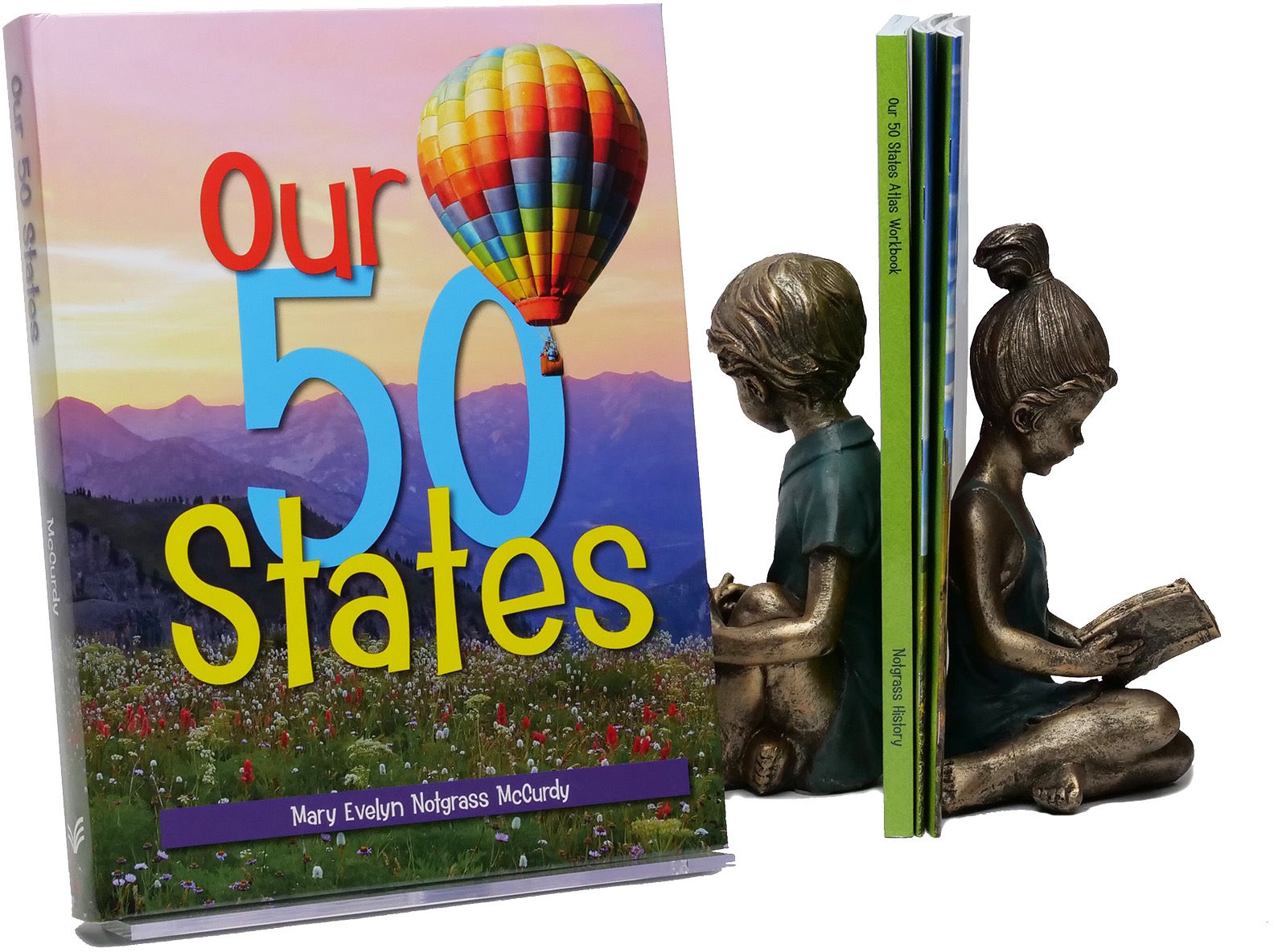
Notgrass Curriculum Honest Review: Our 50 States Experience & Better Geography Alternatives When I first started homeschooling, I was overwhelmed—almost paralyzed—by the sheer number of curriculum options available. Which ones were worth investing in? Which would actually engage my kids and fit our lifestyle? Out of desperation, I bought several programs just to figure out what would stick. Looking back, I wish I had a clearer starting point. So here it is: our honest experience of Notgrass, in hopes it helps other families avoid wasting time and money. Why We Tried the Notgrass Curriculum for Geography Notgrass came recommended by several families who also use The Good and the Beautiful, which we started out with and liked initially. Their “Our 50 States” curriculum felt like a natural fit for kicking off U.S. history. We’ve done a lot of traveling, and I hoped connecting each lesson to places we’d actually visited would make geography more personal for my kids. The bundle included: A beautifully illustrated textbook Student workbook Lesson review Answer key All for around $82. That’s a decent deal for a full-year social studies course. What’s Included in Our 50 States by Notgrass The lessons are consistent and easy to follow—each state is covered over two days: Day 1: Locate the state on a U.S. map Read a short chapter from the textbook Complete a worksheet tied to the reading Learn geography terms like capes, bays, and prairies Day 2: Continue reading about the state (usually with a folk song) Fill out info about the state bird, flower, flag, and tree Optional books and hands-on activities for deeper learning It’s mostly grab-and-go, which I appreciated. No prep required—you just open the book and start. And there are delightful facts sprinkled throughout, like how the Hershey factory is located in Pennsylvania or that Mt. Olive pickles come from North Carolina. Is Notgrass Curriculum Faith-Based? Notgrass is faith-based, which means it includes biblical references throughout the lessons. That said, I found it easy enough to skip those sections without losing the educational value. They’re present but not overpowering, so it’s flexible depending on your family’s preferences. What Didn’t Work for Our Family Despite the solid structure, my kids just didn’t connect with the content. They got restless during readings and ignored the suggested enrichment activities. Even the additional book recommendations felt like a chore. The format wasn’t dynamic enough to hold their attention—and without engagement, the learning just didn’t stick. What did work was everything I added outside the curriculum: State-themed YouTube videos Nature-based games and hands-on activities Drawing and storytelling Library books tailored to their curiosity That’s when they came alive and truly absorbed what they were learning. Would We Use Notgrass Again? Honestly? Probably not. We’re finishing it since we paid for it, but I wouldn’t repurchase. It’s great for families who want a plug-and-play history program with minimal prep. But for us, it didn’t provide the flexibility or spark we were looking for. Engaging Geography Alternatives on a Budget If you’re seeking a more affordable, customizable, and engaging way to teach U.S. geography, these tools have transformed our homeschool journey: 1. Magnetic U.S. Map We love the Learning Resources Magnetic U.S. Map Puzzle (45 Pieces). It’s on our fridge, and the kids quiz each other using clues and state facts. No prep, endless fun. 2. YouTube State Videos Search Unboxed, USA by PragerU Kids—start with states like Wyoming | Unboxed, USA and dive deeper with extra videos on state animals, landforms, and local culture. Pair each video with a printable state outline for kids to decorate, this one is a great one to use! They draw landmarks, animals, and jot down fun facts they learned—totally hands-on and creative. 3. Library Resources We check out picture books and readers for each state, then create fun quiz questions based on what we read. Sometimes I ask AI to generate a few questions—quick, playful reinforcement that actually sticks. Some of our favorite picks are- The Scrambled States of America, Weird But True! USA, and National Geographic Kids Ultimate U.S. Road trip Atlas. And if your kids are craving even more storytelling-based social studies, we’ve been loving Honest History Magazine. Each issue is beautifully illustrated and packed with narrative-rich content that brings history to life—no boredom, no busywork. It’s our go-to for sparking questions and deepening curiosity around culture, invention, and adventure. Use code PRAIRIE10 to save 10%. We keep ours in the morning basket or tote bag for park days. Why We Recommend Hands-On Learning Over Rigid Curriculum Teaching geography doesn’t have to feel rigid or scripted. That’s why I created the National Park Explorer Journal—a companion to our new way of teaching the 50 states. This full-color, printable journal lets kids: Track park visits Record weather, wildlife sightings, and discoveries Reflect on favorite moments Complete scavenger hunts, draw what they saw, and earn explorer badges It blends creativity, memory-making, and state-based learning into one vibrant resource. Whether you’re road schooling or just visiting a few parks, it’s built to inspire. Check out the 50 State Journal here for how I would teach the 50 states without a formal curriculum, and make your next adventure unforgettable. You don’t need a massive budget or a rigid curriculum—just the right tools to spark curiosity. ✨ Honest History Magazine A magazine that makes history feel like an adventure. Honest History invites kids into global stories, ancient civilizations, and big ideas—without the textbook tone. It’s our favorite way to spark curiosity and connection. Use code PRAIRIE10 for 10% off your first issue. We keep ours tucked in the morning basket, ready for rabbit trails and rainy-day wonder. Explore Honest History
Homeschool Co-ops Near You: Benefits, Tips & How to Start One
What Is a Homeschool Co-op? If you’re just starting your homeschool journey, you’ve probably heard the term “co-op.” So, what does it mean—and why do so many homeschoolers love it?A homeschool co-op is a group of families who meet regularly to support each other. These gatherings range from hands-on classes and themed crafts to field trips and social time. In short, co-ops offer both parents and children something we all need—community. What You’ll Learn About Homeschool Co-ops What a homeschool co-op isSimple definition + how it supports real families Benefits for kids & parentsAcademic help, social growth, shared resources, and emotional support Activity ideasCrafts, science demos, park meetups—even epic field trips How to find or start a co-opTips for joining local groups or building one from scratch Why group learning mattersGentle motivation, shared experiences, and real-world engagement My Co-op Experience in North Dakota Although I’m not officially part of our local homeschool co-op, I’ve been lucky to join in on so many of their events—from smashing geodes and painting wildlife scenes to the time they rented out an entire water park (yes, really!).It’s amazing what families can do when they pool resources. Big adventures that would normally feel out of reach become completely doable with a group. And even just popping in occasionally has reminded me how uplifting, practical, and fun community learning can be. What Supplies Work Well for Co-op Days? Wooden Craft Kit Sewing Projects Under the Sea Paper Craft Break Your Own Geodes Phone Case Protector for Pool Days Wet/Dry Bags– perfect for swim days, muddy adventures or laundry on the go. Why Do Homeschool Families Join Co-ops? When fall rolls around, I always look forward to the energy of group learning—even if I’m not officially part of a homeschool co-op. I’ve been invited to join plenty of their events, and the difference it makes is real. If you’ve ever struggled to get your child to finish math at the kitchen table, you’re not alone. There’s something about gathering with other families—whether for a project, game, or themed lesson—that turns “we have to do this” into “we get to do this together.” Something amazing happens when kids learn in a group setting. Whether it’s friends joining in or another parent teaching, the atmosphere shifts. Suddenly, learning feels less like a battle—and more like a shared experience.Group dynamics can revitalize your homeschool routine. In many cases, they’re exactly what kids need to grow academically and socially. Want to bring that same energy home? These 7 Play-Based Activities helped us turn everyday lessons into joyful, hands-on learning. Explore them here. What Are the Benefits of Homeschooling Beyond Academics? Homeschooling isn’t just about choosing different books. It’s about choosing a lifestyle. Families often discover benefits that extend well beyond education. Personalized LearningKids learn at their own pace, in ways that suit them best. Whether it’s crafts, visuals, or stories, lessons can match their unique style. Academic ConfidenceWith fewer distractions and more support, kids feel empowered. They go deeper into subjects they love and build confidence where they need it most. Emotional Well-BeingMany families notice reduced anxiety and increased maturity. Learning in a safe, nurturing space can make all the difference. Flexible SchedulesNo rushed mornings required. Families create routines that fit their lives—like slow starts or spontaneous trips to the museum. Real-World LearningHomeschooling blends learning with life. Think cooking, budgeting, nature walks, and more. Kids see how lessons connect with the world around them. Stronger Family BondsWith more time together, families grow closer. Conversations deepen, goals align, and shared experiences build lasting memories. How Do I Find a Homeschool Co-op Near Me? Ready to find a group in your area? Start with this helpful tool: Find Homeschool Groups Near Me Just remember—homeschool laws vary by state. To check what applies where you live, visit: Homeschool Laws By State Can I Start My Own Homeschool Co-op? If local co-ops aren’t an option—or if the ones nearby are full—you can always start one yourself. It doesn’t have to be complicated. Begin by connecting with a few families. Decide how often to meet and what types of activities you’d enjoy—anything from group lessons to park playdates. You can shape your co-op to reflect your values and interests. Whether it’s casual or structured, small or growing, it’s yours to build. Get inspired and learn more with this step-by-step guide: How to Start a Homeschool Co-op ~ The Organized Homeschooler Homeschool Co-op FAQ What is a homeschool co-op?It’s a group of families who meet regularly to share teaching, plan activities, and build community. Co-ops can be academic, social, creative—or all three. What happens at a homeschool co-op?Kids might do crafts, science experiments, group lessons, or field trips. Parents often rotate teaching or help organize events. How do I find a homeschool co-op near me?Start with local Facebook groups, library boards, or homeschool directories. You can also search “homeschool co-op near [your city]” online. Can I start my own homeschool co-op?Yes! Begin by connecting with a few families, choosing a meeting schedule, and planning simple activities. You can keep it casual or build something structured. Final Thoughts on Homeschool Co-ops: Building Connection, One Gathering at a Time Homeschooling doesn’t have to be lonely—and learning doesn’t have to happen in isolation. Whether you’re joining a local co-op or building one from the ground up, community can transform your homeschool journey from stressful to sustainable. Co-ops offer a place to share resources, spark creativity, and remind each other that we’re in this together. So if you’re craving more connection, don’t wait—start with one invitation, one craft, one afternoon at the park. The ripple effect might just shape your child’s education in the most beautiful way. 🍵 Steeped in Learning, Rooted in Ritual Whether you’re prepping lessons or pausing for reflection, tea rituals bring warmth to every homeschool moment. These blends from Art of Tea—Chamomile, Rooibos, Peach—are Lindsey’s favorites for fueling gentle mornings and sparking cozy conversations. ✨ Sipped slowly. Shared sweetly.
Is Moving to North Dakota the Key to a Better Life? Our Honest Experience
Moving to North Dakota for a Better Life: Our Family’s Journey from Burnout to Belonging Motherhood has taken me across states and through challenges I never expected—from the busy streets of Washington, to the warmth of Texas, and now to the wide-open spaces of North Dakota.At first, I loved the urban lifestyle. There were endless things to do, great schools, and everything was within arm’s reach. But as time went on, life had a way of nudging me toward something better—even when I didn’t realize I needed it. Quick Summary: Why We Moved to North Dakota for a Better Life From Burnout to BraveryWe were overwhelmed—juggling work, motherhood, and school systems that didn’t support us. A Life-Changing LeapWe left behind big-city stress for wide-open skies and a chance to reconnect. Finding Peace in the PlainsSmall-town life brought community, homeschooling joy, and the calm we craved. Lessons We LearnedSometimes the hardest move becomes the most healing. Try before you dismiss—it just might change everything. What Life Was Like in Washington We moved back to Washington to be near family, thinking it would be the perfect setup for our kids to build strong relationships. I landed an incredible state job with benefits, and my daughter got into an amazing co-op program. On paper, everything looked ideal. But reality hit hard. Working full-time while juggling motherhood left me completely drained. The sky-high cost of living made it nearly impossible for our family to thrive. My husband left to work in the oil fields of North Dakota—while I stayed behind with the kids. I thought I had everything I wanted. But deep down, I was burnt out, overwhelmed, and barely holding it together. School Struggles and Special Needs Advocacy As a mom to a child on the autism spectrum, I’ve navigated many school systems. But Washington was unlike anything I had experienced. I was told I’d have to fight just to get my son into a general education classroom—despite his incredible progress. The before-and-after-school program became a nightmare. My kids were bullied daily. One incident even left my son with a broken finger. My daughter felt trapped by unspoken rules. She stayed silent—even after being physically hurt. I advocated fiercely. I did everything I could. But I couldn’t shake the feeling that this wasn’t the life we were meant to live. If you’re navigating similar challenges, you might find this guide to homeschooling children with special needs from HSLDA helpful. If you need some extra guidance, these books may be helpful for you- Homeschooling Your Struggling Learner or The Out-of-Sync Child, they helped me understand my child’s learning needs better. Taking the Leap: Relocating to North Dakota Through it all, my husband missed us terribly. He kept asking me to take the risk and move. I resisted.Who willingly moves somewhere where the nearest Target is two hours away?Where winter temperatures can plunge to negative sixty?But the truth was, nothing felt harder than watching my kids suffer. So we packed up and made the move. Homeschooling and Community in Small-Town Life It’s been four months. And I can say without a doubt—this was the best decision we’ve ever made. Homeschooling—something I never thought I’d do—has become a joy. (If you’re curious, here’s how we have used The Good and the Beautiful curriculum on a budget.) The tight-knit community welcomed us with open arms. Between co-op groups, local events, and small-town charm, we never feel isolated. It feels like we’ve stepped into a real-life version of Stars Hollow. Everyone knows each other. Life moves slower. And the peace? It’s unmatched. And with that slower pace came a surprising shift: the way we care for our home changed, too. I started prioritizing calming routines and cleaner choices—not just in learning, but in how we live. Grove Collaborative became my source for low-scent essentials that feel safe for our sensory-sensitive crew, and Honest Company’s bubble bath quickly turned into part of our bedtime rhythm.When the kids are snuggled in and my tea’s steeping, that simple moment feels like restoration. And these little swaps? They’ve helped make our home feel like a refuge—not just a classroom. We’ve also added a new favorite to our homeschool basket: Honest History Magazine. It’s full of beautifully illustrated stories and historical adventures that invite curiosity—not just from the kids, but from me too. Whether we’re curled up for quiet reading or letting a single article spark a whole rabbit trail of learning, it’s become one of our go-to cozy co-op companions. You can save 10% with code PRAIRIE10—because storytelling and connection belong in every curriculum. From Burnout to Belonging—with Every Sip Moving cross-country. Saying “yes” to the unknown. Rebuilding a life from the inside out.This Manifest Blend from Art of Tea is my morning moment of courage—an organic mix of rooibos, cinnamon, ginger, and elderberries that feels grounding, bright, and quietly empowering.It’s more than a tea—it’s part of the rhythm of our new life. Perfect for journaling, homeschool planning, or simply pausing to reflect on how far we’ve come. Lessons Learned from Our Move This move taught me something huge:Don’t write something off until you’ve actually tried it. So many people told me I wouldn’t like North Dakota. But here I am—completely in love with it. Sometimes, the biggest risks lead to the greatest rewards. Would I go back to Washington?Not in a million years. One resource that’s helped us navigate big feelings and sibling dynamics is Training Aliens. It’s a social emotional curriculum where kids help space camp aliens learn how to make friends, manage frustration, and join groups. It’s playful, effective, and totally mama approved. FAQ: Moving to North Dakota with Family Is North Dakota a good place to raise a family?Yes! With low crime rates, affordable housing, and welcoming communities, it’s ideal for families seeking peace and connection. What are the biggest challenges of living in North Dakota?Harsh winters, rural distances, and fewer amenities. But for many, the slower pace and strong community make it worth it. Can you homeschool in
Library Resources for Homeschoolers: Free Books & More
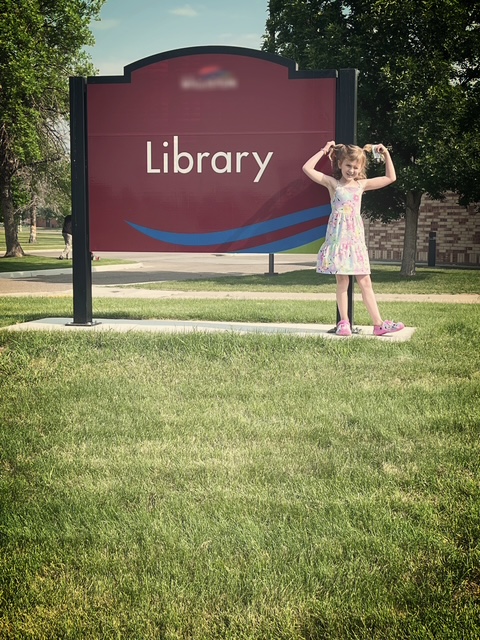
Earlier this week, we kicked off summer with a visit to our local library’s reading program launch—and it was absolutely amazing! Not only did we snag free books and fun challenges, but we also discovered a world of resources that go far beyond story time. Quick Summary Free books, reading challenges & summer programs Face painting, mini golf & creative activities Hidden perks: STEM kits, makerspaces & online learning tools Real-life hacks to build a full curriculum at zero cost FAQ: What homeschoolers can borrow and how to get started What We Loved at the Summer Reading Kickoff Free books and tote bags to start your personal library Reading challenge bingo with weekly prize entries Coupons for ice cream or popsicles—because learning should taste sweet Face painting, outdoor games and mini golf for active fun Even better, the library handed out bingo cards filled with creative summer learning ideas—like learning colors in sign language, writing your own storybook, and even reading a book backward! Each week, kids can enter to win prizes just by completing three activities. And yes, everything was completely free. We like to use this kids’ reading log book to help track their summer reading goals and this tote bag to store their amazing book choices! Surprising Library Perks You Might Not Know About If you haven’t explored your library lately, you might be surprised by what’s available. In addition to books, many libraries offer: Language Learning Platforms like Mango Languages for Spanish, French, and more Streaming Services through OverDrive or Libby for free movies, audiobooks, and eBooks Free & Discounted Passes to museums, national parks, and local attractions via community pass programs Learning Kits & Board Games available for checkout—perfect for hands-on learning Homeschool Support including curated book lists, lesson planning help, and educator resources Online Learning Tools like Brainfuse, Britannica Kids, and even coding platforms Makerspaces & Creative Labs with 3D printers, Cricut machines, and art supplies Interlibrary Loan Services to borrow books from other libraries at no cost Drama & Debate Programs that build confidence and communication skills STEM Kits & Experiment Rentals for hands-on science exploration Homeschool Meetups & Parent Support Groups to connect with other families If you enjoy these kinds of ideas, check out our Homeschool Hack Series for more creative inspiration. Real-Life Library Hacks for Homeschool Curriculum Build lessons around library books, online tools and checkout kits. Request hard-to-find resources via interlibrary loan—many parents don’t know this is free. Turn visits into themed scavenger hunts or research challenges. Enroll in drama or debate to boost public speaking skills. Check out STEM kits—microscopes, robotics sets, experiment guides—for science at home. How Our Library Transformed Our Homeschool We discovered digital tools and science kits at no cost. Homeschool meetups sparked new friendships and support. Our curriculum now blends free resources instead of expensive textbooks. And outside the library? We’ve started curating our home routines to match the same thoughtful, sensory-friendly pace. Grove Collaborative has become our go-to for low-tox cleaning supplies, reusable snack bags, and calming room sprays that don’t overwhelm. Honest Company’s bubble bath help reset our kids after outdoor play—simple swaps that bring peace and consistency to our homeschool rhythm. Why You Should Visit Your Local Library This Week Whether you’re homeschooling, seeking budget-friendly enrichment or simply wanting to spark curiosity, your library is a treasure trove of free resources. Explore what’s on offer—you might be amazed at how much you can borrow without spending a dime. FAQ: Library Resources for Homeschoolers What is a summer reading program?A library event with free books, reading challenges and weekly prize entries to keep kids motivated all season long. What free resources can homeschoolers borrow?Beyond books: language apps, e-kits, STEM packs, makerspace access, museum passes, and online learning platforms. How do I request a book my branch doesn’t have?Ask for an interlibrary loan. Your librarian can borrow it from another library at no cost to you. Can homeschoolers join library programs?Absolutely. Many libraries host homeschool-specific meetups, story times, maker classes and curriculum workshops. Over to You What’s the coolest thing you’ve discovered at your library? Drop a comment below or come say hi on Instagram! And don’t forget to save this post or share it with a fellow homeschool parent who loves a good library hack.
Why Our Kids Pay for Screen Time (and Love It)
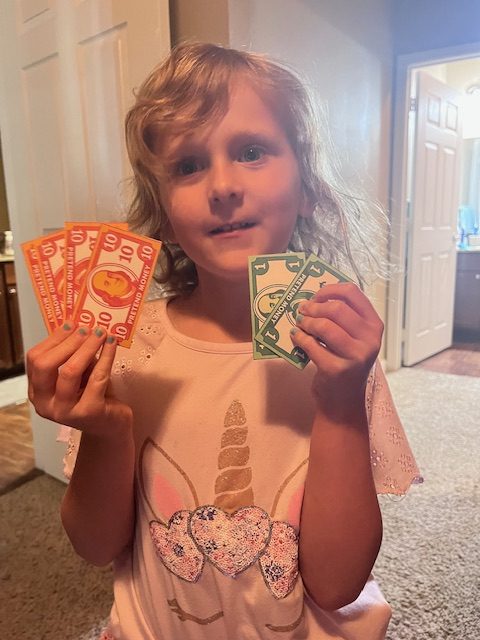
Why Our Kids Pay for Screen Time (and Love It) I didn’t plan to create a pretend economy in our home. In fact, it started out of pure frustration.We were stuck in a cycle of screen time battles, constant reminders, and sticker charts that lost their magic after a week. I was tired of negotiating every episode of TV and repeating myself about chores. Nothing seemed to stick—until I printed out some play money on a whim and called it “Ember Bucks.” That small shift? It changed everything.Somewhere between setting up a “Mom Bank” and assigning prices to video game time, my kids started learning real-life responsibility—and having fun doing it. What began as a desperate experiment has turned into one of the most effective tools in our homeschool and parenting toolbox. It’s not just about earning rewards. It’s about learning choices, consequences, and the value of effort. Quick Summary: What You’ll Learn How a pretend economy solved screen time battles What Ember Bucks are and how they work Real-life skills kids learn through play money Tips for starting your own system at home FAQ for parents curious about using pretend money How Our Pretend Money System Works We keep it simple, flexible, and fun. The goal isn’t perfection—it’s consistency with room to adapt. How They Earn Ember Bucks: Completing schoolwork (especially without whining!) Helping with chores—both assigned and voluntary Reading extra stories (independent or aloud) Random acts of kindness, like helping a sibling or cleaning up without being asked Let me show you how we use pretend money to teach responsibility, encourage kindness, and make everyday tasks feel a little more magical. How They Spend: TV time and video game time (yes, they pay for their screen time!) Special treats or outings “Rent” for toys that mysteriously end up in the living room Occasionally, a small fee to unlock a printable or activity I’ve created just for them How They Lose Money: Fighting or unkind behavior Ignoring instructions or making repeated poor choices Leaving messes after being reminded Rather than focusing on punishment, we emphasize accountability. And surprisingly, it works. Why It Works (Even When Other Systems Didn’t) We’ve tried sticker charts. We’ve tried verbal praise. We’ve even tried the “just do it because I said so” approach. But this system? It sticks. Here’s why: 1. It’s Tangible Kids love handling money—even pretend money. It gives them something to hold, count, and manage. It makes the abstract idea of “responsibility” feel real. 2. It Puts Them in Control They get to make choices. Want to blow your earnings on 30 minutes of Mario Kart? Go for it. Want to save up for a movie night? Even better. They’re learning budgeting without even realizing it. 3. It Reduces Power Struggles Instead of constant reminders or nagging, I can simply say, “That’ll cost you 2 Ember Bucks.” It shifts the tone from confrontation to consequence. If you’re looking for more ways to reduce homeschool friction, check out this post on what building a website taught me about homeschooling. What They’re Really Learning This isn’t just about chores or screen time. It’s about life skills that will follow them far beyond our kitchen table. Delayed gratification – Saving up for something they want Emotional regulation – Choosing not to fight because they don’t want to lose money Work ethic – Understanding that effort leads to reward Financial literacy – Even in its simplest form, they’re learning how money works. And maybe most importantly, they’re learning that kindness and helpfulness matter. We’ve been loving this hands-on emotions flip book– it’s a playful yet powerful way to help kids recognize and manage those big, overwhelming feelings. If you are looking for a fantastic social emotional curriculum to fit into your homeschool schedule, I would highly recommend Training Aliens. It helps kids grow in confidence to face tough social challenges in an out of this world way! Tips for Starting Your Own Pretend Economy Make the money fun—use bright colors or tokens Stay consistent, but flexible Let kids help set prices and rules Celebrate their wins to build momentum FAQ: Pretend Money Systems for Families Is pretend money effective for behavior and learning?Yes! It makes abstract concepts like effort and consequence feel real and fun. What age is best for this system?Kids ages 4–12 respond especially well, but it’s adaptable for older learners too. Do kids really pay for screen time?They do—and they love the control it gives them. It turns screen time into a choice, not a battle. Can this work in homeschool routines?Absolutely. We tie Ember Bucks into reading missions, kindness goals, and even printable activities like our Dino Detective game. Final Thoughts This pretend money system has done more than make chores fun—it’s helped us build a culture of responsibility, kindness, and independence in our home. It’s not perfect (what system is?), but it’s ours. And it’s working. So, if you’re tired of repeating yourself, negotiating screen time, or wondering how to teach your kids about responsibility in a way that actually sticks—maybe it’s time to print some play money and give it a try. You might just find that the lessons they learn will last far longer than the dollars in their pockets. Training Aliens: Our Favorite Social Emotional Curriculum Teach big feelings, friendship skills & emotional regulation through story-based missions! Kids help space camp aliens navigate social challenges like frustration, joining groups & making friends. Perfect for homeschoolers, co-ops & neurodivergent learners—playful, inclusive & easy to adapt. Includes lessons, printables & alien-themed visuals that actually stick! Builds confidence, kindness & coping skills in a totally out-of-this-world way. We pair it with our favorite emotions flip book + kindness trackers for everyday SEL wins! Explore Training Aliens Here! (Available in secular and faith-based versions—great for families, co-ops, or mixed-age groups.)
How Creating a Website Made Me a Better Homeschool Mom
How Creating a Website Made Me a Better Homeschool Mom I never thought building a website would teach me more about homeschooling than any book or curriculum ever could.Over the past few months, I’ve spent countless hours trying to figure out coding, design, and functionality—only to hit roadblocks that sent me spiraling back to square one. The frustration has been real. At times, I’ve considered giving up, paying for a pre-made site, or just accepting that it may never be perfect.But then it hit me—this struggle is exactly what learning feels like for our kids. Quick Summary: What You’ll Learn How website-building struggles mirror the homeschool learning curve Why cognitive overload matters more than defiance Strategies to support kids through frustration and growth Bonus tips for flexible, joyful learning at home The Learning Curve We Forget As adults, we’ve had years of experience learning, failing, and trying again. We know that if we keep pushing forward, we’ll eventually get through it.However, our kids? They’re just starting their journey. They haven’t had decades of trial and error. They haven’t built up the resilience that comes from finally mastering something after struggling for so long.It’s easy to think, “This is simple, they should get it quickly,” or “Just focus harder.” But the truth is, their brains might be on fire from all the new information they’ve absorbed that day. They might still be processing yesterday’s lesson.In other words, what feels like resistance might actually be cognitive overload. Real Learning Happens When You Build It Yourself When I built my site from scratch, I didn’t expect to hit so many roadblocks—but each challenge taught me something new. It’s the same grit and curiosity we try to nurture in our kids.We host our site with NameHero because it gives us the speed and support we need—without the stress. Whether you’re launching a homeschool blog or just want reliable hosting that won’t hold you back, it’s worth checking out. Explore Hosting with NameHero What My Own Learning Struggles Taught Me About Homeschooling Through this experience, I’ve realized something important: taking breaks is not just helpful—it’s essential. When I step away from my website struggles, I come back with fresh insights that I couldn’t see when I was overwhelmed. Similarly, our kids need that same grace. If they’re resisting schoolwork, it might not be defiance—it might be mental exhaustion. Recognizing this can shift how we respond, from frustration to compassion . Q: How can I support my child’s learning process at home? Take More Breaks – Let their brains rest and reset Break Up New Concepts – Use bite-sized lessons Honor Their Experience Level – They’re just starting out Use Play-Based Learning – Curiosity builds persistence Try Multi-Sensory Approaches – Mix visuals, sounds, and hands-on tools Make It Relevant – Tie lessons to real life Foster Independence – Let them make choices and own their growth If you’re looking for more ideas, check out our sensory-friendly strategies for supporting different learning styles here. Bonus Tips: Learning Strategies That Make a Difference In addition to the basics, here are a few bonus strategies that have helped us create a more flexible and joyful learning environment: Encourage Play-Based Learning – Play fosters curiosity, problem-solving, and persistence, helping children develop strong learning habits. Here’s why play matters- see how hands-on play sparks real learning in our homeschool here. Create a Growth Mindset Environment – Praise effort over results to help kids embrace challenges and see mistakes as part of learning. To expand your learning on this topic, check out this journal, great for self-care time! Use Multi-Sensory Approaches – Incorporate visual, auditory, and hands-on activities to reinforce concepts in different ways. Our Zoo Field Guide and Dino Detective Printable are great examples. Make Learning Relevant – Connect lessons to real-world experiences so kids see the value in what they’re learning Foster Independence – Give them opportunities to explore, make choices, and take ownership of their learning. Our pretend money system is a fun way to build responsibility and autonomy. Every child’s learning process is unique—so embracing flexibility and creativity truly makes all the difference. Grace in the Grind Website-building and homeschool breakthroughs both demand patience, perspective, and the occasional tea break.This Rose Black Tea from Art of Tea is my reset ritual when coding chaos meets curriculum curveballs. With soft floral notes and bold Assam leaves, it’s the kind of brew that reminds me to breathe deep, extend grace, and start again.Perfect for quiet brainstorms, post-frustration clarity, or the in-between moments when growth is just beginning to bloom. Final Reflection Building a website reminded me that learning is messy, magical, and deeply personal. When our kids struggle, it’s not failure—it’s the beginning of something real. Hosting That Supports Your Learning Curve We built our site with NameHero—and it’s been a game-changer. Blazing-fast speeds (even with homeschool printables!) Free SSL, daily backups & superhero support Easy setup for blogs, shops & resource hubs Whether you’re launching a homeschool blog or building a resource library, NameHero makes it simple, secure & stress-free. Explore NameHero Hosting Plans
📚 How I Used The Good and the Beautiful Curriculum on a Budget
If you’ve researched homeschool curriculum, you’ve probably seen glowing reviews of The Good and the Beautiful (TGTB). As a frugal homeschooling mom, I was eager to try it—especially since they offer free downloadable language arts and math curriculum for grades K–8. With just a printer and a binder, you can set up a full year of lessons without spending a dime. While you can purchase physical workbooks, I recommend printing a few sample lessons first to see if the style fits your child. That said, “free” doesn’t mean zero cost. TGTB suggests several add-ons, but I found creative ways to use what we already had at home—and made it work beautifully. Quick Summary: What You’ll Learn How to print and organize TGTB curriculum affordably Creative swaps for suggested extras using household items Honest pros and cons of the language arts and math programs Tips for secular families or kids with different learning needs Is The Good and the Beautiful Curriculum Really Free? Yes—TGTB offers free downloadable curriculum for grades K–8 in language arts and math. But printing, organizing, and optional add-ons can add up. I found budget-friendly ways to make it work. How Can I Print TGTB Curriculum Without Overspending? BestValueCopy – Bulk orders, no setup fees Office Depot – Discounts for large jobs Local Print Shops – Great for community support Organization Tips Binders + Sheet Protectors – Cheaper than spiral binding and easy to rearrange DIY Tabs – I labeled subjects, weeks, and completed lessons Dry-Erase Pockets – For reusable practice pages and handwriting drills Digital Savings View lessons on a tablet Skip printing art pages—view online Only print worksheets that need writing What Can I Use Instead of TGTB Add-Ons? DIY stars, flashcards, and visuals LEGOs, beans, and math cubes as manipulatives Reuse magnetic tiles from other programs Whiteboard for visual breakdowns Turn lessons into games for movement-based learning What Did I Love About TGTB Language Arts? 1st Grade Gentle and structured Great for early readers 3rd Grade Strong in reading and spelling Weak in writing—needs a supplement Compared to All About Reading TGTB is more integrated and visually rich AAR may suit struggling readers better What Should Secular Families Know? TGTB is faith-based. While some secular families adapt it, I noticed stronger religious content in upper elementary reading materials. Consider previewing lessons before committing. Is TGTB Math a Good Fit? What Didn’t Work Busy worksheets Heavy reading load What Did Work Game-based learning Beautiful, engaging design If your child prefers streamlined math, consider Math-U-See, Math Mammoth, or Right Start Math. Final Thoughts: Would I Recommend It? Great for: Budget-conscious families Faith-based homeschoolers Parents exploring different learning styles May not work if your child: Struggles with visual clutter Needs strong writing instruction Requires a secular curriculum Grammar Galaxy is a multi-subject language arts program that uses short, engaging stories to teach grammar, vocabulary, spelling, and reading comprehension. Instead of dry drills, your kids become Grammar Guardians—saving the galaxy while building core literacy skills. Why Homeschool Families Love It Covers grammar, vocabulary, and reading comprehension Can be paired with writing or phonics for a complete language arts experience Supports visual, auditory & kinesthetic learners Feels more like a comic book than a workbook Easy alternative to more traditional curricula Explore Grammar Galaxy Here Edit Template
Botanic Gardens and Bookish Butts: A Perfectly Silly Denver Send-Off
Our Denver Botanic Gardens Family Itinerary: A Gentle Final Adventure For the last day of our trip, we followed a relaxed Denver Botanic Gardens family itinerary—perfect for slowing down while still making memories. After a week of high-energy exploring, we were craving something calmer but still kid-friendly and worth remembering. We’d heard great things about the Denver Botanic Gardens, especially for families, so that’s where we began. What followed was a sweet mix of fountains, nature play, insect encounters, and a splash-pad send-off that felt like a perfect close to our Denver adventure. A Stroll Through Cheesman Park There’s a park within walking distance of the gardens, so we arrived early and strolled over to Cheesman Park. On the way, we passed some of the most stunning historic homes I’ve ever seen—massive, elegant, and clearly full of stories. Once inside the park, we had a little trouble locating the playground and were short on time, so we settled in by the large fountains. My kids were perfectly content walking along the fountain edges and running through the open grassy fields while we waited for the gardens to open. Exploring the Botanic Gardens (Eventually) We entered through the main entrance of the Botanic Gardens, only to discover that the children’s area was actually above the parking garage where we had started. So, back across the street we went—up the elevator and into the Mordecai Children’s Garden. The kids’ area was charming and well-designed, especially for younger children. My daughter loved grabbing a scavenger hunt sheet and searching for the listed items. There was a small stream to explore, a sand pit to dig in, and plenty of natural elements to interact with. While my kids enjoyed it for about an hour, it definitely seemed geared toward toddlers and preschoolers—there were lots of little ones under three having the time of their lives. A Lucky Insect Encounter Just as we were about to leave, we stumbled upon a vendor event happening in the main garden area. Total luck! My kids got to make insect crafts, look at bugs under microscopes, and learn about local bees. It was the perfect little educational detour before hunger hit hard. My kids were fascinated by the insect microscopes and hands-on science booths. If your little explorers love learning through experiments, we highly recommend MEL Science. Their monthly kits make STEM feel like play- and they’re perfect for curious minds on the go. Ice Cream Detour: Sweet Izzy (Almost) I had been saving our ice cream outing for the last day as a sweet send-off. I was especially excited to try Sweet Izzy, a fully gluten- and dairy-free ice cream shop just down the road from the gardens. Unfortunately, the area was packed and parking was impossible. After circling the block more times than I care to admit, I finally gave up and pivoted. Stanley Marketplace: A Happy Plan B Plan B turned out to be a win—we headed to Stanley Marketplace in Aurora. Not only was there plenty of parking (hallelujah), but the building itself was full of amazing smells and food options. After a week of fried everything, I was craving something lighter, so we landed at Boychik, a Mediterranean spot with a bright, airy vibe. Most of their menu was naturally gluten-free if you skipped the pita. I ordered the chicken shawarma plate, which came with hummus, quinoa, veggies, and a mix of flavors I couldn’t quite name—but loved. The kids split a plate of chicken and fries, which worked out perfectly. Books, Butts & Dairy-Free Scoops After lunch, we wandered into The Bookies, a charming children’s bookstore tucked inside the marketplace. My daughter was completely captivated by a hilariously titled book called I Need a New Butt! and the cozy reading nook made it hard to leave. We wrapped up our visit with a stop at Sweet Cow, the ice cream shop inside Stanley Marketplace. While their dairy-free options were limited, the mango and chocolate peanut butter flavors were absolutely heavenly. We enjoyed them on the open patio, soaking up the sunshine and reflecting on our week. Splash Pad Finale at Benedict Park Our final stop was Benedict Park, chosen for its proximity to where we were staying—and its splash pad. It was a scorcher of an afternoon, and this park delivered. Beyond that was a skate deck and a splash pad that felt more like a shallow creek with sprinklers—perfect for cooling off. And the cherry on top? An actual bathroom. Always a win. As we packed up wet swimsuits and happy memories from Benedict Park, I found myself marveling at everything we’d packed into this week—zoos, museums, gardens, parks, bookstores, marketplaces… it was a whirlwind of family joy. Honestly? If you’re planning to hit multiple spots like we did, Denver CityPASS makes the math and the logistics so much simpler. Denver with Kids – FAQ Guide for Family Traveler Is Denver a good place for a family vacation? Yes! Denver offers a mix of outdoor adventure, hands-on museums, and kid-friendly dining. Whether your crew loves nature, science, animals, or quirky bookstores, the Mile High City has something for every age. What are the best things to do in Denver with kids? Some top picks include: Denver Zoo – Over 3,000 animals and interactive exhibits Museum of Nature & Science – Dinosaurs, space, and hands-on learning Botanic Gardens – Especially the Mordecai Children’s Garden for nature play Children’s Museum of Denver – Water features, art studios, and outdoor adventure zones Dinosaur Ridge – Real fossil footprints and outdoor trails Butterfly Pavilion – Indoor rainforest with 1,600+ butterflies Is Denver CityPASS worth it for families? Absolutely—especially if you’re planning to visit several attractions. Denver CityPASS lets you bundle 3–5 top spots at a discounted rate, which means more memories and more budgeting ease. Families can mix and match from local favorites like: Downtown Aquarium Museum of Nature & Science Botanic Gardens Children’s Museum of Denver Wings Over the Rockies Denver Art Museum History Colorado